
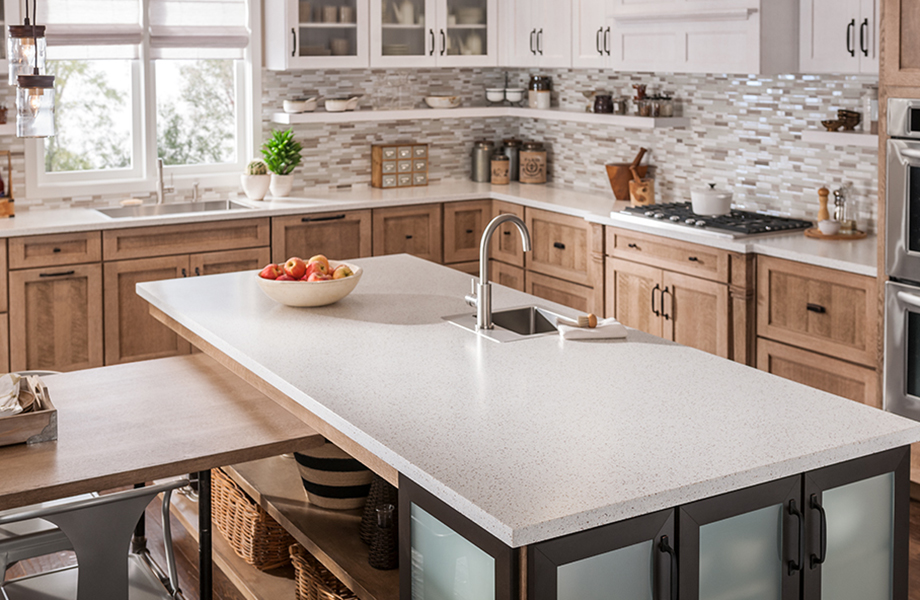
Choosing the right surface material today is about more than just appearance. Architects, interior designers, homeowners, and commercial buyers now look for materials that combine aesthetics, durability, hygiene, and long-term performance. That is why acrylic solid surface solutions have become a preferred choice for modern interiors.
One of the most common questions buyers ask is:
Why does the acrylic solid surface sheet price vary so much?
Two sheets may appear similar visually, but their durability, finish quality, fabrication flexibility, and long-term performance can differ significantly. Understanding what actually affects pricing helps buyers make smarter investment decisions rather than simply choosing the cheapest option.
At Tranquil Global, we work closely with architects, contractors, and designers to provide premium surfacing solutions that balance design flexibility with long-term value. In this guide, we explain the key factors that influence acrylic solid surface pricing and how to choose the right solution for your project.
What is an Acrylic Solid Surface?
An acrylic solid surface is a non-porous engineered material manufactured using acrylic resin, natural minerals, and pigments. It is widely used in:
- Kitchen countertops
- Office workstations
- Reception desks
- Healthcare interiors
- Retail counters
- Hospitality spaces
- Customized furniture applications
One of the biggest advantages of acrylic solid surface sheets is their seamless appearance, smooth finish, repairability, and fabrication flexibility. Unlike traditional materials, they allow curved applications and invisible joints while maintaining a modern and elegant aesthetic.
Their growing popularity in residential and commercial interiors has also increased buyer interest in understanding the real value behind acrylic solid surface sheet pricing.
Why Acrylic Solid Surface Sheet Prices Vary
Not all solid surface sheets are manufactured with the same quality standards. Pricing differences usually reflect material composition, durability, finish consistency, and fabrication performance.
Here are the major factors that influence cost.
Material Quality Defines Long-Term Value
The composition of the material itself is one of the biggest pricing factors.
Premium-grade acrylic surfaces generally contain higher acrylic resin content, which improves:
- Durability
- Heat resistance
- Color stability
- Seamless finishing
- Repairability
Lower-cost alternatives may reduce the initial investment, but they often compromise long-term performance and visual quality.
In high-usage environments such as offices, retail spaces, and kitchens, investing in better-quality surfacing materials usually proves more economical over time.
Thickness Directly Affects Strength
Sheet thickness also impacts pricing and performance.
Common options include:
- 6mm
- 9mm
- 12mm
Thicker sheets generally offer:
- Better structural strength
- Improved edge detailing
- Enhanced durability
- Longer service life
While thicker surfaces increase overall project cost, they also provide stronger performance in demanding commercial and residential applications.
Customization Influences Pricing
One of the biggest reasons designers prefer acrylic solid surface materials is their fabrication flexibility.
They support applications such as:
- Curved counters
- Thermoformed designs
- Seamless workstations
- Integrated sinks
- CNC detailing
- Designer edge profiles
However, advanced customization requires higher-grade material and skilled fabrication expertise, which can increase pricing.
For projects such as luxury reception desks, healthcare counters, and premium retail interiors, customization plays a major role in final project cost.
Colors and Finishes Also Affect Cost
Many buyers overlook the impact of color and finish selection on pricing.
Standard solid shades are generally more affordable than premium finishes such as:
- Marble-inspired patterns
- Stone textures
- Metallic collections
- Designer surfaces
- Translucent finishes
These advanced finishes require specialized pigments and manufacturing processes, increasing production complexity and overall cost.
At Tranquil, we help clients balance design aesthetics with project budgets without compromising material quality.
Cheap Today Can Become Expensive Later
Selecting the lowest-cost surface material may seem economical initially, but low-quality products often create long-term maintenance issues.
Common problems include:
- Surface cracking
- Yellowing over time
- Weak joint finishing
- Poor stain resistance
- Difficult maintenance
Premium-quality solid surfaces generally offer better lifecycle value by reducing repair, replacement, and maintenance concerns.
This is why experienced architects and contractors focus on long-term reliability rather than only upfront pricing.
Quality vs Cost: What Should You Prioritize?
The goal is not simply to find the cheapest material. The real objective is finding the right balance between performance, durability, aesthetics, and budget.
A high-quality acrylic solid surface offers:
- Superior durability
- Seamless appearance
- Easier maintenance
- Better hygiene
- Long-term reliability
- Enhanced fabrication flexibility
For commercial interiors especially, surface quality directly impacts both functionality and visual appeal.
Why Designers Prefer Acrylic Solid Surface Materials
Modern interiors require materials that combine aesthetics with practical performance.
That is why acrylic solid surface solutions are increasingly used in:
- Corporate offices
- Luxury residences
- Hospitals
- Retail environments
- Hospitality interiors
Key advantages include:
- Seamless finish
- Hygienic performance
- Repairable surfaces
- Flexible fabrication
- Contemporary aesthetics
Whether it is a modern kitchen countertop or a customized reception desk, acrylic solid surfaces offer both visual refinement and long-term usability.
Acrylic Solid Surface vs Other Materials
Understanding alternatives helps explain why premium solid surface materials may cost more than conventional options.
| Material | Key Limitation | Acrylic Solid Surface Advantage |
|---|---|---|
| Laminate | Limited durability | Better repairability and lifespan |
| Granite | Visible joints | Seamless appearance |
| Quartz | Limited flexibility | Better customization and thermoforming |
When evaluated over long-term usage, premium acrylic solid surface solutions often provide stronger overall value.
Real-World Applications
Acrylic solid surface materials are commonly used in:
- Office reception counters
- Hospital nursing stations
- Modular kitchens
- Retail billing counters
- Hotel interiors
- Commercial workstations
Their ability to combine hygiene, seamless aesthetics, and design flexibility makes them ideal for modern interior environments.
Why Choose Tranquil?
At Tranquil Global, we understand that selecting the right surfacing material is a long-term investment decision.
We work closely with architects, designers, and contractors to provide:
- Premium-quality surface solutions
- Reliable finish consistency
- Customized fabrication support
- Design-focused applications
- Modern interior aesthetics
Our goal is to deliver acrylic solid surface solutions that combine performance, elegance, and durability for contemporary spaces.
Related Read You Should Explore
Read here: Seamless Joinery: Acrylic Solid Surfaces “Single-Piece” Reception Desks
Frequently Asked Questions
What affects acrylic solid surface sheet pricing the most?
Material quality, sheet thickness, finish type, and customization requirements are the biggest pricing factors.
Is acrylic solid surface better than granite?
Both materials have advantages, but acrylic solid surface offers seamless joints, easier repairability, and better fabrication flexibility.
Which thickness is best for commercial applications?
12mm sheets are commonly preferred for high-traffic commercial environments due to their durability and strength.
Can acrylic solid surface sheets be repaired?
Yes. One of the biggest advantages of acrylic solid surface materials is their repairability and refinishing capability.
Are acrylic solid surfaces suitable for healthcare spaces?
Yes. Their non-porous and hygienic nature makes them ideal for hospitals, clinics, and healthcare interiors.
Final Verdict
If your project demands durability, seamless aesthetics, easy maintenance, and modern design flexibility, investing in a premium acrylic solid surface solution is absolutely worth it.
Instead of focusing only on the lowest acrylic solid surface sheet price, consider the complete long-term value:
- Better durability
- Lower maintenance
- Enhanced aesthetics
- Longer lifespan
- Easier repairs
A thoughtfully selected acrylic solid surface can significantly improve both the functionality and visual appeal of a space.
Looking for Premium Acrylic Solid Surface Solutions?
Tranquil Global offers high-quality acrylic solid surface solutions designed for modern residential and commercial interiors. From elegant countertops to customized reception desks and designer applications, our team helps bring creative interior concepts to life with durable and aesthetically refined surface materials.
Contact Tranquil today to discuss your project requirements and explore premium acrylic solid surface solutions tailored to your design vision and budget.