
Quick Summary
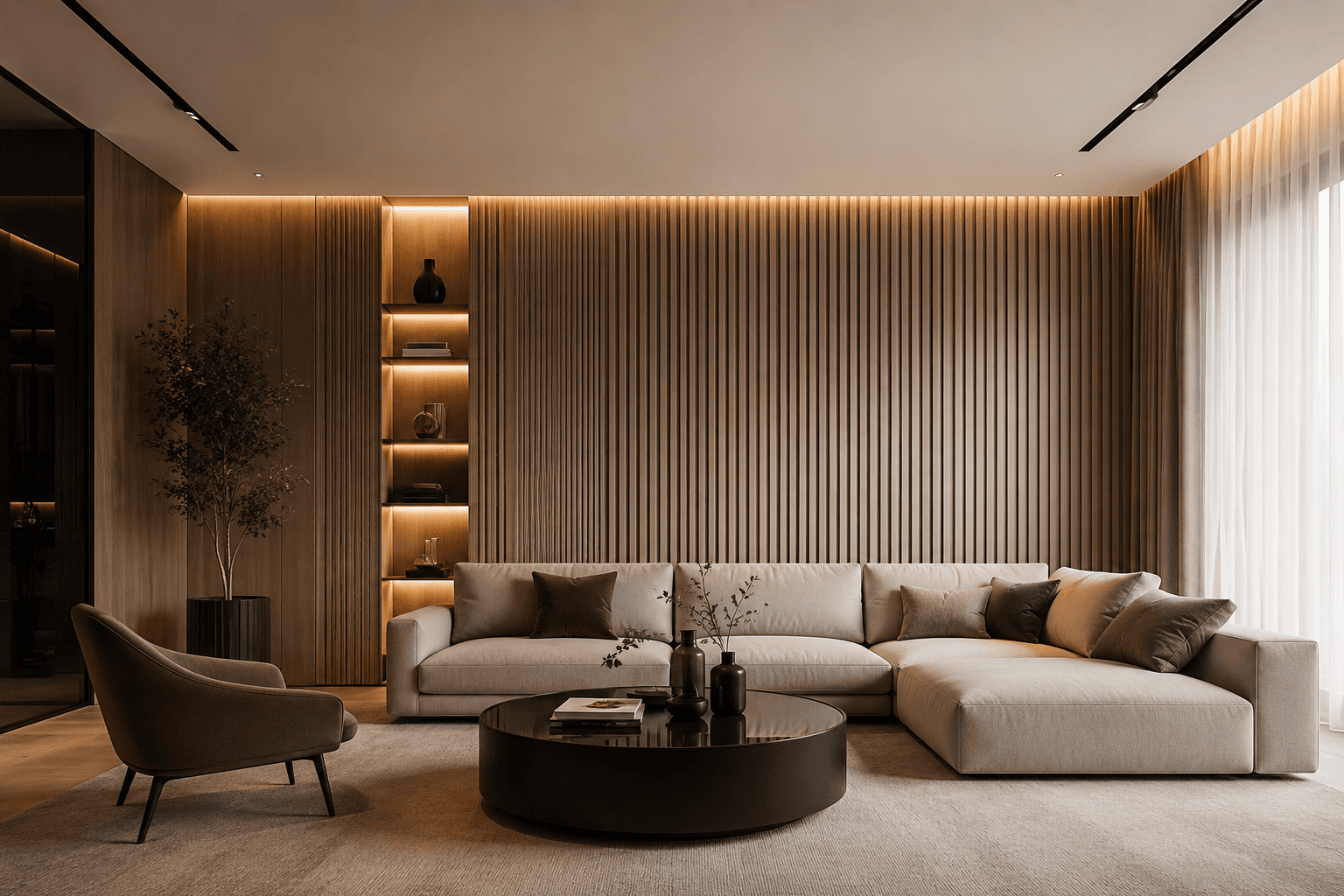
Modern architecture is no longer about choosing between visual appeal and functional performance but achieving both in the same material. Acoustic wood wall panels have emerged as a preferred solution for architects who want to combine natural aesthetics, sound control, durability, and design flexibility. A well-designed wooden acoustic panel can transform an ordinary wall into a warm architectural feature while helping reduce unwanted reverberation and improve acoustic comfort. From corporate offices and hospitality spaces to educational institutions and premium residences, acoustic wooden panels offer a balance of performance and design that fits contemporary architectural requirements.
When Walls Need to Do More Than Look Good
Walls traditionally define spaces, provide enclosure, and contribute to the visual character of an interior. But today’s buildings demand considerably more from their surfaces.
Open-plan offices can become noisy. Restaurants may struggle with excessive reverberation. Meeting rooms require speech clarity and privacy. Educational environments need comfortable sound levels for learning. Hospitality spaces need an atmosphere that feels sophisticated without becoming acoustically uncomfortable.
This is where acoustic wood wall panels create a distinct advantage.
Instead of treating acoustics as a technical element that needs to be hidden, architects can use a wooden acoustic panel as part of the interior expression. The result is a wall treatment that contributes to the design language while also supporting better acoustic performance.
For architects, this combination is particularly valuable because it simplifies the design equation: one surface can contribute to aesthetics, acoustics, materiality, and user experience at the same time.
What Makes Acoustic Wood Wall Panels Different?
At their core, acoustic wooden panels are designed to help manage sound within an interior environment. Depending on their construction, perforation or slat arrangement, backing material, and installation method, they can help absorb reflected sound and reduce excessive reverberation.
But their appeal extends beyond acoustic performance.
Key advantages include:
- Natural visual appeal: Wood introduces warmth, texture, and an organic character.
- Acoustic comfort: Carefully engineered surfaces can help manage sound reflections.
- Design versatility: Panels can be incorporated into feature walls, ceilings, partitions, and other architectural applications.
- Material flexibility: Different finishes, patterns, tones, and configurations can support diverse design concepts.
- Contemporary aesthetics: Slatted and linear compositions complement modern commercial interiors.
- Functional decoration: The wall becomes a performance-oriented design element rather than a purely decorative surface.
This is why a wooden acoustic panel is increasingly considered a design material rather than simply an acoustic accessory.
The Architect’s Advantage: Aesthetic Meets Acoustic Performance
One of the biggest reasons architects specify acoustic wood wall panels is their ability to solve two design requirements simultaneously.
1. They bring warmth into modern interiors
Contemporary interiors often feature glass, concrete, metal, stone, and other hard surfaces. While these materials create a sophisticated visual language, they can also contribute to sound reflections.
Wood introduces a softer, warmer visual layer.
The natural appearance of acoustic wooden panels can make a workspace feel more welcoming, a hospitality environment more refined, and a residential space more comfortable.
2. They support better sound environments
Acoustic design is fundamentally about controlling how sound behaves inside a space. Hard surfaces can reflect sound, while appropriately designed acoustic surfaces can help absorb and manage those reflections.
A wooden acoustic panel can therefore become part of a broader acoustic strategy designed around:
- Sound absorption
- Reverberation control
- Speech intelligibility
- Reduced echo
- Improved acoustic comfort
- Better concentration and communication
The objective isn’t necessarily to make a space completely silent. It is to create a sound environment appropriate for the activity taking place there.
Design Freedom That Works With the Architectural Vision
Architects rarely want acoustic materials to look like an afterthought. They want products that integrate naturally into their design concept.
This is another area where acoustic wood wall panels stand out.
Their linear, slatted, grooved, perforated, or patterned appearance can become an intentional part of the interior composition. Depending on the project, panels can be used as a subtle backdrop or as a strong visual focal point.
They can be used to create:
Feature Walls
Turn a large blank wall into a visually rich architectural surface.
Accent Zones
Define reception areas, collaboration zones, lounges, or meeting spaces.
Continuous Wall Treatments
Create visual continuity across large interior surfaces.
Decorative Acoustic Elements
Blend acoustic functionality with the overall material palette.
Spatial Identity
Use texture and rhythm to reinforce a brand or architectural concept.
This flexibility allows designers to treat acoustic wooden panels as part of the architecture rather than something added after the design has already been completed.
Why Wood Creates a More Human Interior Experience
There is also a psychological dimension to material selection.
Natural-looking materials can influence how people perceive and experience a space. Wood is often associated with warmth, comfort, craftsmanship, and connection to nature.
In environments where people spend significant amounts of time such as offices, hotels, educational facilities, healthcare environments, and homes, these qualities can make a meaningful difference.
A wooden acoustic panel can therefore contribute to both the functional and emotional character of an interior.
Imagine entering a workspace where every surface is glass, metal, or painted drywall. Now imagine introducing a textured wood acoustic wall behind the reception desk or throughout a collaboration area.
The second environment can immediately feel more layered, warm, and intentional.
That is the architectural value of combining acoustic wood wall panels with thoughtful spatial design.
Acoustic Wood Wall Panels for Different Project Types
The versatility of acoustic wooden panels makes them suitable for a wide range of architectural environments.
Corporate Offices
Open offices require careful acoustic planning because conversations, movement, calls, and collaboration can create unwanted background noise.
A wooden acoustic panel can be incorporated into meeting rooms, breakout spaces, reception areas, corridors, and collaborative zones while maintaining a premium visual identity.
Hospitality Spaces
Restaurants, cafés, lounges, hotels, and entertainment areas benefit from controlled reverberation and a comfortable atmosphere.
Here, acoustic wood wall panels can contribute to the visual theme while supporting a more pleasant acoustic environment.
Educational Institutions
Classrooms, libraries, lecture spaces, and collaborative learning environments require good speech intelligibility.
Acoustic wall treatments can help create environments where students and educators can communicate more comfortably.
Residential Interiors
Premium homes, home theatres, dining spaces, living rooms, and study areas can use acoustic wooden panels to introduce both warmth and acoustic refinement.
Commercial and Experience Centres
Showrooms, customer experience centres, studios, and branded environments often require strong visual storytelling.
A wood acoustic surface can support the brand aesthetic while adding a functional acoustic layer.
More Than a Material: A Design Strategy
The strongest architectural applications do not simply place acoustic wood wall panels on a wall because the space needs sound absorption.
Instead, the material becomes part of the original design strategy.
Architects can consider:
- Where sound reflections are most problematic
- Which surfaces should become visual focal points
- How the wood finish complements flooring and furniture
- How panel proportions relate to the architecture
- How lighting interacts with the panel texture
- How acoustic treatment can be integrated without compromising spatial aesthetics
This approach turns acoustic treatment from a technical requirement into a design opportunity.
A well-positioned wooden acoustic panel can frame a reception desk, create a backdrop for a conference room, define a hospitality zone, or visually connect different areas of a project.
The Importance of Selecting the Right Acoustic Wooden Panels
Not every acoustic product is appropriate for every space.
Architects and project teams should consider more than appearance when selecting acoustic wooden panels.
Look at the complete performance picture:
- Acoustic Requirements
Understand the reverberation characteristics and sound-management requirements of the space.
- Panel Construction
Evaluate the composition, perforation or slat configuration, backing, and overall acoustic design.
- Installation Conditions
Consider wall construction, mounting systems, joints, access, and integration with other building elements.
- Aesthetic Compatibility
The finish should complement the project’s furniture, flooring, lighting, ceiling, and material palette.
- Maintenance Requirements
Commercial environments especially require materials that remain practical to maintain over time.
- Project Specifications
For professional projects, product documentation, technical data, fire-performance requirements, sustainability considerations, and installation details may all influence specification decisions.
This is why choosing a wooden acoustic panel should be approached as an architectural specification decision, not simply a decorative purchase.
How Acoustic Wood Wall Panels Elevate Modern Design
The evolution of workplace and commercial architecture has made material performance increasingly important.
Today’s interiors are expected to be:
- Visually distinctive
- Comfortable
- Flexible
- Acoustically considered
- Sustainable where possible
- Easy to maintain
- Aligned with brand identity
- Suitable for changing user needs
Acoustic wood wall panels can contribute to several of these requirements within one integrated surface treatment.
Their biggest strength is not simply that they look like wood. It is that they can combine materiality and performance.
That makes them particularly relevant to architects designing spaces where experience matters as much as appearance.
From Specification to Experience
For architects, a successful material is one that performs as well on drawings and specifications as it does in the finished space.
This is where acoustic wooden panels can create value across the project lifecycle.
During design development, they provide opportunities for material exploration and visual detailing.
During specification, their technical and acoustic characteristics can become part of the project’s performance strategy.
During execution, thoughtful installation can help maintain design continuity.
And after completion, the finished surface continues to contribute to the user’s experience.
In other words, the right wooden acoustic panel can influence the project before construction begins and continue delivering value long after handover.
Why Architects Keep Coming Back to Wood
The growing interest in acoustic wood wall panels is ultimately driven by a simple architectural principle: materials should work harder.
A wall surface should not have to choose between looking beautiful and contributing to performance.
Wood offers a familiar, timeless material language. Acoustic engineering adds functional value. Together, they create a solution that can respond to the increasingly sophisticated expectations of modern interiors.
For architects, that means greater freedom to create spaces that are visually engaging without overlooking acoustic comfort.
For clients, it means investing in a material solution that contributes to both aesthetics and functionality.
For occupants, it means experiencing spaces that can feel warmer, calmer, and more comfortable.
Choosing Acoustic Solutions With Tranquil Global
At Tranquil Global, we understand that architectural materials need to support more than a visual concept. They need to align with design intent, technical expectations, application requirements, and the experience of the people using the space.
Our approach to acoustic solutions focuses on helping architects, designers, consultants, and project teams identify suitable materials for their specific requirements.
Whether the objective is to create a sophisticated feature wall, improve acoustic comfort, introduce natural warmth, or develop a cohesive material palette, acoustic wooden panels can offer a compelling balance of form and function.
The right solution begins with understanding the project, not simply selecting a product.
Related Read
PET Acoustic Panels vs. Wood Wool Panels: Which One You Should Pick?
Explore the key differences between PET acoustic panels and wood wool panels to understand which acoustic material may be better suited to your project’s design, performance, and application requirements.
Final Thoughts
Design for the Eyes. Engineer for the Experience.
Architecture is increasingly moving toward spaces where aesthetics, functionality, wellness, and performance work together.
That is precisely why acoustic wood wall panels have become such an attractive choice for architects. They provide the visual warmth of wood while supporting a considered approach to acoustic design. Whether used in offices, hospitality spaces, educational environments, commercial interiors, or residences, they can turn ordinary surfaces into purposeful architectural elements.
The best interiors do not hide functional materials as they integrate them beautifully.
And when a wooden acoustic panel can contribute to visual identity, acoustic comfort, material richness, and spatial experience at the same time, it becomes much more than a wall treatment.
It becomes part of the architecture.
Looking to bring acoustic performance and natural design together in your next project? Connect with Tranquil Global to explore the right acoustic solution for your application.
Frequently Asked Questions
- What are acoustic wood wall panels used for?
Acoustic wood wall panels are used to help manage sound reflections and reverberation while adding a decorative wood finish to interior spaces. They are commonly considered for offices, hospitality environments, educational facilities, commercial spaces, and residences.
- Are wooden acoustic panels suitable for offices?
Yes. A wooden acoustic panel can be incorporated into meeting rooms, collaboration areas, reception spaces, breakout zones, and other office environments where acoustic comfort and visual appeal are important.
- Do acoustic wooden panels improve sound quality?
Properly selected and installed acoustic wooden panels can help absorb reflected sound and reduce excessive reverberation. Their effectiveness depends on factors such as panel construction, backing material, coverage, placement, and the acoustic characteristics of the room.
- Can acoustic wood panels be used as feature walls?
Absolutely. Acoustic wood wall panels are particularly suitable for feature walls because their texture, lines, patterns, and natural finish can become an intentional part of the interior design while contributing to acoustic treatment.
- How should architects choose the right wooden acoustic panel?
Architects should evaluate acoustic performance, panel construction, dimensions, finish, installation method, maintenance requirements, project specifications, and compatibility with the overall interior design before selecting a wooden acoustic panel.