
Quick Summary
Noise can quietly become one of the biggest challenges in modern interiors, affecting concentration, communication, comfort, and productivity. Fiberglass sound absorbing panels offer an effective way to manage unwanted sound by absorbing excessive noise and reducing reverberation. Their lightweight construction, acoustic performance, design flexibility, and suitability for commercial and architectural applications make them a trusted acoustic treatment solution. From offices and conference rooms to auditoriums, studios, and educational spaces, fiberglass acoustic materials can help create quieter, more comfortable environments.
When Noise Becomes More Than Just a Distraction
Imagine walking into a beautifully designed office. The furniture is contemporary, the lighting is carefully planned, and every visual element feels intentional. Yet conversations overlap, phone calls become difficult to hear, and the constant background noise leaves people mentally exhausted.
The problem may not be the design itself. It could be the room’s acoustic environment.
Hard surfaces such as glass, concrete, stone, metal, and polished finishes can reflect sound waves instead of absorbing them. As sound continues bouncing between surfaces, reverberation increases, making spaces feel louder and less comfortable.
This is where fiberglass sound absorbing panels become valuable.
Rather than simply trying to block sound from entering or leaving a room, acoustic panels focus on controlling sound within the space. They absorb unwanted sound energy, reduce reflections, and help create a more balanced acoustic environment.
For architects, interior designers, project managers, and facility professionals, this distinction is important. Effective noise control isn’t always about making a material heavier or thicker. Sometimes, it is about selecting the right material to manage sound intelligently.
What Makes Fiberglass Sound Absorbing Panels So Effective?
The acoustic performance of a material depends significantly on how it interacts with sound waves.
Fiberglass is made from fine glass fibres arranged to create a porous structure. When sound waves enter this structure, friction and air movement within the material convert a portion of the sound energy into small amounts of heat.
In simple terms, instead of allowing sound to repeatedly bounce around the room, fiberglass sound absorbing panels help capture and dissipate sound energy.
This makes them particularly useful for spaces where the primary challenge is:
- Excessive reverberation
- Echo
- Speech clarity
- Background noise
- Sound reflections
- Acoustic discomfort
- Poor communication
The result is a room where people can hear more clearly and experience less auditory fatigue.
Fiberglass Sound Insulation vs. Sound Absorption: What’s the Difference?
One of the most common misconceptions in acoustic design is treating sound absorption and sound insulation as the same thing.
They are related, but they solve different problems.
Fiberglass sound insulation generally refers to the use of fiberglass-based materials as part of a construction assembly designed to reduce sound transmission between spaces. The objective is to limit sound travelling from one room or area to another.
Sound absorption, on the other hand, focuses on what happens inside the room.
For example, consider a conference room with glass partitions, a hard ceiling, and exposed flooring. Conversations may reflect across these surfaces, creating an echo. Installing fiberglass sound absorbing panels on appropriate walls or ceilings can reduce these reflections and improve speech intelligibility.
Therefore:
Sound absorption = controlling sound reflections inside a space.
Sound insulation = reducing sound transmission between spaces.
An effective acoustic strategy may require one or both approaches depending on the project’s requirements.
7 Reasons Fiberglass Acoustic Panels Are a Trusted Choice
1. Excellent Sound Absorption
The biggest advantage of fibreglass acoustic panel solutions is their ability to absorb unwanted sound.
Their porous fibre structure provides pathways for sound energy to enter the material. This helps reduce reflected sound and reverberation, particularly across frequencies targeted by the panel’s construction.
For spaces where communication is critical, better sound absorption can make a noticeable difference.
Think about:
- Meeting rooms
- Boardrooms
- Call centres
- Classrooms
- Training rooms
- Auditoriums
- Recording spaces
- Restaurants
- Collaborative workspaces
In each of these environments, acoustic control can influence how comfortable and functional the space feels.
2. Better Speech Clarity
A visually attractive space isn’t necessarily an acoustically comfortable space.
When excessive sound reflections overlap with spoken words, listeners may struggle to distinguish one voice from another. This is particularly challenging in large rooms and collaborative environments.
Strategically positioned fiberglass sound absorbing panels can reduce reverberation and unwanted reflections, helping conversations sound clearer.
For workplaces, this can support:
- More productive meetings
- Better presentations
- Easier collaboration
- Improved concentration
- Reduced communication difficulties
In educational environments, acoustic clarity can be equally important because students need to understand spoken instructions without excessive background interference.
3. Lightweight and Flexible
One reason architects and designers consider fibreglass acoustic panel solutions is their combination of acoustic performance and design flexibility.
Compared with some conventional construction materials, fiberglass acoustic products can be lightweight and easier to integrate into different interior applications.
Depending on the product specification and installation method, they can be used as:
- Wall-mounted acoustic panels
- Ceiling-mounted elements
- Suspended acoustic solutions
- Decorative acoustic features
- Acoustic clouds
- Baffles
- Custom-shaped installations
This flexibility allows acoustic treatment to become part of the design language rather than an afterthought.
4. Design Doesn’t Have to Be Sacrificed for Acoustics
Acoustic treatment was once associated with purely functional-looking materials. Modern interiors have changed that perception.
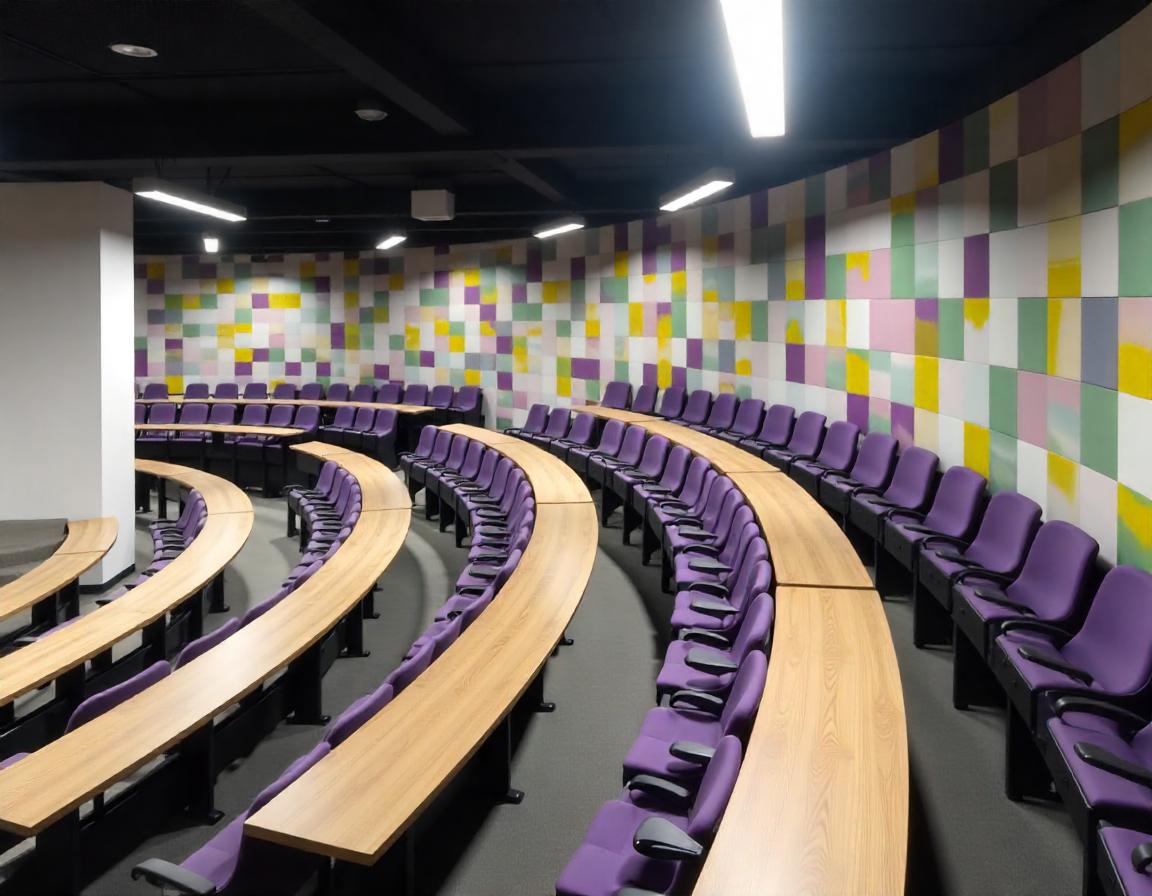
Today’s fiberglass sound absorbing panels can be incorporated into visually distinctive environments through different shapes, finishes, colours, patterns, thicknesses, and configurations.
For designers, this opens up opportunities to create acoustic features that complement the overall interior.
A panel can become:
- A subtle wall element
- A statement ceiling feature
- A branded installation
- A geometric composition
- A visual zoning element
- An architectural focal point
This makes acoustic design part of the overall spatial experience.
5. Suitable for Different Commercial Environments
There is no single type of room where acoustic treatment is useful.
The need for noise control appears across industries and building types.
Corporate Offices
Manage conversations, calls, and equipment noise while reducing reverberation for a more focused workplace.
Educational Spaces
Reduce sound reflections and improve speech clarity for better learning and listening conditions.
Hospitality
Control noise in restaurants, cafés, and lounges to create a more comfortable and conversation-friendly ambience.
Healthcare
Support quieter, calmer spaces with better acoustic control for communication, comfort, and privacy.
Auditoriums and Multipurpose Spaces
Minimise reverberation and improve sound clarity for more controlled acoustic performance in large spaces.
6. Helps Control Reverberation and Echo
A room with too many reflective surfaces can produce a noticeable echo.
When sound hits a hard surface, it reflects. When multiple reflections occur in quick succession, the original sound can become difficult to distinguish.
This is where acoustic absorption becomes critical.
A properly selected fibreglass acoustic panel helps reduce the amount of sound energy reflected back into the room. When panels are strategically distributed across walls and ceilings, they can contribute to lower reverberation and improved acoustic balance.
However, effective acoustic treatment is not simply about covering every available surface.
The quantity, location, thickness, mounting method, and acoustic characteristics of the material should be considered according to the room and its intended use.
7. Supports Smarter Acoustic Design
Modern acoustic design is moving away from one-size-fits-all solutions.
A successful acoustic strategy begins by identifying the actual problem.
Is the space suffering from:
- Echo?
- Reverberation?
- Speech intelligibility issues?
- External noise?
- Noise transfer?
- Equipment noise?
- Excessive activity noise?
The answer determines whether the project requires absorption, insulation, sound masking, isolation, or a combination of approaches.
This is why fiberglass sound insulation and absorption solutions should be evaluated as part of a broader acoustic strategy rather than selected simply because they are popular.
Fiberglass Sound Absorbing Panels vs. Conventional Acoustic Approaches
Every acoustic project has different requirements. The right solution depends on the application’s performance expectations, aesthetics, installation conditions, and budget.
Compared with basic decorative treatments, fiberglass sound absorbing panels are specifically engineered to address acoustic performance.
Their advantages can include:
| Feature | Fiberglass Acoustic Solutions |
| Sound absorption | High acoustic absorption potential |
| Design flexibility | Multiple shapes, finishes and configurations |
| Application | Walls, ceilings and suspended systems |
| Weight | Lightweight construction options |
| Customisation | Suitable for architectural design integration |
| Installation | Can be designed for various mounting approaches |
| Commercial use | Suitable for offices, education, hospitality and more |
The key takeaway is simple: acoustic performance and aesthetics do not have to compete.
How to Select the Right Fibreglass Acoustic Panel
Choosing an acoustic panel should involve more than selecting a visually appealing finish.
Before specifying a fibreglass acoustic panel, consider the following factors:
1. Understand the Room
Measure or evaluate the room’s size, volume, surfaces, occupancy, and purpose.
2. Identify the Noise Problem
Determine whether the primary concern is reverberation, echo, speech clarity, or sound transmission.
3. Evaluate Acoustic Performance
Review relevant acoustic performance data and test certifications provided for the product.
4. Consider Placement
Panels positioned on walls, ceilings, or suspended systems can have different acoustic impacts depending on the room.
5. Match the Design
Select shapes, finishes, colours, and configurations that complement the architectural concept.
6. Think About Installation and Maintenance
Consider accessibility, mounting requirements, cleaning, durability, and long-term performance.
A well-planned acoustic solution is one that works technically and integrates naturally into the space.
Why Fiberglass Acoustic Solutions Fit Modern Architecture
Modern architecture increasingly combines glass, exposed ceilings, concrete, metal, stone, and other reflective finishes.
These materials create visually striking environments, but they can also create acoustic challenges.
That is why fiberglass sound absorbing panels have become relevant to contemporary interior design.
They allow designers to introduce acoustic absorption without completely changing the architectural character of the space.
Instead of asking:
“How can we hide the acoustic treatment?”
Modern design can ask:
“How can acoustic treatment become part of the architecture?”
This shift creates opportunities for acoustic materials to become design elements themselves.
The Smarter Way to Approach Noise Control
There is no universal acoustic solution for every building.
The best results come from understanding the room, identifying the noise challenge, selecting the right material, and positioning it strategically.
Whether the requirement involves fiberglass sound insulation, wall absorption, ceiling treatment, acoustic baffles, or a combination of solutions, product selection should always be guided by the project’s acoustic objectives.
For architects, interior designers, project consultants, and contractors, this means treating acoustics as an integral part of the design process, not something to solve after the interiors are complete.
Related Read
Acoustic Treatment Materials Explained: Here’s the Complete Buyer’s Guide
Not sure which acoustic material is right for your project? Explore this buyer’s guide to understand different acoustic treatment materials, their applications, performance considerations, and how to make a more informed specification decision.
Frequently Asked Questions
- What are fiberglass sound absorbing panels used for?
Fiberglass sound absorbing panels help reduce echo, reverberation, and unwanted sound reflections in interior spaces.
- Are fiberglass acoustic panels suitable for offices?
Yes. They can help improve speech clarity and reduce noise in offices, meeting rooms, and collaborative workspaces.
- What is the difference between fiberglass sound insulation and sound absorption?
Fiberglass sound insulation helps reduce sound transmission, while sound absorption controls reflections and reverberation within a room.
- Where can a fibreglass acoustic panel be installed?
A fibreglass acoustic panel can be used on walls, ceilings, suspended systems, and other acoustic installations, depending on the application.
- Do fiberglass acoustic panels affect interior aesthetics?
No. They are available in various shapes, finishes, colours, and configurations to complement modern interior designs.
Final Takeaway
Noise control is no longer simply about making a room quieter. It is about creating spaces where people can communicate clearly, concentrate comfortably, collaborate effectively, and experience less acoustic fatigue.
With their sound absorption capabilities, design flexibility, lightweight construction, and broad application potential, fiberglass sound absorbing panels offer a practical approach to managing acoustic challenges in modern interiors.
When supported by the right design strategy, fiberglass sound insulation and absorption solutions can turn acoustically challenging spaces into environments that are both functional and comfortable.
Talk to Tranquil Global today and explore the right acoustic solution for your next project.