
Quick Summary
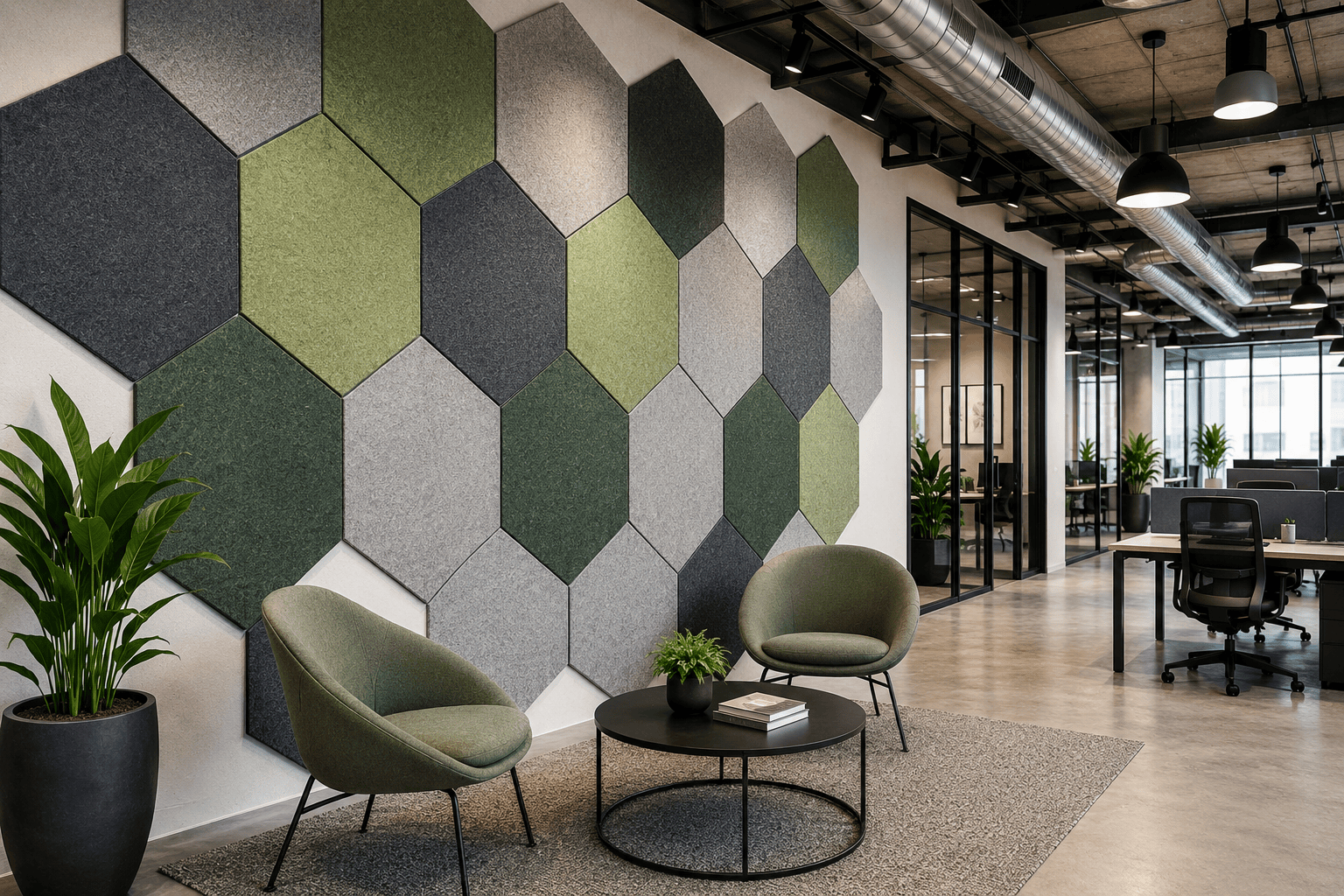
Modern workplaces are no longer designed only for aesthetics as they are built for productivity, collaboration, and employee well-being. A thoughtfully designed sound panel wall helps reduce unwanted noise while enhancing the overall look of commercial interiors. From elegant perforated acoustic panels to sustainable acoustic materials for walls and advanced soundproofing sheets for walls, today’s acoustic solutions seamlessly combine performance with design. In this blog, discover the latest trends transforming office interiors and learn how Tranquil helps businesses create quieter, smarter, and more inspiring workspaces.
The way offices are designed has evolved significantly over the last decade. Hybrid work models, collaborative spaces, open office layouts, wellness-focused environments, and sustainability have become key priorities for businesses worldwide.
However, with open spaces comes one major challenge: noise.
Conversations, phone calls, office equipment, meeting rooms, cafeterias, and collaborative zones often create excessive sound reflections that reduce concentration and employee productivity. Research consistently shows that uncontrolled noise affects focus, communication, stress levels, and workplace satisfaction.
This is where a professionally designed sound panel wall becomes an essential element rather than just an architectural feature.
Today’s acoustic wall systems not only absorb unwanted sound but also elevate interior aesthetics. Whether it’s stylish perforated acoustic panels, sustainable acoustic materials for walls, or high-performance soundproofing sheets for walls, businesses now have numerous options to create visually appealing and acoustically balanced environments.
At Tranquil, we believe modern acoustics should never compromise design: they should enhance it.
Why Acoustic Wall Design has Become a Workplace Priority?
Employees spend nearly one-third of their day inside office spaces. Poor acoustics directly impact concentration, meeting efficiency, employee comfort, and even client impressions.
An effective sound panel wall helps by:
- Reducing echo and reverberation
- Improving speech clarity
- Increasing employee productivity
- Enhancing meeting room privacy
- Creating visually sophisticated interiors
- Supporting employee wellness
As organizations continue investing in employee experience, acoustic wall solutions have become an integral part of workplace planning.
Top Sound Panel Wall Design Trends in Modern Offices
1. Natural Wooden Sound Panel Wall Designs
Wood continues to dominate workplace interiors because it introduces warmth and elegance.
Modern sound panel wall systems now combine natural wooden finishes with acoustic engineering, offering exceptional sound absorption without sacrificing aesthetics.
Wooden acoustic walls are widely used in:
- Boardrooms
- Executive cabins
- Reception areas
- Innovation centers
- Co-working spaces
Many of these solutions integrate premium perforated acoustic panels, allowing sound waves to pass through micro-perforations and be absorbed by insulation layers hidden behind them.
The result is a sophisticated wall system that looks luxurious while significantly improving room acoustics.
2. Decorative Perforated Acoustic Panels Becoming Statement Features
Minimalist offices are giving way to experiential interiors.
Instead of hiding acoustic solutions, designers now use perforated acoustic panels as decorative architectural elements.
Available in numerous:
- Patterns
- Hole sizes
- Wood veneers
- Metal finishes
- Custom graphics
- CNC-cut designs
These panels become focal points while delivering superior acoustic performance.
A well-designed sound panel wall using decorative perforated surfaces can completely transform meeting rooms, auditoriums, training spaces, and executive lounges.
3. Sustainable Acoustic Materials for Walls
Sustainability has become a defining factor in commercial interior design.
Architects increasingly prefer eco-friendly acoustic materials for walls made using recycled or renewable resources.
Popular sustainable acoustic solutions include:
- PET acoustic panels
- Wood wool panels
- Recycled polyester fiber
- Fabric-wrapped panels
- Fiberglass acoustic systems
- Mineral fiber insulation
These environmentally responsible acoustic materials for walls offer excellent sound absorption while supporting green building certifications and ESG initiatives.
Many organizations also choose these materials because they improve indoor environmental quality without compromising design flexibility.
4. Multi-Functional Sound Panel Wall Systems
Modern offices demand flexibility.
Instead of serving only one purpose, today’s sound panel wall systems perform multiple functions simultaneously.
Examples include:
- Acoustic + Branding walls
- Acoustic + Writable surfaces
- Acoustic + Lighting integration
- Acoustic + Digital display walls
- Acoustic + Decorative partitions
This multifunctional approach helps maximize space utilization while maintaining acoustic comfort throughout the workplace.
5. Fabric-Wrapped Acoustic Feature Walls
Fabric acoustic panels continue gaining popularity because they offer exceptional customization.
Organizations now design complete sound panel wall installations featuring:
- Corporate colors
- Company branding
- Printed graphics
- Textured fabrics
- Soft finishes
Behind these fabric systems lie premium acoustic materials for walls that absorb mid and high-frequency sounds effectively.
The result is an office environment that feels both visually inviting and acoustically balanced.
6. Seamless Integration of Soundproofing Sheets for Walls
Modern offices increasingly combine absorption with sound isolation.
While acoustic panels reduce echo inside a room, soundproofing sheets for walls help minimize sound transmission between adjacent spaces.
These advanced sheets are commonly installed inside wall assemblies before decorative finishes are applied.
Applications include:
- Meeting rooms
- Conference halls
- Director cabins
- HR offices
- Healthcare facilities
- Educational institutions
Using soundproofing sheets for walls alongside acoustic wall panels creates a comprehensive acoustic strategy that addresses both internal reflections and external noise intrusion.
7. Biophilic Acoustic Wall Designs
Nature-inspired interiors continue shaping workplace design trends.
Biophilic acoustic systems combine plants, wooden finishes, natural textures, and sustainable acoustic materials for walls into one integrated solution.
These installations improve:
- Employee wellness
- Visual comfort
- Stress reduction
- Acoustic performance
When combined with modern sound panel wall designs, biophilic concepts create healthier and more engaging work environments.
8. Custom Modular Acoustic Wall Panels
Flexibility is becoming increasingly important in evolving office spaces.
Modular sound panel wall systems allow organizations to:
- Replace damaged sections
- Upgrade finishes
- Expand acoustic coverage
- Reconfigure layouts
This modular approach reduces maintenance costs while providing greater design flexibility for future workplace changes.
How to Choose the Right Acoustic Materials for Walls
Not every workspace has identical acoustic requirements.
Selecting appropriate acoustic materials for walls depends on several factors:
-
Room Purpose
Meeting rooms require speech clarity.
Training centers require reduced reverberation.
Reception areas prioritize aesthetics alongside noise control.
-
Noise Sources
Understanding whether noise originates internally or externally helps determine if additional soundproofing sheets for walls are required.
-
Interior Design Goals
The chosen sound panel wall should complement the overall design language rather than appear as an afterthought.
Today’s premium perforated acoustic panels are available in numerous finishes, making it easier to blend acoustics with architectural design.
Why Do Businesses Prefer Perforated Acoustic Panels?
There is a growing preference for perforated acoustic panels because they provide the ideal balance between appearance and performance.
Key advantages include:
- Elegant architectural finishes
- Excellent sound absorption
- Durability
- Fire-rated options
- Easy maintenance
- Design customization
- Suitable for large commercial spaces
When installed correctly, these panels significantly enhance workplace comfort without altering the intended interior aesthetics.
Why Tranquil is a Trusted Partner for Acoustic Solutions?
Choosing the right acoustic partner is just as important as selecting the right materials.
At Tranquil, we combine engineering expertise with architectural design to deliver customized acoustic environments that improve productivity, aesthetics, and occupant well-being.
From premium sound panel wall installations to high-performance perforated acoustic panels, sustainable acoustic materials for walls, and reliable soundproofing sheets for walls, our solutions are tailored to meet the functional and visual requirements of every project.
Why Trust Us?
- Extensive experience in commercial acoustic solutions
- Customized recommendations based on project requirements
- High-quality materials with proven acoustic performance
- Sustainable product portfolio
- Design-focused approach for architects and interior designers
- End-to-end support from consultation to execution
Our goal is to create quieter spaces where people can communicate, collaborate, and perform at their best.
Related Blog You Should Read
Recommended Reading: Why Acoustic Boards for Walls are the Secret Ingredient for Productive Workspaces
Frequently Asked Questions (FAQs)
1. What is a sound panel wall?
A sound panel wall is an acoustic wall system designed to absorb sound reflections, reduce echo, and improve speech clarity while enhancing interior aesthetics.
2. Are perforated acoustic panels suitable for offices?
Yes. Perforated acoustic panels are widely used in offices because they offer excellent sound absorption, attractive finishes, durability, and design flexibility.
3. What are the best acoustic materials for walls?
The most effective acoustic materials for walls include PET panels, fiberglass panels, wood wool, fabric-wrapped panels, mineral fiber systems, and perforated wooden panels, depending on the project requirements.
4. Do soundproofing sheets for walls completely block noise?
Soundproofing sheets for walls significantly reduce sound transmission between spaces. For optimal results, they are often combined with acoustic panels to address both sound isolation and sound absorption.
5. Why should businesses invest in acoustic wall solutions?
Acoustic wall solutions improve employee productivity, enhance speech clarity, reduce distractions, create more comfortable workplaces, and contribute to better overall workplace experiences.
Conclusion
The future of workplace design extends beyond visual appeal. Organizations increasingly recognize that acoustics play a vital role in employee productivity, collaboration, wellness, and client experience.
From sophisticated sound panel wall installations and stylish perforated acoustic panels to sustainable acoustic materials for walls and advanced soundproofing sheets for walls, today’s solutions empower businesses to create spaces that are both functional and inspiring.
At Tranquil, we partner with architects, interior designers, and organizations to deliver acoustic solutions that combine performance, innovation, and exceptional design.
Ready to transform your workspace with premium acoustic solutions? Connect with Tranquil today and discover how the right acoustic strategy can redefine the way your workplace looks, sounds, and performs.