
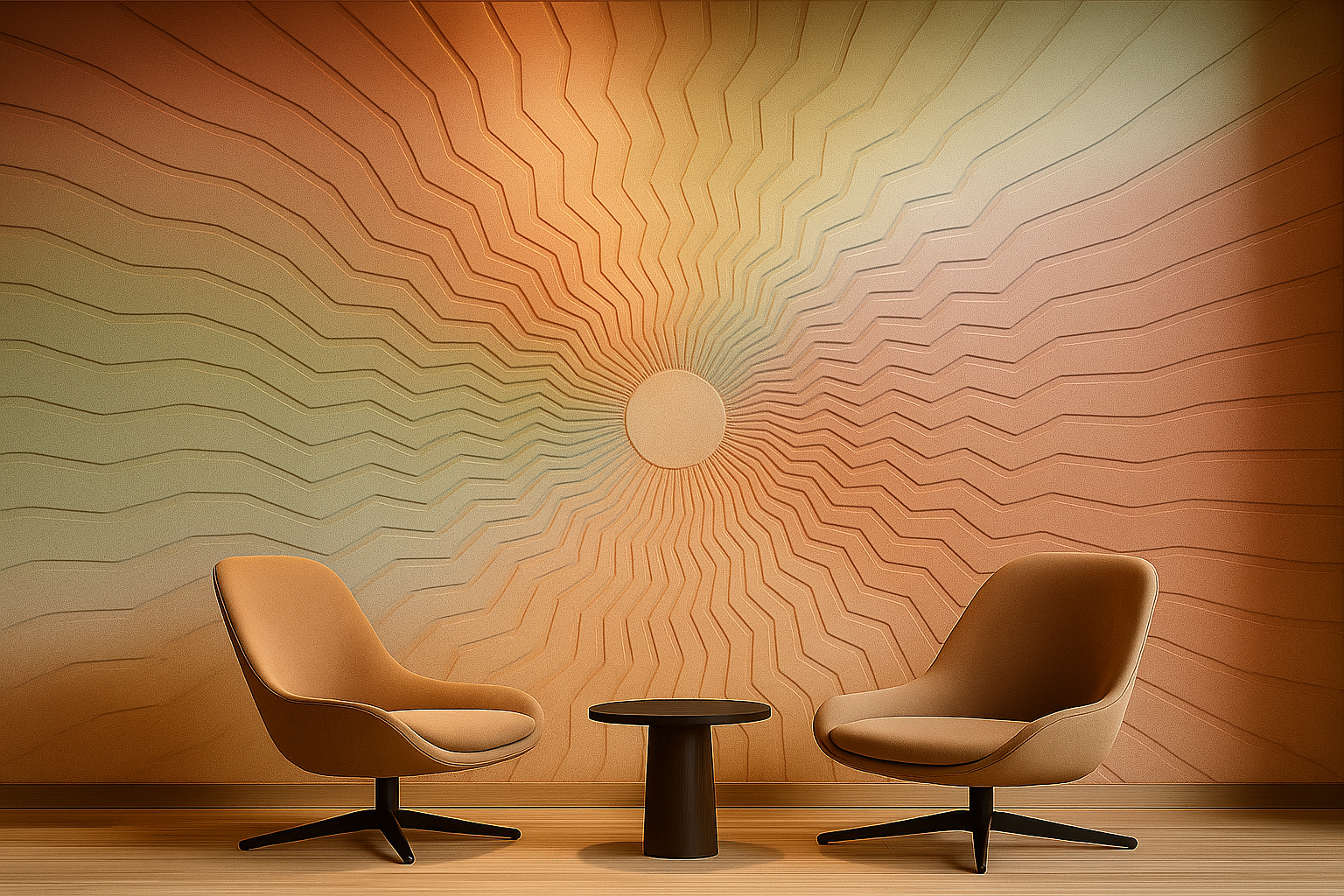
Today, design trends usually evolve quietly. But every once in a while, a material emerges that everybody suddenly begins discussing: architects, interior designers, builders, workspace planners, and even homeowners planning their renovations. Over the last year, one such product has taken over conversations, mood boards, Pinterest saves, LinkedIn discussions, and even site meetings: acoustic material for walls.
What sparked the sudden obsession? Is it aesthetics… performance… sustainability… or simply the need for a calmer world?
And, the truth is that it’s a combination of all these and more. And the story of how acoustic wall panels transformed from a niche technical product into a mainstream design essential is more fascinating than you might think.
Silence became a New Kind of Comfort and the World Took Notice
A decade ago, silence was taken for granted. But today, the world is louder, open offices, concrete-heavy architecture, traffic noise creeping indoors, and the explosion of digital meetings have made sound control a necessity, not a luxury.
And this shift has pushed creators and builders to look beyond conventional solutions viz. acoustic material for walls. They are specifically engineered to absorb echo, reduce noise transfer, and enhance sound clarity. They became the perfect response to modern problems: overstimulation, low privacy, and sound fatigue.
This was a cultural shift as acoustic solutions became synonymous with wellness.
How did they become the New Design Sensation?
Several powerful trends converged simultaneously, pushing acoustic solutions to the forefront of design conversations.
1. Hybrid Work Transformed Everyday Spaces
Work moved from boardrooms to bedrooms, from conference halls to kitchen corners. Homes had to transform into productive work zones, while offices needed warmth and comfort to lure teams back.
This created massive demand for:
- Echo-free meeting corners
- Privacy-enhancing partitions
- Aesthetic feature walls that double as acoustic absorbers
- Sound-balanced collaborative zones
Acoustic boards for walls became the easiest, most effective solution to all of these needs.
2. Acoustic Board Panels Evolved from “Functional” to “Beautiful”
The biggest leap happened when brands began reimagining acoustics as design elements, not mere technical necessities.
Modern acoustic board panels now feature:
- 3D geometric textures
- Grooved and slatted wooden tones
- Soft, fabric-wrapped elegance
- Artistic printed surfaces
- Minimalist contemporary styles
- Sculpted or carved patterns
These panels transform walls into interactive visual statements. For designers searching for material that blends beauty with utility, acoustics became irresistible.
3. Sustainability Became a Non-Negotiable Priority
Today’s clients demand responsible materials. And new-age acoustic material for walls delivers exactly that.
Many panels are crafted using:
- Recycled PET
- Sustainable timber
- Low-emission adhesives
- Lightweight, low-carbon composites
This made acoustics a perfect choice for eco-conscious projects, green-certified buildings, and conscious consumers.
4. Sound Wellness Started Shaping Design Decisions
The wellness movement expanded beyond fitness and lifestyle because it considered architecture.
Good acoustics are now linked to:
- Lower stress
- Improved mental clarity
- Higher focus and productivity
- Enhanced communication
- Better emotional experience
Whether in a learning environment, a workspace, a restaurant, or a home, sound influences mood. And when people realized they could actually design for wellness, acoustic wall panels became a natural go-to.
Why Acoustic Material for Walls Works So Brilliantly?
Every room is a playground for sound. Hard surfaces like concrete, glass, tiles, or metal don’t absorb sound because they bounce it around, causing echo and reverberation. Acoustic material for walls does the opposite.
It works by:
- Absorbing excessive sound waves
- Diffusing harsh reflections
- Reducing noise transfer
- Balancing frequencies for clarity
This dramatically improves acoustic comfort whether it’s a meeting room needing crisp dialogue, a café craving warm ambience, or a home studio requiring precision.
Most Popular Types of Acoustic Boards for Walls
To truly understand the hype, explore the materials shaping the trend.
1. PET Acoustic Panels
Made from recycled polyester fibers, PET panels are lightweight, sustainable, and available in vibrant colors and textures. They’re ideal for modern workspaces, home offices, classrooms, and studios.
2. Wooden Acoustic Panels
Featuring grooves, slats, or perforations, these panels blend natural warmth with premium acoustic performance. Perfect for lounges, boardrooms, hospitality interiors, and high-end residences.
3. Fabric Acoustic Material for Walls
These add softness and luxury to a space while offering excellent sound absorption.
Often chosen for auditoriums, theaters, recording rooms, and premium offices.
4. Printed Acoustic Wall Panels
These merge creativity with functionality allowing brand graphics, artworks, or thematic visuals to become acoustic elements. Preferred in retail spaces, educational institutions, cafés, and creative studios.
Each category enhances sound differently, allowing designers to craft bespoke acoustic experiences.
The Viral Wave: Social Media Amplified the Trend
A major reason behind the sudden buzz is visual storytelling. Platforms like Instagram, Pinterest, and LinkedIn have showcased countless transformations featuring acoustic boards for walls.
Why the attention? Because these panels:
- Look impressive in before-after comparisons
- Add instant depth and drama to flat walls
- Fit well into design reels and time-lapse videos
- Deliver visible and functional upgrades
This turned them into one of the most share-worthy materials in interior design today.
Real Stories that explain the Buzz better than any Data
The Home Office Miracle
A small bedroom converted into a hybrid workspace transformed completely when grooved acoustic wall panels were added. The echo vanished. Calls became crisp. The room felt professional yet warm. One post about the upgrade inspired hundreds of similar transformations.
The café that finally “sounded” right
A chic café bustling with customers had everything except good acoustics. Once fabric and wooden acoustic boards were installed, conversations became clearer, background noise softened, and customer satisfaction soared. Reviews praised the “calming ambience”.
The corporate boardroom makeover
A global firm revamped its boardroom using printed acoustic material for walls featuring brand-themed graphics. The result? A luxurious, sound-refined environment where every meeting felt more focused.
These stories illustrate exactly why the demand is skyrocketing across sectors.
Industries Driving the Acoustic Movement
- Corporate offices → Better meetings, focused work zones
- Healthcare → Stress reduction through calmer environments
- Hospitality → A richer ambience that retains customers
- Education → Better concentration and speech clarity
- Residential → Home offices, lounges, kids’ study areas
- Retail → Immersive store experiences
The applications are limitless and so is the growth curve.
An Emotional Angle: How this Material Speaks to People?
The true appeal isn’t just performance or design. It’s emotional impact.
Acoustic materials enhance the way a space feels.
They:
- Soften overwhelming noise
- Make conversations clearer
- Add comfort and warmth
- Create pockets of peace in busy environments
People are choosing calmness, clarity, and comfort and acoustic material for walls delivers all three.
It’s not just a product…
It’s an experience enhancer. A wellness feature. A luxury you can both see and feel.
How to Choose the Right Acoustic Wall Panels
To make the best choice, consider:
- Your space’s primary acoustic issue
- The visual mood you want to create
- The type of panel: PET, wood, fabric, printed
- NRC ratings for sound absorption
- Maintenance requirements
- Environmental certifications
- Budget and long-term needs
A well-chosen panel transforms the entire environment instantly.
Conclusion:
This Trend Isn’t Just Growing—It’s Becoming a Standard
The widespread conversation around acoustic material for walls isn’t a passing trend.
It’s the result of a deeper shift toward designing for comfort, clarity, wellness, and aesthetic sophistication.
These panels offer beauty, sustainability, performance, and emotional value in one material. And as spaces continue to evolve, acoustic solutions will only become more integral to thoughtful design.