
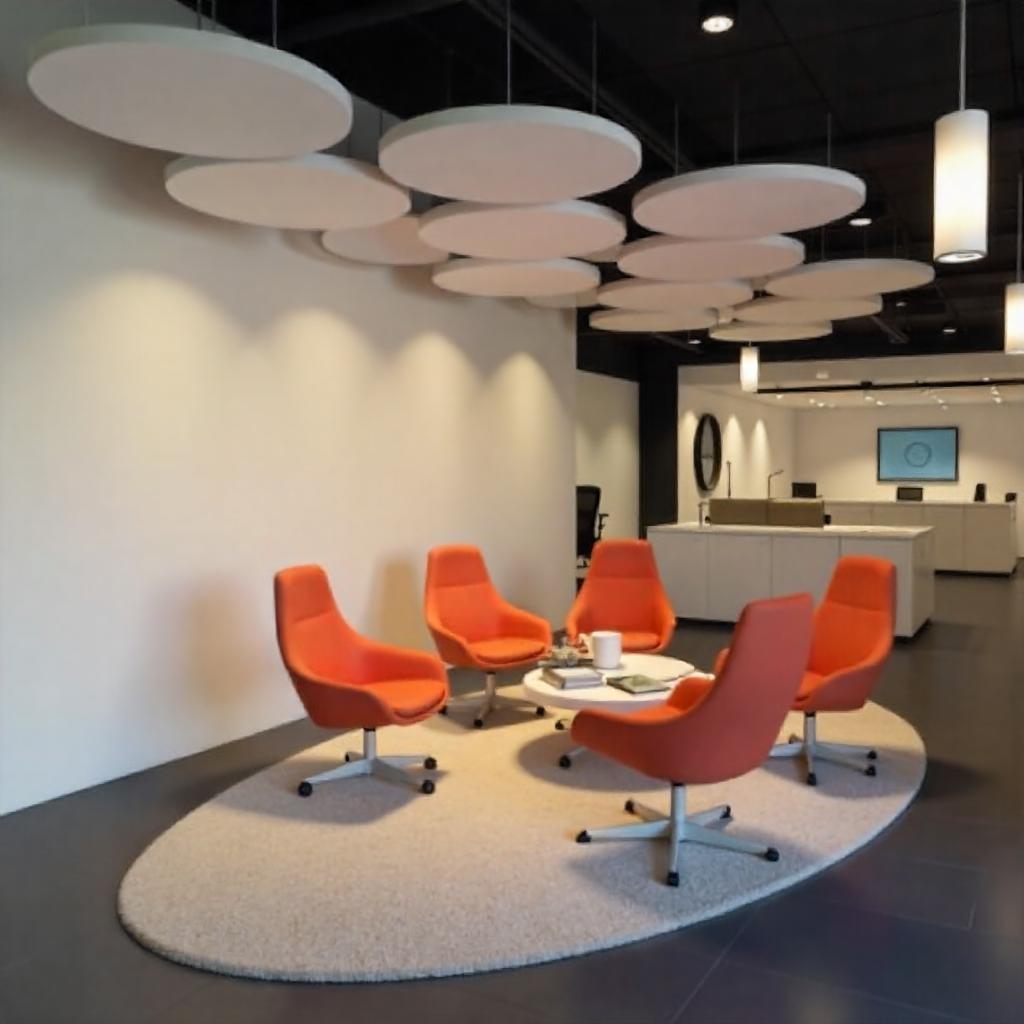
Workspaces are often designed with visual impact in mind, yet the true experience of a space is defined just as much by what we hear as what we see. Sound travels, reflects, and lingers in ways that can either enhance productivity or quietly disrupt it. This is where material intelligence comes into play. Among the many acoustic solutions available, fiberglass acoustic panel systems stand out for their adaptability, performance, and design flexibility.
Rather than being confined to a single application, these panels seamlessly integrate across walls, ceilings, and custom installations, turning ordinary offices into well balanced environments that support focus, collaboration, and comfort.
Understanding Fiberglass as a Material Advantage
Before exploring applications, it helps to understand what makes fiberglass such an effective acoustic medium.
Fiberglass is engineered with a porous structure that traps sound waves rather than allowing them to bounce back into the room. This results in a noticeable reduction in echo and reverberation. Unlike many traditional materials, it delivers consistent performance across a wide frequency range, making it suitable for diverse workspace needs.
Key material benefits include:
- High sound absorption efficiency
- Lightweight structure for easy installation
- Fire resistant properties
- Long term durability without sagging
- Compatibility with multiple finishes and fabrics
These characteristics make fiberglass sound insulation a reliable choice for both new projects and retrofit applications.
Walls that ‘Do More’ than Divide
Walls are often underutilized when it comes to acoustic planning. By incorporating fiberglass sound absorbing panels into vertical surfaces, designers can transform walls into active acoustic elements rather than passive boundaries.
Applications on walls:
- Conference rooms where speech clarity is critical
- Open office zones to control ambient noise
- Cabins and private offices for focused work
- Reception areas to create a calm first impression
Design flexibility:
Fiberglass panels can be customized in terms of size, color, fabric, and pattern. This allows them to blend seamlessly into the design language or even become a visual highlight.
Instead of treating acoustics as an afterthought, walls become an integral part of the sensory experience of the workspace.
Ceilings that Control Sound from Above
Ceilings offer one of the most impactful opportunities for acoustic optimization. Since sound naturally travels upward and reflects downward, treating the ceiling significantly improves overall sound quality.
Fiberglass acoustic panel solutions for ceilings include:
- Cloud panels suspended at varying heights
- Linear baffles that create rhythm and depth
- Full ceiling systems for uniform sound absorption
Why ceilings matter:
- They cover large surface areas efficiently
- They reduce echo across the entire space
- They improve speech intelligibility in shared environments
Aesthetic integration:
Ceiling panels can be designed to complement lighting layouts, HVAC systems, and architectural elements. The result is a cohesive environment where functionality and design coexist effortlessly.
Creating Acoustic Zoning in Open Workspaces
Open layouts encourage collaboration, but they also introduce challenges related to noise management. Without proper acoustic planning, conversations, phone calls, and movement can create constant distractions.
By strategically placing fiberglass sound absorbing panels, it becomes possible to define acoustic zones within a single open area.
Examples of zoning strategies:
- Quiet zones with higher panel density
- Collaboration areas with controlled reverberation
- Breakout spaces with softer acoustic environments
This approach allows different activities to coexist without interfering with each other, improving overall workspace efficiency.
Customization that Aligns with Brand Identity
Acoustic solutions are no longer limited to neutral or hidden finishes. With fiberglass panels, customization plays a significant role in enhancing both performance and aesthetics.
Customization possibilities:
- Fabric wrapped panels in brand colors
- Printed graphics for feature walls
- Geometric patterns for visual interest
- Modular layouts for dynamic compositions
This transforms fiberglass acoustic panel installations into design statements that reflect the identity of the organization.
Seamless Integration with Modern Design Elements
One of the strengths of fiberglass based systems is their compatibility with other architectural components. Whether it is lighting, partitions, or ceiling grids, these panels can be integrated without disrupting the overall design.
Integration highlights:
- Panels can be aligned with lighting fixtures for a clean look
- Ceiling baffles can work alongside exposed services
- Wall panels can double as pin boards or decorative features
Such versatility ensures that fiberglass sound insulation solutions do not feel like add ons but rather an essential part of the design narrative.
Performance that Supports Everyday Functionality
Beyond aesthetics, the true value of acoustic panels lies in their performance. Workspaces demand consistency, especially in environments where communication and concentration are key.
Performance advantages:
- Reduction in background noise levels
- Improved clarity of speech during meetings
- Enhanced comfort for prolonged working hours
- Better acoustic balance across different zones
These benefits directly influence how people interact with the space, making fiberglass sound absorbing panels a practical investment.
Easy Installation and Long Term Reliability
Another important factor is ease of installation and maintenance. Fiberglass panels are lightweight and can be installed across walls and ceilings without extensive structural changes.
Installation benefits:
- Quick and efficient setup
- Minimal disruption to ongoing operations
- Flexibility to modify or relocate panels
Maintenance considerations:
- Panels retain their shape and performance over time
- Fabric finishes can be cleaned or replaced
- No frequent repairs required
This makes fiberglass acoustic panel systems suitable for both fast track projects and long term use.
Sustainable and Responsible Material Choice
Sustainability is an important consideration in modern design decisions. Fiberglass panels contribute positively through their material properties and lifecycle performance.
Sustainability aspects:
- Use of recyclable materials
- Long lifespan reducing replacement needs
- Contribution to indoor environmental quality
Choosing fiberglass sound insulation solutions aligns with responsible design practices while maintaining high performance standards.
Mid Project Upgrade Possibilities
Acoustic improvements do not always have to start from scratch. Existing workspaces can be upgraded with fiberglass panels to achieve noticeable results without major redesign.
Retrofit applications:
- Adding wall panels to meeting rooms
- Installing ceiling clouds in open offices
- Enhancing reception areas with decorative acoustic panels
If you are exploring ways to upgrade your current workspace acoustics, contact us to discover tailored solutions that fit seamlessly into your existing design.
Balancing Function and Experience
A well designed workspace is one where every element contributes to a cohesive experience. Sound plays a subtle yet powerful role in shaping that experience.
By using fiberglass sound absorbing panels across walls and ceilings, it becomes possible to create environments that feel calm, focused, and engaging.
What this balance looks like:
- Conversations that are clear but not intrusive
- Spaces that feel lively without being noisy
- Interiors that look refined and sound comfortable
Making the Right Choice for Your Project
Selecting the right acoustic solution involves understanding the specific needs of the space. Factors such as room size, function, occupancy, and design intent all influence the final outcome.
Consider these factors:
- Type of activities in the space
- Required level of sound absorption
- Integration with design elements
- Budget and installation timeline
If you are planning a new project or upgrading an existing one, contact us to explore how fiberglass acoustic panel systems can be customized for your requirements.
The Future of Workspace Acoustics
Workspaces continue to evolve, and so do the expectations from them. Flexibility, comfort, and performance are no longer optional. Acoustic solutions must adapt to changing layouts and user needs.
Fiberglass based systems offer that adaptability. Whether applied on walls, ceilings, or as standalone elements, they provide a scalable solution that grows with the workspace.
Final Thoughts
From vertical surfaces to overhead installations, the role of acoustic panels extends far beyond basic sound control. They shape how a space feels, functions, and performs on a daily basis.
By integrating fiberglass sound insulation across multiple dimensions, workspaces can achieve a level of balance that supports both productivity and well being.
If you are looking to transform your interiors with high performance fiberglass sound absorbing panels, contact us today and take the first step toward creating a workspace that sounds as good as it looks.