
In contemporary architecture and interior design, ceilings are no longer treated as a purely functional plane. They have evolved into powerful design elements that influence acoustics, aesthetics, sustainability, and user experience. Among the many ceiling solutions shaping modern spaces, metal ceiling perforated designs have emerged as a defining trend. From corporate offices and airports to cultural institutions and premium retail spaces, designers are increasingly turning to metal ceiling systems to create environments that are visually striking, technically efficient, and future-ready.
The growing popularity of the metal false ceiling, particularly in its perforated form, is not accidental. It reflects a broader shift toward design solutions that balance form and function spaces that look refined while performing exceptionally well. This article explores the rise of metal ceiling perforated design in contemporary spaces, examining why it has become a preferred choice, how it enhances spatial performance, and where it fits into the future of interior architecture.
Evolution of the Metal Ceiling in Modern Architecture
Historically, ceilings were designed to hide services, conceal structural elements, or simply provide a finished surface. Traditional materials like gypsum, plaster, or mineral fiber dominated the market for decades. However, as architectural demands became more complex, these materials began to show limitations in durability, flexibility, and long-term performance.
The metal ceiling entered the scene as a solution that could address these challenges. With its inherent strength, precision engineering, and clean finish, metal quickly gained acceptance in commercial and institutional projects. Over time, the metal false ceiling evolved beyond plain panels into a wide variety of forms such as linear, mesh, baffle, and most notably, perforated designs.
Today, metal ceiling perforated systems represent the convergence of advanced engineering and refined aesthetics, making them a cornerstone of contemporary interior design.
What Is a Metal Ceiling Perforated System?
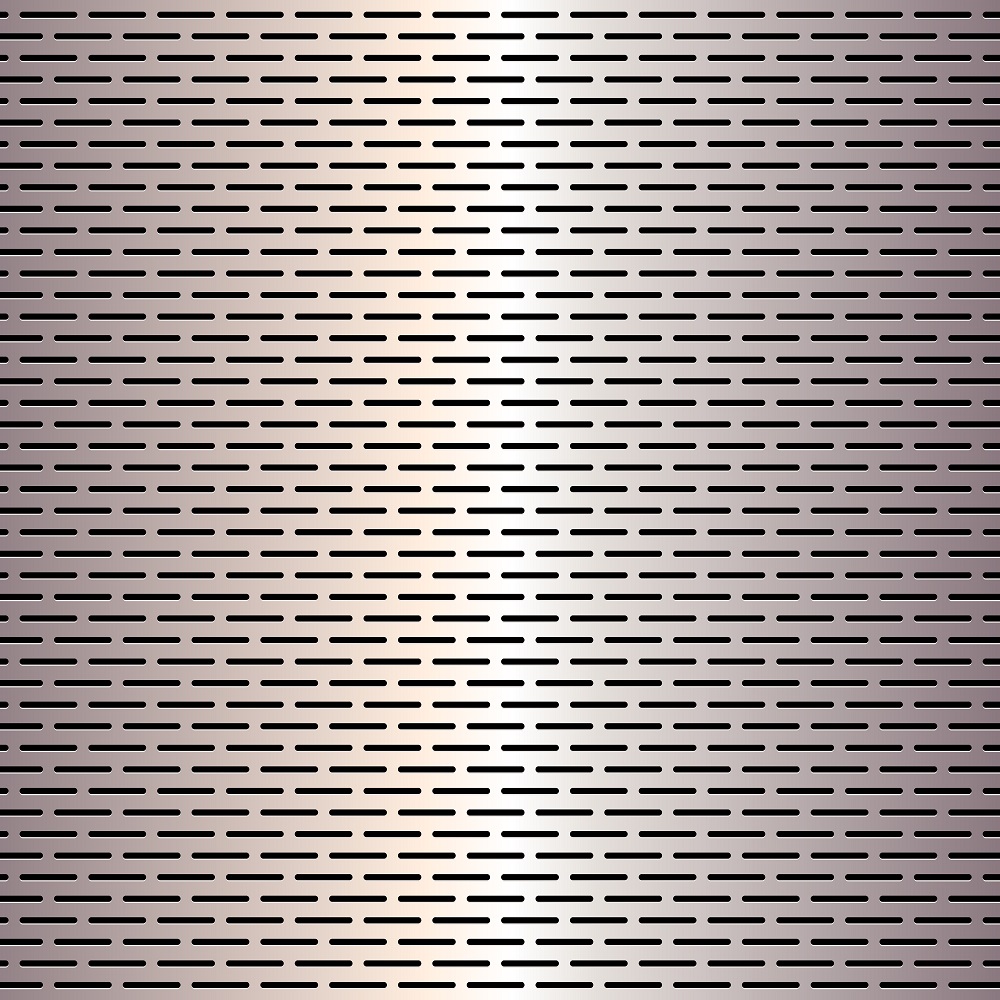
A metal ceiling perforated system consists of metal panels including aluminum, galvanized steel, or stainless steel with precisely engineered perforations. These perforations can vary in size, pattern, and density, allowing designers to customize both visual appeal and acoustic performance.
Unlike conventional ceilings, a perforated metal ceiling is often paired with acoustic backing such as non-woven fabric, mineral wool, or PET insulation. This combination allows the ceiling to absorb sound while maintaining the sleek, modern appearance that metal is known for.
As a result, the metal false ceiling becomes more than a decorative layer, it transforms into an active contributor to spatial comfort and performance.
Why Metal Ceiling Perforated Designs Are Gaining Popularity
1. Superior Acoustic Performance
One of the strongest drivers behind the rise of metal ceiling perforated systems is acoustics. Modern spaces like open offices, co-working hubs, auditoriums, airports, and educational facilities that require effective sound control without compromising design intent.
The perforations in a metal ceiling allow sound waves to pass through the panel and get absorbed by the backing material. This reduces echo, reverberation, and ambient noise levels. Compared to many traditional materials, a perforated metal false ceiling offers consistent acoustic performance over time, without sagging or degradation.
2. Contemporary Aesthetics with Design Flexibility
Designers today seek ceilings that complement minimalist, industrial, and high-tech interiors. The clean lines and crisp finishes of a metal ceiling align perfectly with these aesthetics.
With metal ceiling perforated designs, customization is virtually limitless:
- Circular, square, slot, or micro-perforations
- Uniform or gradient patterns
- Custom layouts aligned with lighting or HVAC systems
This flexibility allows the metal false ceiling to become a visual statement rather than a background element, enhancing the overall design narrative of the space.
3. Seamless Integration of Services
Modern ceilings must accommodate lighting, sprinklers, air diffusers, speakers, and access panels. A metal ceiling excels in this area due to its precision manufacturing and modular systems.
A metal ceiling perforated solution allows seamless integration of building services without disrupting the ceiling’s visual rhythm. Panels can be easily removed and reinstalled, making the metal false ceiling ideal for spaces that require frequent maintenance or upgrades.
Durability and Longevity: A Practical Advantage
Unlike gypsum or mineral fiber, a metal ceiling does not crack, warp, or sag over time. It is resistant to moisture, fire, pests, and impact, making it suitable for high-traffic and demanding environments.
In humid climates or spaces like metro stations, healthcare facilities, and airports, a metal ceiling perforated system outperforms conventional ceilings in terms of lifecycle cost. The durability of a metal false ceiling ensures that design intent and performance remain intact for years, reducing replacement and maintenance expenses.
Sustainability and the Rise of Responsible Design
Sustainability is no longer optional in contemporary architecture. Designers and developers are increasingly choosing materials that support green building certifications and long-term environmental responsibility.
A metal ceiling is inherently sustainable:
- Made from recyclable materials
- Long lifespan reduces material waste
- Compatible with energy-efficient lighting and HVAC systems
When designed as a metal ceiling perforated system, it also contributes to indoor environmental quality by improving acoustics and supporting occupant well-being. This makes the metal false ceiling a strong ally in sustainable design strategies.
Applications of Metal Ceiling Perforated Design in Contemporary Spaces
Corporate and Commercial Offices
Open-plan offices benefit significantly from metal ceiling perforated systems due to their acoustic control and clean aesthetics. A well-designed metal ceiling helps manage noise while reinforcing a modern corporate identity.
Airports and Transit Hubs
Large-scale public spaces demand materials that are durable, fire-resistant, and easy to maintain. A metal false ceiling meets all these criteria while allowing designers to create iconic ceiling designs that guide movement and enhance spatial experience.
Educational and Institutional Buildings
Classrooms, libraries, and auditoriums require controlled acoustics and long-term durability. A metal ceiling perforated solution provides both, ensuring functional comfort without visual clutter.
Retail and Hospitality Spaces
In premium retail and hospitality environments, the ceiling plays a crucial role in brand storytelling. A customized metal ceiling can elevate the customer experience while supporting lighting and acoustic requirements.
The Design Story: How Ceilings Shape Experience
Every space tells a story, and the ceiling is an often-overlooked narrator. A metal ceiling perforated design can subtly influence how people feel and interact within a space. The rhythm of perforations, the play of light and shadow, and the acoustic comfort all contribute to a cohesive sensory experience.
Designers are now using the metal false ceiling as a canvas aligning perforation patterns with architectural grids, creating visual flow, or highlighting specific zones. This storytelling aspect is a key reason why the metal ceiling has become central to contemporary design thinking.
Future Trends in Metal Ceiling Perforated Systems
Looking ahead, innovation in metal ceiling perforated design is set to accelerate. Emerging trends include:
- Parametric perforation patterns driven by acoustic simulations
- Integration with smart lighting and building automation
- Hybrid systems combining metal with wood or fabric accents
As technology and design continue to intersect, the metal false ceiling will play an even greater role in shaping intelligent, responsive interiors.
Conclusion
The rise of metal ceiling perforated design in contemporary spaces is a reflection of changing priorities in architecture and interior design. Performance, durability, sustainability, and aesthetics are no longer separate considerations, they are interconnected.
A well-designed metal ceiling delivers acoustic comfort, visual sophistication, and long-term value. As a metal false ceiling, it adapts effortlessly to the evolving needs of modern spaces while maintaining its integrity and appeal.
For architects, designers, and developers seeking future-ready solutions, metal ceiling perforated systems are a strategic design choice.
Looking to incorporate metal ceiling perforated designs into your next project? Contact us and explore innovative metal ceiling solutions that combine engineering excellence with contemporary design, and transform your ceilings into defining architectural features.