
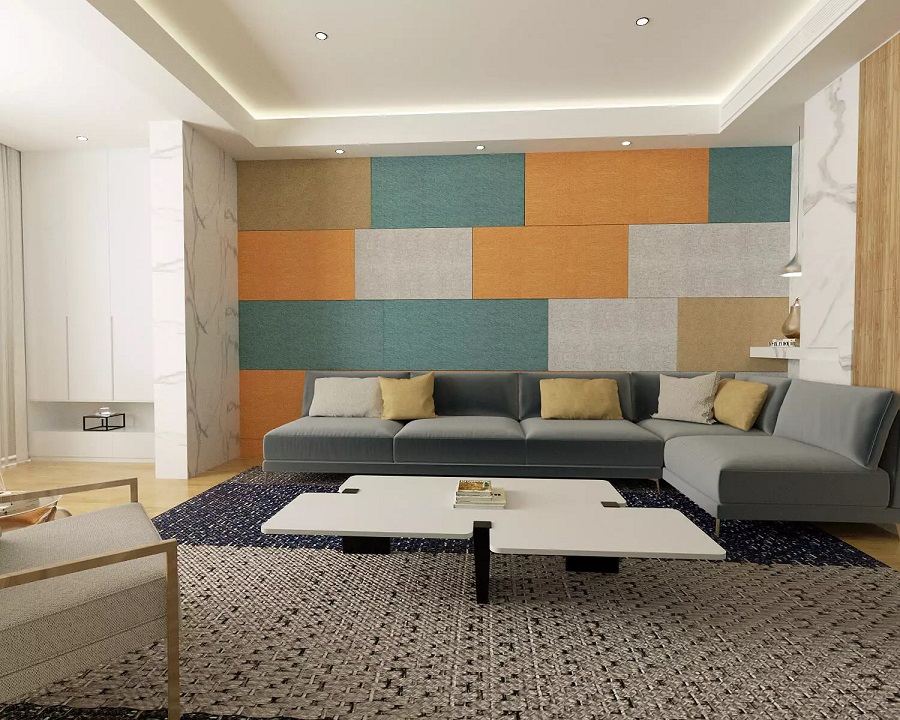
The fast-growing demand for efficient, sustainable, and design-friendly acoustic materials has brought two standout categories to the forefront—polyester acoustic board and polyester fibre acoustic panel. While both originate from PET fibres, their performance, texture, density, and usability vary significantly. For architects, consultants, builders, and interior professionals, understanding these differences helps align the right solution with the right space.
This guide breaks down their distinctions, strengths, ideal applications, and real-world usage scenarios so you can confidently select the perfect sound-control material for your project.
Understanding Both Materials at a Glance
Before diving into performance, let’s clarify what each one is:
1. Polyester Acoustic Board
A rigid, compressed board made from thermally bonded polyester fibres. It typically comes with a firmer structure, allowing it to work well for wall cladding, partitions, and moderate-to-high noise-absorption needs.
2. Polyester Fibre Acoustic Panel
A softer, lighter, and more flexible variant, created using expanded polyester fibres. This panel excels in sound diffusion, thermal insulation, and versatile design needs, especially where a plush aesthetic is desired.
While both materials are eco-friendly and recyclable, their usability, acoustic behaviour, and durability vary, making them suitable for different types of interiors.
Feature-Focused Comparison
1. Acoustic Performance
Polyester Acoustic Board
With its higher density, the board delivers stronger mid-frequency and bass absorption, making it a dependable choice for studios, cabins, conference rooms, and cinema halls. Its rigid composition allows it to retain consistent acoustic efficiency over long-term use.
Polyester Fibre Acoustic Panel
Designed for gentle and balanced sound control, this panel excels in diffusing and absorbing everyday noise in classrooms, homes, hospitality areas, and open offices. Its naturally porous structure supports soft, comfortable reverberation control.
2. Durability and Structural Strength
Polyester Acoustic Board
Its solid, impact-resistant build allows it to withstand demanding environments and high-traffic spaces. It also works well as a structural element in partitions or customized architectural backings.
Polyester Fibre Acoustic Panel
Created for light-duty use, it performs best in spaces where impact risk is minimal. It fits seamlessly on walls and ceilings and suits design-driven installations rather than rough-use conditions.
3. Aesthetic Adaptability
Polyester Acoustic Board
The board delivers a clean, refined aesthetic and adapts perfectly to CNC cutting, printing, grooving, and geometric detailing. It enhances interiors with a strong, architectural visual presence.
Polyester Fibre Acoustic Panel
This panel offers a warm, soft, and fabric-like surface that feels minimal and inviting. Designers often choose it for its seamless look, vibrant color options, and ease of shaping into creative forms.
4. Installation Ease
Polyester Acoustic Board
Because of its rigid structure, it requires precision during installation and performs best in permanent setups. Adhesive, screws, and Z-clips are commonly used based on thickness.
Polyester Fibre Acoustic Panel
Lightweight and effortless to work with, it supports quick installation in both temporary and suspended applications. It can be pinned, stuck, stapled, or mounted in minutes.
5. Fire, Moisture & Safety Performance
Polyester Acoustic Board
The dense structure enhances fire resistance and maintains stability against moisture, pests, and temperature changes. It meets the safety needs of commercial and public environments.
Polyester Fibre Acoustic Panel
While naturally moisture-resistant, its softer build responds quicker to humidity shifts. It performs reliably in homes, classrooms, and controlled indoor settings.
6. Sustainability & Environmental Impact
Both materials support eco-conscious design with their recyclable PET composition, low VOC nature, and odour-free performance. The board, however, requires more energy for compression, while the fibre panel offers a lighter carbon footprint due to its reduced mass.
7. Cost Efficiency
Polyester Acoustic Board
Its cost is slightly higher, but the value payoff is significant in professional acoustic environments that demand high precision and long-term stability.
Polyester Fibre Acoustic Panel
Its affordability makes it ideal for large-scale coverage and budget-sensitive projects without compromising essential acoustic comfort.
Scenario-Based Usage: Choosing the Right Material for Real-World Projects
Scenario 1: A Co-working Space with Noise Spillover Issues
A co-working environment often faces conversations, tapping sounds, and overlapping noise from multiple zones.
Best Choice: Polyester Acoustic Board
The board’s denser mass helps absorb mid and low frequencies more effectively, creating quieter collaborative spaces and better acoustic zoning.
Scenario 2: A Preschool Classroom Requiring Soft Aesthetics & Safety
In classrooms, safety, colour-friendly design, and soothing acoustics are priorities.
Best Choice: Polyester Fibre Acoustic Panel
The panel offers softness, comfort, and excellent sound clarity making learning spaces calm, safe, and visually warm.
Scenario 3: A Home Theatre Setup
Home theatres need deep sound absorption and reduced echo to improve entertainment quality.
Best Choice: Polyester Acoustic Board
Its high-density performance improves audio depth and clarity, offering a professional cinema experience.
Scenario 4: A Modern Cafe Wanting Trendy Aesthetics
Cafes thrive on ambiance including textures, colours, acoustic comfort, and creative design elements.
Best Choice: Polyester Fibre Acoustic Panel
Its adaptability in colours and soft aesthetics enhances design elements while reducing chatter-induced echo.
Scenario 5: A Corporate Boardroom Demanding Clear Communication
Meetings rely on speech clarity and minimal reverberation.
Best Choice: Polyester Acoustic Board
It ensures crisp conversations and reduces outward noise transfer.
Value-Driven Recommendations
When choosing between a polyester acoustic board and a polyester fibre acoustic panel, consider these value-focused insights:
Choose Polyester Acoustic Board if you want:
- Higher acoustic performance for mid-to-low frequencies
- Impact-resistant durability
- Strong architectural detailing
- Enhanced privacy and improved intelligibility
- Long-term performance in busy environments
Choose Polyester Fibre Acoustic Panel if you want:
- Aesthetic flexibility and soft visual ambiance
- Quick installation and lightweight handling
- Cost-effective solutions for large areas
- Balanced sound comfort suitable for lifestyle spaces
- Warm, creative, and welcoming interior finishes
Both materials deliver excellent noise reduction capabilities, but the best pick depends on the functionality, frequency behaviour, interior styling, and traffic level of the space.
Final Conclusion
The debate of polyester board vs polyester fibre panel is not about which material is universally superior, but which one aligns best with your design, performance, and budget expectations. A polyester acoustic board excels when density, structural strength, and deeper sound absorption matter, whereas a polyester fibre acoustic panel shines through when aesthetic versatility, lightweight installation, and cost efficiency take priority.
By understanding their distinctions and real-world applications, you can make an informed choice that elevates interior comfort and acoustic quality. Whether you’re designing a workspace, classroom, home theatre, cafe, or hospitality venue, selecting the right polyester-based solution ensures a balanced, sustainable, and highly effective sound-controlled environment.
If your project values long-term performance, stability, and premium acoustic results, opt for polyester acoustic boards. If your design demands warm aesthetics and versatile installation, polyester fibre acoustic panels are the way forward. Both options support modern interiors beautifully, your choice simply shapes how they perform.