
A visually stunning space can instantly leave a lasting impression, but its success is ultimately measured by how people experience it. In today’s workplaces, educational institutions, hospitality venues, and commercial environments, comfort extends beyond aesthetics. Excessive noise, distracting echoes, and poor speech clarity can affect productivity, communication, and overall well-being.
As architects and designers increasingly focus on creating human-centric spaces, acoustics have become a critical part of the design conversation. This shift has led to the growing adoption of acoustic spray paint as an innovative solution that combines acoustic performance with architectural freedom. Unlike traditional sound-absorbing systems, acoustic spray paint offers a seamless finish while helping create quieter, more comfortable environments.
In this blog, we’ll explore how acoustic spray paint is transforming modern interiors, where it works best, and why it is becoming a preferred choice for designers seeking both functionality and aesthetics.
Why Sound has become a Design Priority?
For years, interior design focused heavily on visual elements such as materials, color palettes, furniture, and lighting. While these components remain important, today’s spaces are expected to deliver a complete sensory experience.
Poor acoustics can lead to:
- Reduced workplace productivity
- Communication challenges
- Increased stress levels
- Poor learning outcomes
- Uncomfortable customer experiences
Whether it’s an open office buzzing with conversations or a restaurant filled with background noise, sound directly impacts how people feel within a space. As a result, acoustic planning is no longer an afterthought, it’s a fundamental design consideration.
This growing awareness has accelerated the demand for solutions like acoustic spray paint, which help manage sound without disrupting architectural intent.
What Exactly is Acoustic Spray Paint?
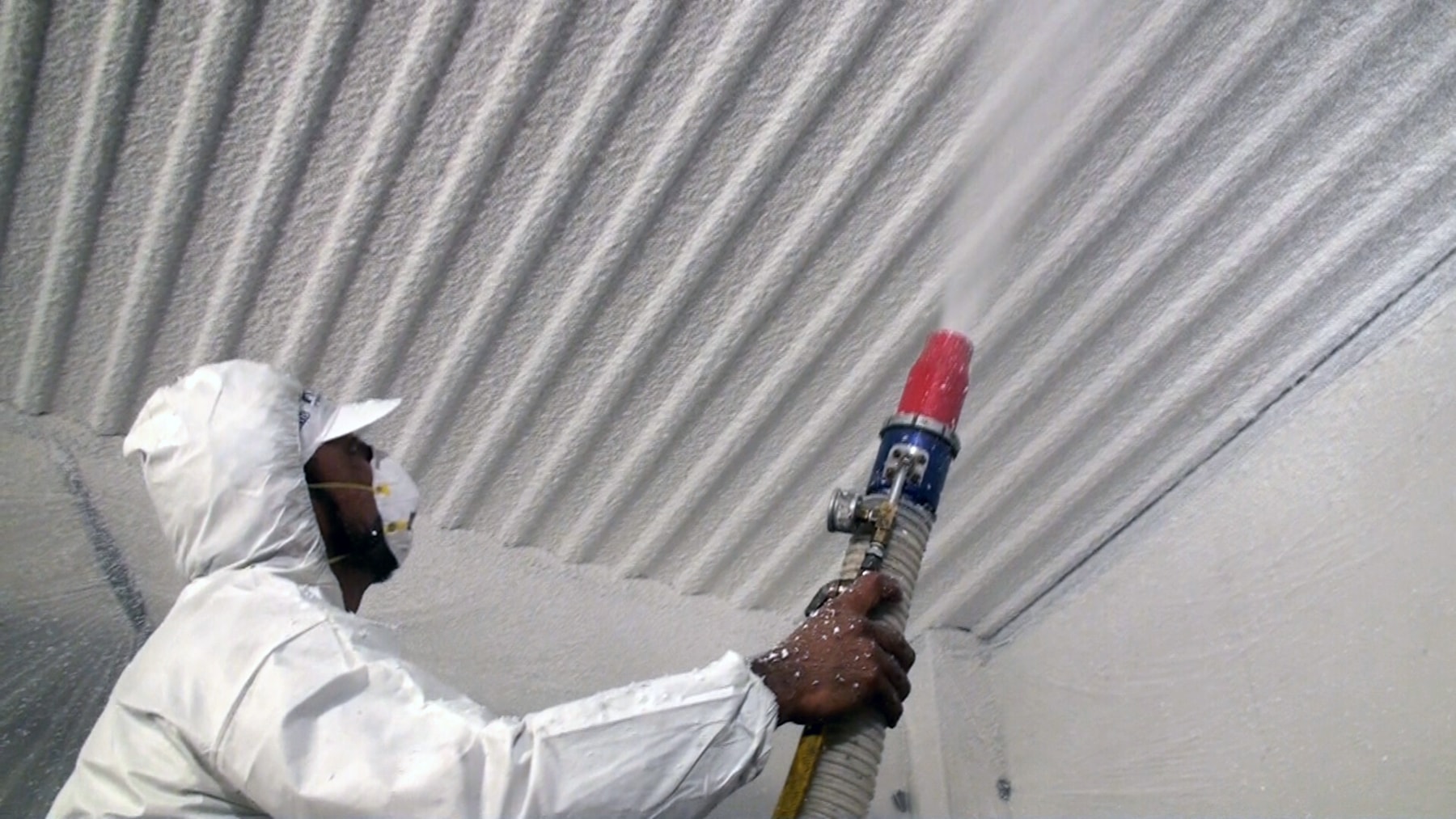
At its core, acoustic spray paint is a specialized sound-absorbing coating that comes in spray foam applied directly onto ceilings, walls, and structural surfaces. Designed to reduce reverberation and improve acoustic comfort, it offers a smooth, monolithic appearance that blends naturally with modern architectural designs.
Unlike bulky acoustic treatments that can alter the visual character of a space, acoustic spray paint provides effective sound control while preserving clean lines and open aesthetics.
The material is typically sprayed onto:
- Concrete ceilings
- Exposed roof decks
- Metal surfaces
- Drywall
- Curved architectural elements
- Structural beams
This versatility allows acoustic spray paint to be integrated into a wide range of commercial and institutional projects.
The Hidden Problem: When Design Creates Noise
Modern architecture often embraces open layouts, industrial ceilings, expansive glass facades, and exposed structural elements. While visually appealing, these surfaces tend to reflect sound rather than absorb it.
The result?
Conversations overlap, echoes linger, and spaces become acoustically uncomfortable.
This challenge is particularly common in:
- Corporate offices
- Educational facilities
- Hospitality environments
- Healthcare centers
- Auditoriums
- Retail spaces
By absorbing sound energy rather than reflecting it, acoustic spray paint helps transform these environments into more functional and enjoyable spaces.
How Acoustic Spray Paint Improves Acoustic Performance
Absorbs Excessive Sound Reflections
One of the primary functions of acoustic spray paint is reducing reverberation. When sound waves strike hard surfaces, they bounce repeatedly throughout the room.
Acoustic spray paint introduces a porous acoustic layer that captures and dissipates sound energy, minimizing echoes and improving overall sound quality.
Enhances Speech Clarity
Clear communication is essential in workplaces, classrooms, and public environments.
By reducing background reverberation, acoustic spray paint helps improve speech intelligibility, making conversations easier to understand.
Creates More Comfortable Spaces
Acoustic comfort contributes significantly to occupant satisfaction.
Whether people are collaborating, learning, dining, or relaxing, spaces treated with acoustic spray paint often feel calmer, quieter, and more welcoming.
Why Designers Prefer Acoustic Spray Paint
Seamless Design Integration
One of the biggest advantages of acoustic spray paint is its ability to remain virtually invisible within a design scheme.
Unlike traditional acoustic panels that can interrupt architectural aesthetics, acoustic spray paint becomes part of the surface itself.
This makes it particularly attractive for contemporary interiors where minimalism and visual continuity are priorities.
Supports Creative Architectural Concepts
Designers often face the challenge of balancing aesthetics with functionality.
Acoustic spray paint allows architects to maintain exposed ceilings, curved surfaces, and open designs while still addressing acoustic requirements.
This level of design flexibility has contributed significantly to the growing popularity of acoustic spray paint across modern projects.
Covers Large Areas Efficiently
Large commercial spaces often require extensive acoustic treatment.
Because acoustic spray paint can be applied across expansive surfaces, it provides consistent acoustic performance while maintaining a unified visual appearance.
Where Acoustic Spray Paint Delivers the Greatest Impact
- Corporate Workspaces: Open-plan offices encourage collaboration but can also create distracting noise levels. Acoustic spray paint helps reduce sound reflections, improving focus and supporting workplace productivity.
- Educational Facilities: Students learn best in environments where they can clearly hear and understand instruction. By reducing reverberation, acoustic spray paint helps improve classroom acoustics and learning experiences.
- Hospitality Environments: Restaurants, hotels, lounges, and cafés thrive when guests can comfortably communicate. Installing acoustic spray paint contributes to a more pleasant atmosphere without compromising interior design.
- Healthcare Spaces: Noise reduction plays an important role in patient comfort and staff communication. Acoustic spray paint helps create quieter healthcare environments that support better experiences for everyone.
- Public and Commercial Buildings: Large public spaces often struggle with excessive noise buildup. The sound-absorbing properties of acoustic spray paint help improve comfort and functionality in these high-traffic environments.
How Acoustic Spray Foam Complements Acoustic Design
While acoustic spray paint focuses primarily on sound absorption within a room, acoustic spray foam can play a supporting role in broader acoustic strategies.
Many designers use acoustic spray foam in areas where additional sound control and insulation are required. Its ability to conform to irregular surfaces makes it valuable for projects with complex architectural conditions.
When used appropriately, acoustic spray foam can contribute to a more comprehensive acoustic solution.
Understanding the Role of Spray Foam Sound Insulation
Another term frequently associated with acoustic treatments is spray foam sound insulation.
Unlike acoustic spray paint, which primarily manages sound reflections within a space, spray foam sound insulation is often used to help reduce sound transmission between adjacent areas.
Applications may include:
- Interior partitions
- Building envelopes
- Service areas
- Mechanical rooms
Combining spray foam sound insulation with acoustic spray paint can help create environments that are both acoustically comfortable and better isolated from external noise.
Why Modern Buildings Are Turning to Acoustic Surface Treatments
The future of design is increasingly centered around occupant experience.
Organizations are investing in environments that promote:
- Wellness
- Collaboration
- Productivity
- Learning
- Customer satisfaction
As a result, solutions like acoustic spray paint are becoming integral components of modern building design. Their ability to improve acoustic performance while maintaining architectural freedom makes them especially valuable in contemporary spaces.
Why Trust Tranquil for Acoustic Solutions?
At Tranquil, we understand that every space has unique acoustic challenges and performance goals.
Our expertise spans a wide range of acoustic solutions, including:
- PET acoustic systems
- Fiberglass acoustic solutions
- Acoustic wall treatments
- Acoustic ceiling systems
- Custom acoustic applications
We work closely with architects, interior designers, consultants, and contractors to develop solutions that balance aesthetics, functionality, and long-term performance.
Our recommendations are driven by industry experience, technical understanding, and a commitment to creating environments where people can communicate, focus, and thrive comfortably.
Related Reading: Explore Acoustic Treatment Materials
Click now: What’s Inside Acoustic Treatment Materials: Understanding the Theory
The Future Sounds Better with Acoustic Spray Paint
As design priorities continue to evolve, acoustics are becoming just as important as aesthetics. People expect environments that not only look exceptional but also support concentration, communication, and comfort.
This is where acoustic spray paint stands out. Its ability to seamlessly integrate into architectural designs while delivering effective sound absorption makes it one of the most versatile acoustic solutions available today.
Whether you’re designing an innovative workplace, a learning environment, a hospitality destination, or a commercial facility, investing in acoustic spray paint can significantly enhance the overall user experience.
Ready to Build Spaces That Sound as Good as They Look?
Connect with Tranquil’s acoustic specialists to discover the right solution for your next project. From acoustic consultation to customized product recommendations, we’re here to help you create quieter, more comfortable, and high-performing spaces that leave a lasting impression.
FAQs
- What is acoustic spray paint?
Acoustic spray paint is a sound-absorbing coating that comes in spray foam, helps reduce echo and improve acoustic comfort in interior spaces. - Where is acoustic spray paint commonly used?
It is widely used in offices, schools, auditoriums, restaurants, healthcare facilities, and commercial buildings. - How is acoustic spray paint different from acoustic spray foam?
Acoustic spray paint primarily controls sound reflections and additionally it give aesthetic look, while acoustic spray foam can provide both acoustic and insulation benefits. - Does spray foam sound insulation reduce noise between rooms?
Yes, spray foam sound insulation helps minimize sound transmission and improve privacy between adjacent spaces. - Why choose acoustic spray paint for modern interiors?
Acoustic spray paint offers effective sound absorption while maintaining a clean, seamless, and aesthetically pleasing design.