
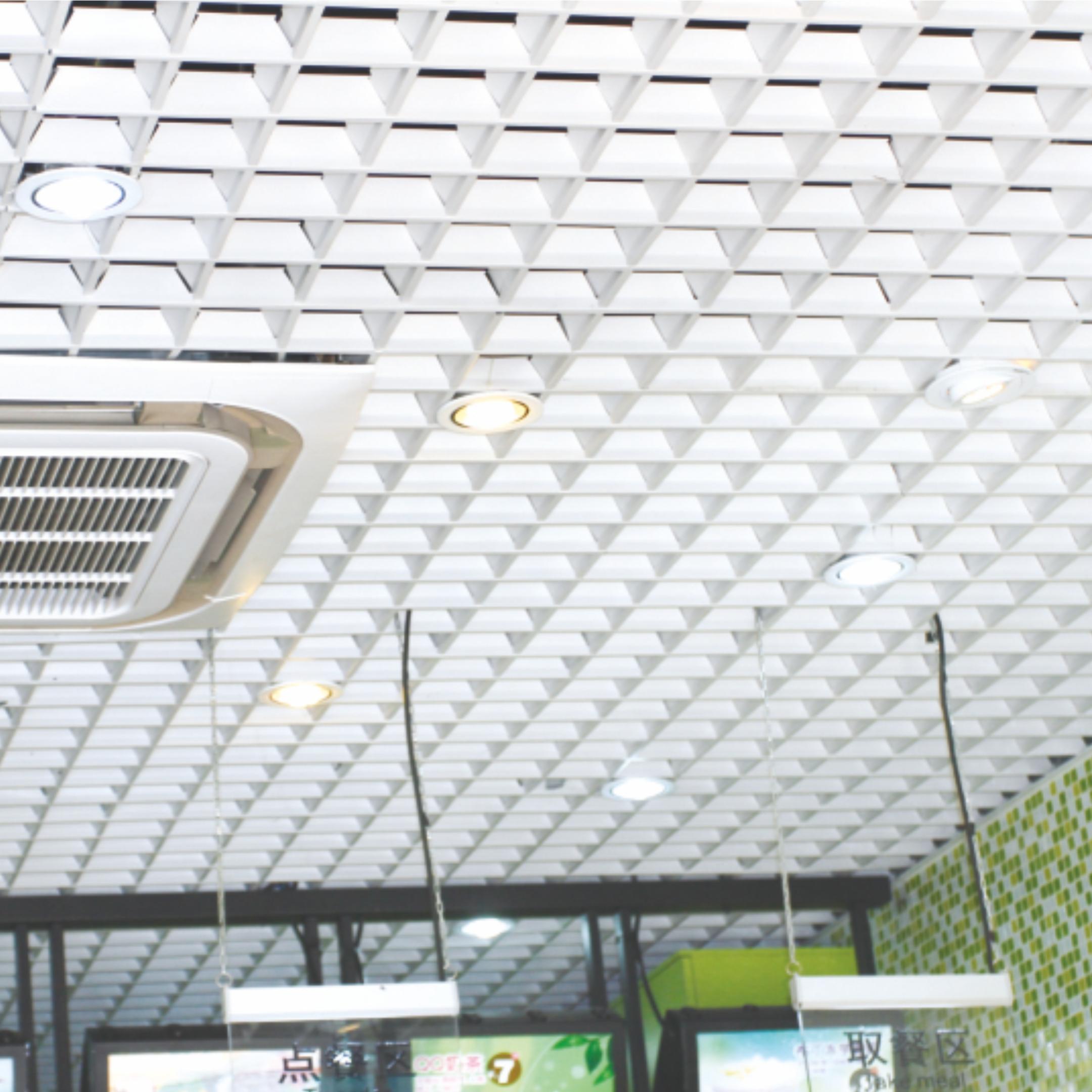
Most people don’t look up until something feels off. A space may look polished, well-lit, and thoughtfully designed but if the ceiling lacks precision, balance, or depth, you notice it subconsciously. That’s exactly where a metal ceiling steps in. It brings order, rhythm, and a refined finish that quietly elevates the entire environment.
But here’s the catch: installing a metal ceiling tile system isn’t as straightforward as it appears. Behind that clean, seamless look lies a series of technical decisions, coordination challenges, and on-site realities that rarely get discussed. And if you’re considering a metal false ceiling, understanding these hidden aspects early can make all the difference between a flawless execution and costly rework.
Let’s break it down.
Why Metal Ceilings Are Gaining Ground (And Why That Matters)
There’s a reason the metal false ceiling has moved beyond commercial spaces into premium interiors. It offers durability, precision, and a contemporary aesthetic that few materials can match.
But the appeal isn’t just visual.
- High resistance to moisture and corrosion
- Fire-safe and non-combustible properties
- Compatibility with acoustic backings
- Easy integration with lighting, HVAC, and services
At Tranquil, we’ve seen a growing shift where designers choose a metal ceiling for performance while using it as a core design language.
Why trust us? Because we don’t just supply materials but work closely with architects and contractors to solve real installation challenges on-site.
What No One Tells You About Installing a Metal Ceiling Tile
1. Not All Metal Ceiling Tiles Are Created Equal
At first glance, most metal ceiling tile options look similar. But differences in thickness, coating, perforation, and edge detailing can drastically impact performance.
A poorly chosen tile may:
- Warp over time
- Show visible joint inconsistencies
- Affect acoustic performance
Pro Tip: Always align your tile choice with the space’s functional needs not just aesthetics. For example, offices need acoustic backing, while industrial areas may prioritize durability.
2. The Substructure Decides Everything
Here’s something most people overlook as the performance of your metal false ceiling is only as good as its support system.
Suspension grids, channels, and fixing methods determine:
- Alignment precision
- Load-bearing capacity
- Long-term stability
Even the best metal ceiling panels can fail visually if the grid isn’t perfectly leveled.
3. Installation Tolerances Are Not Forgiving
Unlike gypsum or POP, metal doesn’t “adjust” on-site.
A metal ceiling tile installation demands:
- Millimeter-level accuracy
- Perfect alignment of services
- Pre-planned cut-outs
Once installed, errors are hard to hide.
That’s why early coordination between architects, MEP teams, and installers is critical.
4. Acoustic Performance Isn’t Automatic
Many assume a metal ceiling automatically improves acoustics. That’s not entirely true.
Metal by itself reflects sound. To achieve sound absorption, you need:
- Perforated panels
- Acoustic fleece or backing
- Proper NRC-rated systems
Without this, your metal false ceiling could actually increase echo.
5. Maintenance Is Easy But Only If Planned Right
One of the biggest advantages of a metal ceiling tile system is accessibility. But poor planning can make maintenance frustrating.
Ask yourself:
- Can panels be easily removed and reinstalled?
- Are service areas accessible?
- Will repeated handling damage the finish?
Smart design ensures your metal ceiling stays functional long after installation.
The Hidden Cost Factors in Metal False Ceiling Installation
Let’s address the elephant in the room budget.
A metal false ceiling might seem more expensive upfront compared to gypsum. But what’s often ignored is the lifecycle cost.
What adds to the cost:
- Custom perforation patterns
- Acoustic backing materials
- Specialized installation labor
- High-quality coatings (powder-coated, anodized, etc.)
What saves cost long-term:
- Minimal maintenance
- High durability
- Reusability of panels
In many projects, a well-installed metal ceiling tile system proves more economical over time.
Design Flexibility: Where Metal Ceilings Truly Shine
If you think a metal ceiling is just plain tiles, think again.
Modern systems offer:
- Linear panels for directional aesthetics
- Open-cell designs for exposed ceilings
- Baffle systems for dynamic depth
- Custom perforation patterns
A metal false ceiling can be minimal or dramatic depending on how you design it.
At Tranquil, we’ve seen designers use metal ceiling tile systems to create signature ceilings that define entire spaces.
Common Mistakes to Avoid During Installation
Even experienced teams make these errors:
❌ Ignoring Service Coordination
Leads to misaligned cut-outs and rework.
❌ Choosing Aesthetics Over Function
A beautiful metal ceiling that doesn’t perform acoustically can ruin user experience.
❌ Skipping Mock-Ups
Always test a small section before full installation.
❌ Poor Lighting Integration
Improper fixture placement can disrupt the uniform look of your metal false ceiling.
How to Get It Right the First Time
If you want your metal ceiling tile installation to be seamless, follow this approach:
- Define Purpose Clearly
Is it for aesthetics, acoustics, or both? - Select the Right System
Not all metal ceiling systems suit every space. - Plan Services Early
Coordinate lighting, HVAC, and sprinklers before installation. - Work with Experts
Installation quality matters as much as material quality.
Related Read: Understand the Science Behind Better Ceilings
Achieving Sonic Perfection with Acoustic Wood Panel Wall in Different Settings
Why Metal Ceilings Are the Future of Smart Interiors
Today’s spaces demand more than just visual appeal. They need performance, flexibility, and longevity.
A well-designed metal ceiling delivers:
- Structural precision
- Acoustic adaptability
- Seamless integration with technology
And when paired with the right metal ceiling tile system, it becomes a long-term investment not just a design choice.
Final Thoughts: What Really Makes a Metal Ceiling Work
Installing a metal false ceiling isn’t just about fixing panels overhead. It’s about understanding how every detail from tile selection to installation precision affects the final outcome.
The difference between an average and exceptional metal ceiling lies in the decisions made before installation begins.
At Tranquil, we believe that every ceiling should do more than cover a space, it should enhance it.
Let’s Build Smarter Ceilings Together
Planning a project with a metal ceiling tile system?
Connect with Tranquil for expert guidance, customized solutions, and technical support that ensures your ceiling performs as beautifully as it looks.