
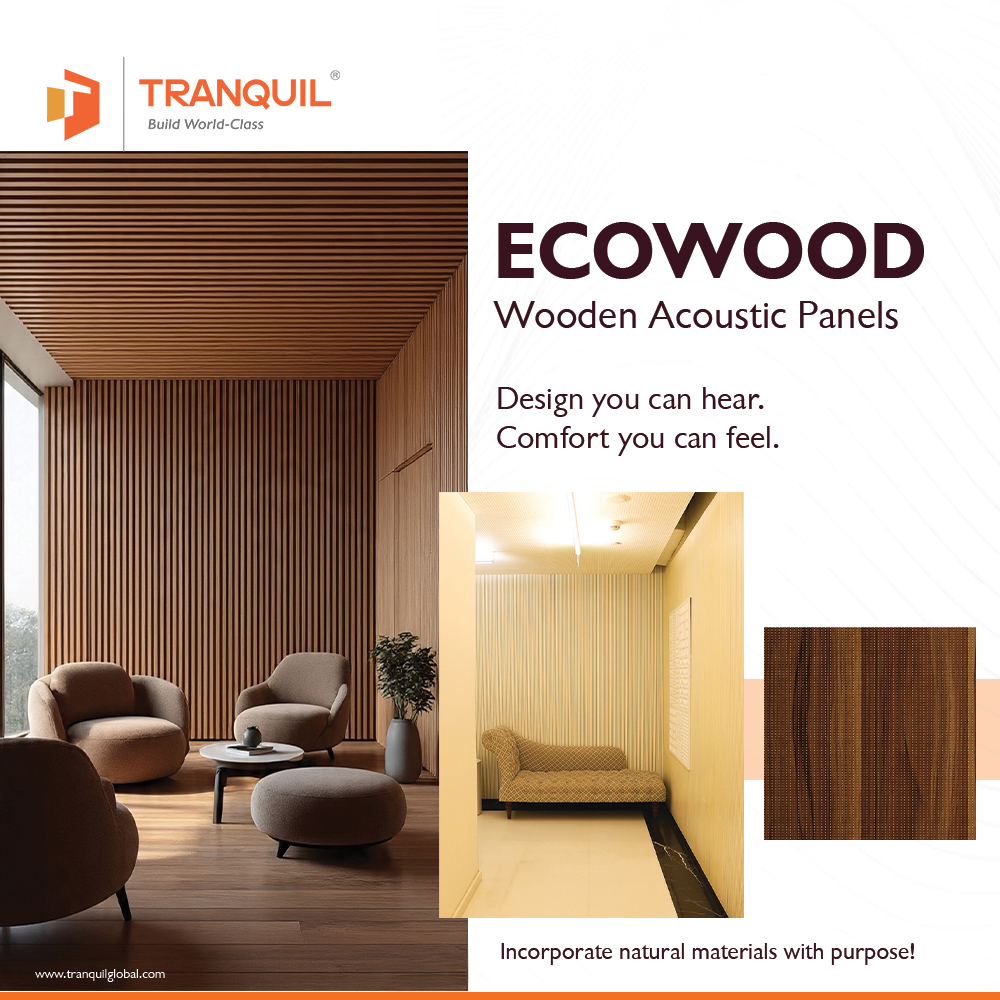
Wood has an undeniable emotional appeal. It brings warmth to modern spaces, softens acoustics, and supports wellness-driven interior design. This is why the Acoustic Wood Panel Wall has become a preferred solution in offices, hospitality spaces, homes, studios, and learning environments.
By combining natural wood aesthetics with sound absorption, wood acoustic paneling enhances both visual comfort and acoustic performance. However, once installed, many assume these panels are “set and forget” once installed. But in reality, acoustic timber panels are performance surfaces made from natural materials and like all natural materials, they require mindful care.
Without the right maintenance approach, even premium acoustic wood installations can experience reduced sound performance, visible wear, and a gradual loss of their original warmth. Understanding how to care for your Acoustic Wood Panel Wall ensures it continues to perform beautifully, both visually and acoustically, over time.
Why Care Matters for an Acoustic Wood Panel Wall?
An Acoustic Wood Panel Wall is designed to balance aesthetics, acoustics, and indoor comfort. Unlike painted walls or metal finishes, wood acoustic paneling interacts continuously with its environment.
When maintenance is overlooked, common issues begin to appear:
- Dust accumulation inside grooves, slats, or perforations, reducing sound absorption
- Moisture-related surface changes such as swelling or minor warping
- Dull or uneven finishes caused by improper cleaning
- Gradual decline in acoustic performance over time
On the other hand, regular and appropriate care protects the integrity of acoustic timber panels, extends their lifespan, and preserves the design intent of the space.
Understanding the Nature of Wood Acoustic Paneling
To maintain an Acoustic Wood Panel Wall effectively, it is important to understand how it is constructed and how it functions.
Most wood acoustic paneling systems consist of:
- Natural or engineered wood surfaces
- Slatted, grooved, perforated, or micro-perforated profiles
- Acoustic backing layers such as PET felt or fiberglass
These elements work together to allow sound waves to pass through the wooden surface and be absorbed behind it. Because wood is a natural material, it responds to changes in humidity, temperature, and air quality. This responsiveness contributes to comfort and wellness, but it also means that acoustic timber panels benefit greatly from controlled environments and gentle maintenance.
Everyday Threats to an Acoustic Wood Panel Wall
The biggest risks to wood acoustic paneling are rarely dramatic—they develop slowly through everyday exposure.
Dust is one of the most underestimated factors. Over time, airborne particles settle into the openings of an Acoustic Wood Panel Wall, blocking acoustic pathways and reducing sound absorption efficiency.
Moisture is another major concern, especially in regions with high humidity or in poorly ventilated spaces. Prolonged exposure can affect surface finishes and, in extreme cases, the dimensional stability of acoustic timber panels.
Improper cleaning methods often cause long-term damage. Excess water, harsh chemicals, or abrasive tools can permanently compromise both the wood surface and the acoustic backing.
Routine Cleaning: Simple Habits that Make a Big Difference
Regular cleaning is the foundation of maintaining an Acoustic Wood Panel Wall. The key principle is to keep the surface clean without disturbing its natural structure.
Recommended routine practices include:
- Dry dusting with a soft microfiber cloth
- Gentle vacuuming using a brush attachment for slatted or perforated panels
- Cleaning along the wood grain to protect the finish
For commercial spaces, light cleaning every one to two weeks is advisable due to higher dust circulation. Residential installations typically require monthly attention, while high-traffic areas may need more frequent care.
Consistency is far more effective than aggressive, infrequent cleaning.
Handling Stains and Surface Marks Correctly
Despite careful use, occasional stains or marks may appear on wood acoustic paneling. When this happens, restraint and precision are essential.
Best practices for spot cleaning include:
- Using a slightly damp (not wet) cloth
- Treating only the affected area
- Drying the surface immediately after cleaning
It is equally important to know what to avoid. Bleach, ammonia-based cleaners, steam cleaning, and abrasive scrubbers should never be used on an Acoustic Wood Panel Wall, as they can damage finishes and reduce acoustic effectiveness.
Managing Moisture for Long-Term Stability
Environmental control plays a significant role in maintaining acoustic timber panels. While many systems are engineered for durability, wood performs best in stable indoor conditions.
Ideally, indoor environments should maintain:
- Relative humidity between 40% and 60%
- Proper air circulation and ventilation
- Protection from direct water exposure or condensation
Balanced HVAC systems are especially important in offices, conference rooms, studios, and hospitality spaces where acoustic wood paneling is often used extensively.
Maintaining Acoustic Performance Over Time
The primary function of an Acoustic Wood Panel Wall is sound control, and this performance depends on clear acoustic pathways.
When grooves and perforations remain clean:
- Sound absorption remains consistent
- Echo and reverberation are effectively reduced
- Speech clarity and spatial comfort are maintained
If these openings become clogged with dust, the panels may still look attractive but function less effectively. Periodic inspection ensures that acoustic timber panels continue to deliver their intended performance.
Long-Term Care and Professional Refresh
Over years of use, particularly in commercial environments, wood acoustic paneling may show signs of natural aging. Slight fading or surface dryness does not necessarily mean replacement is required.
Indicators that professional maintenance may be beneficial include:
- Visible loss of surface richness
- Uneven coloration across panels
- Reduced acoustic performance despite regular cleaning
Professional refinishing or surface treatment can often restore the original appearance and extend the lifespan of the Acoustic Wood Panel Wall, making it a sustainable long-term solution.
Wellness, Sustainability, and Responsible Design
Caring for an Acoustic Wood Panel Wall goes beyond maintenance—it supports wellness-focused and sustainable design principles.
Well-maintained wood acoustic paneling:
- Reinforces biophilic design by keeping natural materials healthy
- Contributes to improved indoor comfort and focus
- Reduces the need for premature replacement
- Supports long-term environmental responsibility
In this context, maintenance becomes part of the design philosophy rather than an operational burden.
Conclusion
Design that Lasts Is Design that’s Cared for…
An Acoustic Wood Panel Wall is an investment in aesthetics, comfort, and performance. Its true value is realized not at installation, but over years of use through thoughtful care.
By maintaining wood acoustic paneling correctly through gentle cleaning, moisture control, and periodic inspection designers and building owners ensure that acoustic timber panels retain their warmth, beauty, and acoustic effectiveness.
Design may be installed once, but care is what allows it to endure.
Choose acoustic wood panel wall designed for longevity and maintain them with the same intent that shaped their design.