
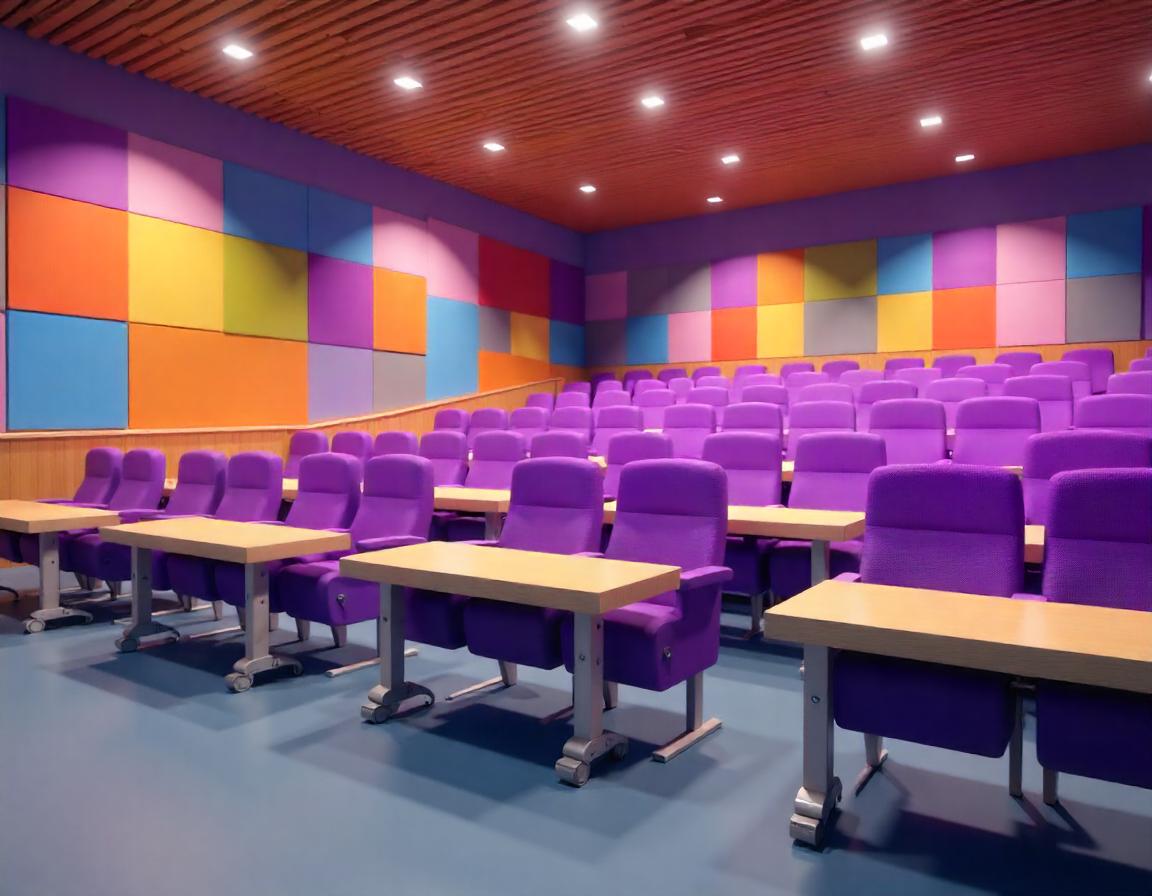
Imagine your home not just as a collection of rooms, but as a living system. When acoustics aren’t managed well, that system feels stressed—sounds bounce, echoes linger, and everyday noise slowly drains comfort and focus.
The good news? There’s a proven, scientifically backed solution that acts like an acoustic “reset” for your space: fiberglass sound insulation—one of the most effective acoustic materials for walls, ceilings, and enclosed interiors.
The Physics Behind Quiet Spaces
Many people assume sound control is only about thicker walls. In reality, sound is energy—and the key is managing how that energy behaves inside a space.
Fiberglass sound insulation works through two essential mechanisms:
1. Sound Absorption
The fine network of fiberglass strands creates friction that converts sound energy into minimal heat, reducing echo and reverberation.
2. Airspace Control
By filling cavities and voids, fiberglass limits the pathways sound waves use to travel between rooms.
Together, these properties make fiberglass a reliable solution for improving acoustic comfort without excessive structural changes.
Three Fiberglass Solutions That Make the Difference
1. Fiberglass Acoustic Panels – Targeted Sound Control
Fiberglass acoustic panels are designed to manage reflections and improve clarity where it matters most.
Common applications include:
-
Home theatres and media rooms
-
Recording and broadcast studios
-
Open-plan offices
-
Restaurants and hospitality spaces
Pro tip: Strategic placement—such as first reflection points on walls—often delivers better results than covering large areas randomly.
2. Fiberglass Suspended Ceiling Tiles – Overhead Noise Control
Ceilings are one of the most overlooked acoustic surfaces, yet they contribute significantly to sound reflection.
Key benefits:
-
Reduces noise from above (foot traffic, HVAC, plumbing)
-
Lowers reverberation time
-
Fits easily into existing ceiling grids
-
Often includes fire-rated and durable finishes
3. Core Fiberglass Insulation – The Invisible Foundation
Behind effective acoustic treatments lies proper cavity insulation. Fiberglass insulation inside walls and ceilings enhances overall sound reduction and supports surface treatments like panels and tiles.
The Cost of Quiet vs. the Cost of Noise
Uncontrolled noise impacts more than comfort. Studies consistently link it to:
-
Increased stress levels
-
Reduced productivity in workspaces
-
Poor sleep quality
When compared to short-term fixes or recurring discomfort, fiberglass sound insulation offers a long-term solution that can last decades. Seen this way, it’s not just a construction upgrade—it’s an investment in well-being.
Installation: Easier Than You Think
Modern fiberglass acoustic solutions are designed for flexibility.
For DIY-friendly spaces:
-
Panels with simple mounting systems
-
Ceiling tiles that fit standard grids
For professional installations:
-
Faster turnaround for complete rooms
-
Custom solutions for complex layouts
-
Integration with lighting and HVAC systems
Beyond Basic Sound Control
Today’s fiberglass acoustic solutions also support:
-
Design-friendly fabric finishes
-
Sustainable and recycled material options
-
Compatibility with modern interior aesthetics
A Simple Action Plan
-
Identify where noise affects comfort the most
-
Start with one room or application
-
Evaluate improvement and expand strategically
Final Thoughts
As spaces become busier and noisier, intentional acoustic control is no longer optional. Fiberglass acoustic panels, ceiling tiles, and insulation offer practical, proven ways to improve sound quality, comfort, and usability.
The real question isn’t whether fiberglass sound insulation is worth it—it’s how much better your space could feel once noise is no longer in control.
Looking to upgrade your acoustic environment? Contact Tranquil Global to explore fiberglass sound insulation solutions tailored to your space.