
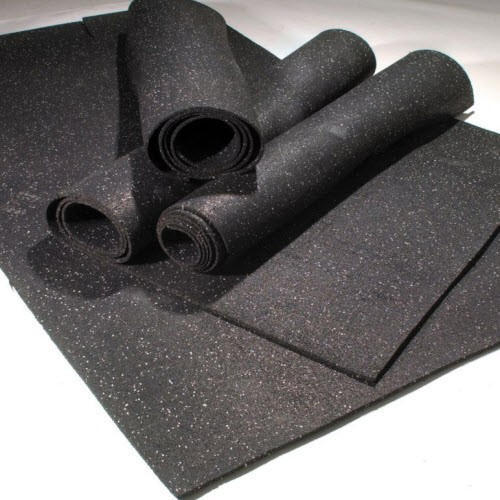
If you’ve ever invested in sound insulation sheets to create a quieter, more comfortable space including an office, studio, classroom, or home, you probably remember the immediate difference. Echo reduced. Noise softened. Focus improved.
But then, months or years later, something changes. Conversations start bleeding through walls again. Outside noise feels louder. The space just doesn’t sound the way it used to.
Here’s the uncomfortable truth: most people assume sound insulation sheets are a one-time, lifetime solution. They’re not. And the reason they “stop” working over time has very little to do with bad luck and everything to do with how acoustic sheet material behaves in real-world conditions.
Let’s uncover what’s really happening behind the walls, why soundproofing sheets lose effectiveness, and how you can prevent it from happening in your next project.
Common Myth about Sound Insulation Sheets
One of the biggest misconceptions in architectural acoustics is that sound insulation sheets are passive, unchanging materials. Once installed, people expect them to perform the same way forever.
In reality, acoustic sheet material is constantly interacting with its environment – air, humidity, temperature, vibration, and usage patterns. Over time, these interactions change the internal structure of the material, directly impacting how well it controls sound.
This doesn’t mean sound insulation fails overnight. It degrades quietly, gradually, and often invisibly until the problem becomes noticeable.
How Sound Insulation Sheets Actually Work
To understand why soundproofing sheets lose performance, we need to understand how they function in the first place.
Most sound insulation sheets work on a combination of three principles:
- Mass – Blocking sound transmission
- Damping – Reducing vibration energy
- Decoupling – Preventing sound waves from traveling through solid structures
High-quality acoustic sheet material is engineered to balance these principles. When new, the material’s density, flexibility, and internal bonding allow it to absorb, block, or dampen sound efficiently.
But these properties are not fixed forever.
The Hidden Culprit: Material Fatigue in Acoustic Sheet Material
The number one reason sound insulation sheets stop working over time is material fatigue.
What Is Material Fatigue?
The most common reason sound insulation sheets stop performing effectively is material fatigue, a gradual deterioration that happens with continuous use.
Material fatigue occurs when repeated vibrations, pressure variations, and sound waves slowly alter the internal structure of the material.
How It Affects Acoustic Sheets?
Over time, this stress leads to a loss of elasticity, compression of internal fibers or layers, and the formation of micro-cracks or stiffness in the damping layers.
As these changes set in, soundproofing sheets lose their ability to absorb and dampen sound efficiently, reducing their overall acoustic performance.
Vibration: The Silent Performance Killer
Sound is vibration. And every time sound hits your wall, ceiling, or partition, your sound insulation sheets are being stressed especially in high-activity environments.
Spaces most affected include: Open-plan offices, Music studios, Conference rooms, Auditoriums, Commercial buildings near traffic or machinery
Over time, continuous vibration causes acoustic sheet material to stiffen or compress. Once stiffness increases, absorption decreases and sound starts bouncing instead of being controlled.
This is why even premium acoustic sound panels can underperform if vibration stress isn’t properly addressed.
Moisture and Humidity: Invisible Enemy
Another overlooked factor is moisture.
Many sound insulation sheets, especially older or low-grade materials are sensitive to humidity. Even minor moisture absorption can lead to:
- Fiber collapse
- Reduced porosity
- Mold or microbial growth
- Permanent density changes
When acoustic sheet material absorbs moisture, it loses the tiny air pockets that help trap and dissipate sound energy. As a result, soundproofing sheets become harder and less effective.
This is particularly common in:
- Coastal regions
- Basements
- Poorly ventilated offices
- Buildings with HVAC condensation issues
Compression Over Time: When Thickness Disappears
Thickness matters in acoustics. Many sound insulation sheets rely on a specific thickness to perform correctly.
Over time, gravity, wall pressure, and installation stress can cause Permanent compression, Uneven density and Sagging inside wall cavities
When compression occurs, the acoustic sheet material no longer meets its designated Noise Reduction Coefficient (NRC) or Sound Transmission Class (STC) values.
In simple terms: thinner, compressed soundproofing sheets block less noise.
Poor Installation Accelerates Failure
Even the best sound insulation sheets can fail early if installation is flawed.
Common installation mistakes include:
- Over-tight fastening
- Gaps between sheets
- Direct contact with rigid surfaces
- Incorrect layering with acoustic sound panels
These errors create sound bridge paths where noise bypasses the acoustic sheet material entirely.
Over time, vibration worsens these bridges, making the insulation seem “worn out” when the real issue is structural.
Why Acoustic Sound Panels also Lose Effectiveness?
Many people confuse acoustic sound panels with sound insulation sheets, assuming they behave the same way. While their functions differ, panels also degrade over time.
Fabric-wrapped acoustic sound panels can:
- Accumulate dust and pollutants
- Lose surface tension
- Harden due to UV exposure
When surface absorption drops, the panel reflects more sound, reducing overall acoustic comfort.
This is why spaces that once sounded calm and controlled can gradually become louder, even though the panels are still physically intact.
The Design Flaw No One Talks About
Here’s a rarely discussed issue: many sound insulation sheets are designed for ideal lab conditions not real buildings.
In labs:
- Temperature is stable
- Humidity is controlled
- Vibrations are minimal
In real spaces?
- HVAC systems vibrate constantly
- Temperature fluctuates daily
- Usage patterns change
When acoustic sheet material isn’t designed for real-world stress, performance loss is inevitable.
How to make Soundproofing Sheets Last Longer
The good news? Performance loss is preventable if you plan for it.
- Choose High-Density, Resilient Materials: Not all soundproofing sheets are created equal. Look for materials designed to resist compression and vibration fatigue.
- Address Moisture at the Source: Use vapor barriers, proper ventilation, and moisture-resistant acoustic sheet material in humid zones.
- Combine Systems, Don’t Rely on One Layer: Layer sound insulation sheets with acoustic sound panels, resilient channels, or air gaps for long-term stability.
- Install with Decoupling in Mind: Avoid rigid connections that transmit vibration directly into the insulation.
- Plan for Lifecycle Performance: Ask manufacturers about long-term acoustic performance not just initial test results.
Signs your Sound Insulation Sheets are Failing
Watch for these red flags:
- Increase in echo or reverberation
- More noticeable outside noise
- Reduced speech privacy
- Vibrations felt through walls
If these appear, your sound insulation sheets may not be broken but they are likely fatigued.
Rethinking Acoustic Design for the Future
The future of acoustics is all about smarter systems, not just installing soundproofing sheets. Modern acoustic sheet material is evolving to include:
- Fiber-reinforced composites
- PET-based sustainable insulation
- Hybrid panels with damping cores
- Moisture-resistant acoustic layers
These innovations extend performance life and reduce long-term degradation.
Final Thoughts
If your sound insulation sheets seem to have stopped working, the issue isn’t mystery but it’s physics, environment, and time.
Sound is relentless. And unless acoustic sheet material is designed, installed, and maintained with long-term performance in mind, degradation is unavoidable.
The real secret isn’t replacing insulation more often—it’s choosing smarter soundproofing sheets, pairing them with the right acoustic sound panels, and designing for real-world conditions from day one.
Ready to Build Acoustics that Last?
If you’re planning a new project or upgrading an existing space… Contact us because now is the time to rethink how you use sound insulation sheets.