
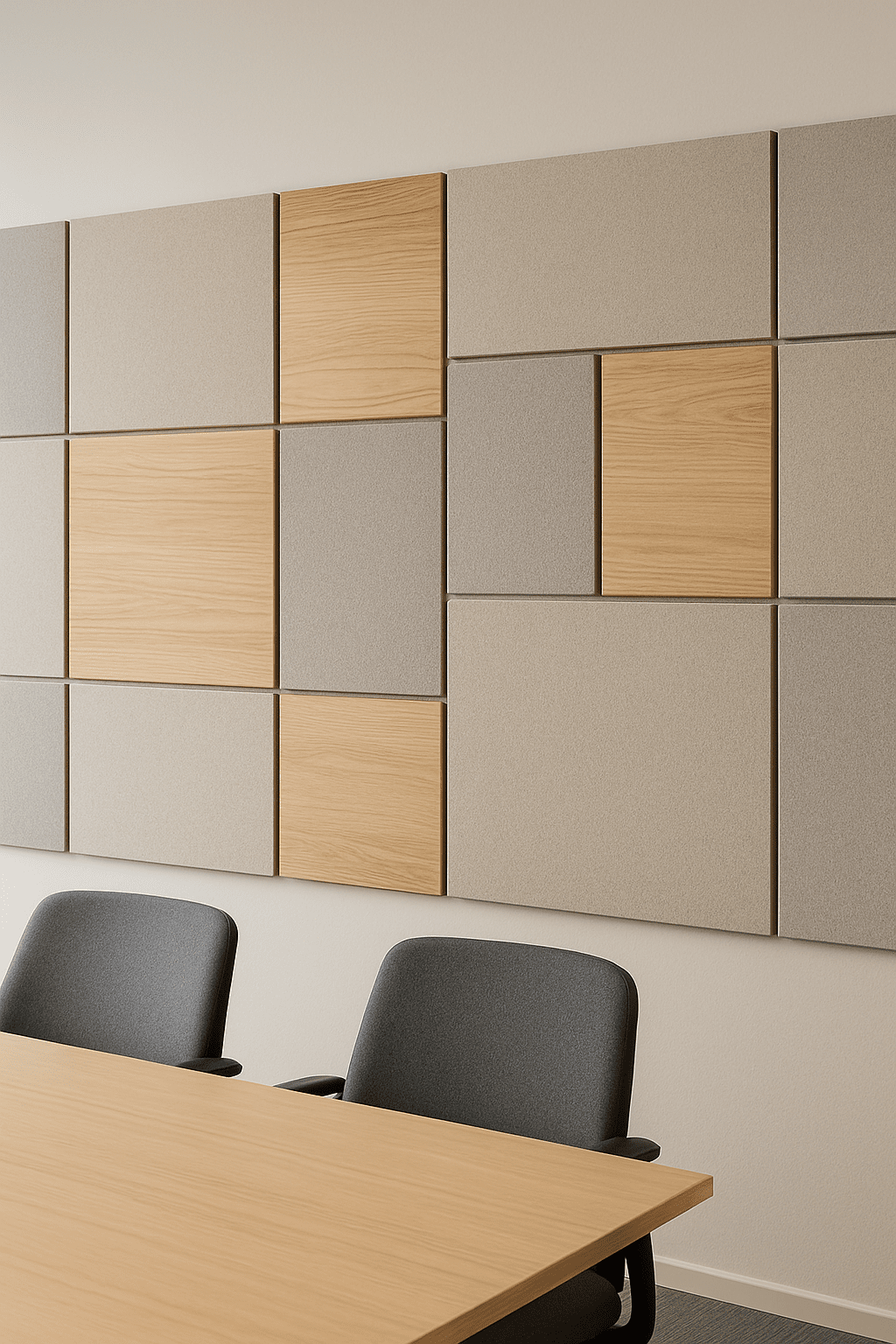
Designing a space that sounds as good as it looks is one of the smartest decisions a homeowner, architect, or interior designer can make today. In modern environments like workplaces, residences, cafés, schools, studios good sound quality is no longer a luxury; it’s an essential design element that shapes comfort, focus, and emotional experience. That’s where understanding the right acoustic material for wall applications becomes a game changer.
This guide serves as a complete beginner-friendly roadmap to sound-friendly design: what acoustic materials are, how they work, why they matter, how to choose the right acoustic treatment materials, and how designers can combine aesthetics with performance effortlessly.
What Exactly Acoustic Wall Materials are… Brief?
When people talk about acoustic material for wall installations, they’re usually referring to materials specifically engineered to absorb, diffuse, or block sound to improve how a room feels acoustically. These materials reduce unwanted reflections, echoes, and noise disturbances creating a smoother, more controlled sound environment.
Common forms of acoustic panel material include PET polyester sheets, fabric-wrapped panels, wooden grooved panels, fiberglass boards, foam absorbers, perforated timber, and hybrid composite materials. Each type serves a different acoustic purpose, but they all share one goal: improving sound quality without compromising design.
Simply put, acoustic materials help sound behave better indoors.
Why Designers Prioritize Acoustic Materials
1. Interior Comfort
Human comfort is multi-sensory. Even visually stunning interiors fall flat if speech feels unclear, meetings sound hollow, or noise keeps bouncing around. Acoustic treatment materials restore balance by controlling reverberation and creating a pleasant auditory atmosphere.
2. Enhanced Productivity
In workplaces, excess noise is one of the biggest productivity killers. Acoustic solutions help employees focus, reduce stress, and communicate better.
3. Privacy and Clarity
Whether it’s a meeting room, classroom, or a high-end restaurant, clarity of speech and speech privacy are essential. Walls treated with good acoustic panel material prevent sound leakage and improve communication.
4. Design Flexibility
Today’s acoustic materials come in customizable textures, patterns, and colors, allowing designers to achieve both visual character and sonic comfort. You no longer have to choose between aesthetics and performance.
5. Regulations & Wellness
Sustainable acoustic materials support green building standards, wellness certifications, and human-centric design approaches, an increasingly important requirement in architecture and interiors.
Most Popular Acoustic Materials you should Know
Here’s an essential introduction to the most widely used and beginner-friendly acoustic solutions:
1. PET Polyester Panels
PET panels have transformed the acoustic industry. They are lightweight, eco-friendly, available in printed, plain, carved, or grooved forms, and offer excellent absorption. Designers favor PET for its versatility and modern aesthetic.
2. Fabric-Wrapped Panels
These panels combine a rigid acoustic core with fabric upholstery. They’re ideal for offices, studios, classrooms, and auditoriums. You get premium looks along with highly effective sound absorption.
3. Wooden Acoustic Panels
Grooved or perforated wooden panels balance warmth with function. Wood diffuses sound naturally, making it suitable for hospitality, premium offices, and homes. These panels offer a timeless look with modern engineering.
4. Fiberglass & Mineral Wool Boards
These materials provide high absorption across frequencies. Usually placed behind fabric or perforated panels, they form the backbone of many acoustic systems.
5. Acoustic Foam Panels
Common in small studios and home setups, foam panels are affordable and easy to install. They are effective for mid to high frequencies but are less durable compared to advanced acoustic treatment materials.
How Acoustic Panels Actually Work Behind the Scenes
Sound travels in waves. When these waves hit hard surfaces like concrete, glass, or tiles, they bounce back and create echoes, noise buildup, and lack of clarity.
Acoustic panel material interrupts this pattern in three key ways:
1. Absorption
Soft, porous materials soak up sound waves reducing echoes and controlling reverberation.
2. Diffusion
Textured or patterned surfaces scatter sound waves in different directions for preventing hotspots and dead zones.
3. Insulation / Blocking
Dense materials restrict sound transmission between spaces while enhancing privacy and reducing noise leakage.
A well-designed acoustic plan uses a blend of these mechanisms to achieve a naturally comfortable soundscape.
Where Acoustic Material for Walls make the Biggest Impact
A designer can incorporate acoustic material for wall enhancements in a wide range of spaces:
- Open offices
- Conference rooms
- Classrooms and lecture halls
- Recording studios and edit suites
- Home theaters
- Restaurants and cafés
- Libraries
- Hotels and lounges
- Healthcare spaces
- Residential living rooms and bedrooms
In any environment where noise, echo, or speech clarity are concerns, acoustic materials are indispensable.
Design-Proven Practices for Using Acoustic Treatment
1. Start with an Acoustic Assessment
Before installing anything, identify the noise problems. Where is echo strongest? Which surfaces are causing reflections? Spend time analyzing the space.
2. Treat Large Reflective Surfaces First
Walls and ceilings are the biggest contributors to sound reflections. Prioritize these areas using appropriate acoustic panel material.
3. Balance Absorption and Diffusion
A room with only absorption feels “dead.” A mix of materials creates natural, pleasant acoustics.
4. Use Correct Thickness & Density
Different frequencies require different material thicknesses. Low frequencies need dense cores; mid-high frequencies need softer materials.
5. Maintain Uniform Distribution
Panels should be placed strategically not randomly to maintain visual and acoustic harmony.
6. Respect Design Aesthetics
Choose finishes, prints, textures, and forms that match your interior theme. Modern acoustic materials offer plenty of creative flexibility.
7. Plan for Sustainability
Opt for recyclable, formaldehyde-free, low-VOC acoustic treatment materials to support eco-friendly design goals.
8. Mix Functional & Decorative Panels
Combine solid absorbers with carved, perforated, or printed panels to create statement walls that also perform acoustically.
Actionable Steps for Designers: A Simple Guide
Step 1: Identify the Problem
Is the issue echo, noise transfer, or lack of speech clarity? Each requires a different material approach.
Step 2: Map Reflective Zones
Common problem zones include glass walls, empty rooms, and long corridors. Always map these visually before selecting materials.
Step 3: Choose the Right Acoustic Panel Material
For offices: PET or fabric panels
For premium spaces: wooden perforated panels
For studios: dense absorbers + diffusers
For classrooms: PET, fiberglass, or hybrid panels
Step 4: Blend Absorbers with Décor Elements
Think feature walls, geometric layouts, or printed acoustic art panels. This creates an architectural statement while controlling sound.
Step 5: Create a Layered Acoustic Strategy
Walls → Ceilings → Partitions
Layering ensures comprehensive coverage without overloading one area.
Step 6: Test After Installation
Walk through the space. Try clapping tests. Speak at different volumes. Fine-tune the design by adding or shifting panels if needed.
Step 7: Maintain Cleanliness
Most acoustic material for wall options, especially PET and wooden designs are low-maintenance. Use mild cleaners and avoid abrasive scrubbing.
Acoustic Material Myths Debunked that Hold Designers Back
Myth 1: They Make Rooms Look Unattractive
Today’s materials come in designer finishes, bold geometries, carved surfaces, and vibrant colors often acting as décor highlights.
Myth 2: Acoustic Panels Are Only for Studios
They’re essential anywhere noise or echo reduces comfort or clarity.
Myth 3: More Panels = Better Sound
Quality and placement matter more than quantity.
Myth 4: Acoustic Panels Block Sound Completely
Absorbing echoes is different from blocking noise transmission. Both require different acoustic treatment materials.
Final Takeaway
A well-designed acoustic environment enhances comfort, improves communication, and elevates the emotional experience of any interior. With modern acoustic panel material options whether PET, wood, fabric-wrapped, or hybrid composites, you can create beautiful walls that simultaneously improve sound quality.
Good acoustics are invisible yet deeply impactful. By understanding how acoustic material for wall solutions work and following best practices when selecting and installing them, designers can craft spaces that feel calm, intentional, and professionally curated.
When style meets sound performance, every space becomes more livable, more inspiring, and more human-centric.