
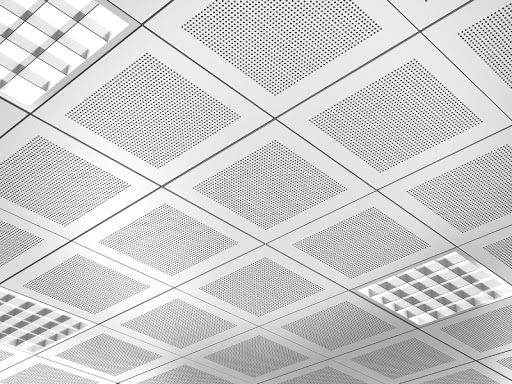
The world of interior design is evolving faster than ever and ceilings are finally getting the attention they deserve. Once a forgotten surface, the ceiling is now becoming a design playground where function meets art. Among all ceiling categories, metal ceiling tile systems are taking the spotlight with unmatched durability, aesthetics, and acoustic performance.
Whether you are an architect crafting commercial spaces or a designer planning modern interiors, understanding the latest trends in metal ceilings is essential. These trends aren’t just “nice to know” as they are shaping client expectations, material selections, sustainability goals, and the overall design direction of contemporary buildings.
Let’s explore the most influential metal ceiling tile trends that are redefining design thinking across sectors.
1. Rise of Performance-Driven Ceilings
Designers today are under more pressure to deliver high-performance spaces. Offices, schools, hospitals, and retail environments demand ceilings that do more than cover utilities. They must enhance acoustics, longevity, and space comfort.
This is why metal ceiling perforated systems are exploding in popularity.
Why this trend matters
- Perforations help control noise levels without compromising aesthetics.
- Metal surfaces reflect light better, improving brightness and reducing energy consumption.
- They are resistant to moisture, fire, and deformation which make them ideal for high-traffic zones.
Real-world analogy:
Think of metal ceilings as the “noise-cancelling headphones” of interior spaces blocking unnecessary disturbance while looking sleek.
2. Demand for Sustainable & Recyclable Materials
Sustainability is no longer a design choice; it’s a client expectation. With more projects striving for LEED, WELL, and IGBC certifications, designers are gravitating towards materials that reduce environmental impact.
How metal ceilings fit in
- Fully recyclable
- Low VOC and safe for indoor air quality
- Long life cycle with minimum maintenance
- Support energy efficiency through light reflectance
When compared to gypsum or mineral fiber systems, metal ceiling tile solutions stand out as greener, future-ready investments. Clients increasingly prefer materials that offer sustainability without sacrificing style and metal ceilings check every box.
3. Texture-Rich Perforation is the New Aesthetic Language
Designers are moving away from plain surfaces and embracing ceilings that contribute to the personality of the space. Unique perforation patterns like hexagonal, micro-perforations, large circular punches, and slotted designs are becoming design signatures.
Why perforated designs are gaining traction
- They offer depth and texture.
- Patterns can be customized to reflect branding or theme.
- They improve acoustic absorption.
Real-world analogy: Just like fashion designers use fabric detailing to elevate a garment, interior designers now use metal ceiling perforated patterns to add visual drama.
4. Bold Colors and Finishes take the Stage
Gone are the days when ceilings were expected to be white. Today, the palette has expanded to include copper, brass, champagne gold, matte black, brushed steel, wood-grain finishes, and even custom corporate colors.
Trending finishes
- Brushed metallics for minimalistic offices
- Matte black for industrial interiors
- Warm bronze and copper for high-end hospitality
- Timber-look metal ceilings for biophilic design
- Powder-coated colors for modern commercial spaces
Designers love metal ceiling tile options because they offer both durability and finish versatility that traditional ceilings cannot match.
5. Acoustic-Integrated Metal Ceilings for Hybrid Workspaces
Workspace design has changed dramatically post-pandemic. Open-plan spaces, collaborative zones, and phone booths demand strong acoustic solutions.
This is where metal ceiling perforated systems combined with acoustic infill materials are gaining prominence. They reduce reverberation and echo while maintaining a clean architectural look.
Acoustic advantages
- Ideal for open offices, conference rooms, call centers
- Reduces distractions and improves speech clarity
- Helps companies meet workplace wellness standards
Designers now integrate metal ceilings as a functional solution with decorative ones.
6. Modular & Flexible Installation Systems
With build cycles getting shorter, designers and project managers need materials that install quickly and efficiently. Modern metal ceiling tile systems come with modular features that simplify installation.
Why modular systems are trending
- Easy access to MEP services for maintenance
- Faster installation compared to many traditional ceiling materials
- Cleaner finishing with minimal disruption
- Ability to replace individual tiles without disturbing the entire grid
In fast-paced corporate fit-outs, flexibility is priceless and metal ceilings offer exactly that.
7. Curved and 3D Ceiling Forms
Architects are increasingly exploring sculptural ceilings to make interiors more dynamic. The shift from flat to fluid is evident across airports, hotels, auditoriums, and malls.
Emerging ceiling shapes
Curved panels | Wave designs | Tapered forms | 3D cluster elements | Floating metal clouds
These forms enhance visual interest and create memorable experiences. With metal, designers can achieve precise curves and complex geometries that are difficult with other materials.
8. Integration of Technology into Ceilings
Smart buildings rely heavily on seamless integration of sensors, HVAC, lighting, speakers, sprinklers, and more. Ceilings have become the prime surface for housing these technologies.
Metal ceilings allow clean integration thanks to:
- Custom punch-outs
- Hybrid layouts
- Easy access panels
- Durable structures that support fixtures
In modern corporate and institutional spaces, the ceiling becomes both a utility hub and a design feature.
9. Biophilic Inspirations within Metal Ceilings
Biophilic design isn’t limited to living walls or indoor plants. Designers now incorporate nature-inspired patterns and organic geometries into ceiling tiles.
This includes:
- Leaf-inspired perforations
- Tree bark textures
- Flowing wave patterns
- Warm wood tones on metal surfaces
Even though the base is metal, these finishes offer a natural aesthetic with the performance benefits of engineered materials.
10. Growth of Customized Ceiling Solutions
One-size-fits-all is dead. Today’s clients want ceilings that reflect their brand identity and spatial intent. Customization is becoming essential from perforation patterns to colors, tile shapes, and grid layouts.
Metal allows precise customization using:
CNC punching | Laser cutting | Powder coating | Edge and profile variations
For designers who seek creative freedom, metal ceiling tile systems offer endless possibilities.
11. Shift Toward Cleanability & Hygiene
Post-pandemic hygiene standards changed how materials are chosen. Metal ceilings offer unmatched cleanability that is ideal for healthcare, laboratories, kitchens, and transit spaces.
Advantages
- Non-porous and dust-resistant
- Easy to wipe or disinfect
- No sagging in humid environments
- Mold and bacteria-resistant
High-traffic facilities now widely specify metal ceiling systems due to their health and safety benefits.
12. Growing Use in Educational Institutions
Schools, universities, and auditoriums have unique acoustic and safety needs. Designers prefer metal ceiling perforated solutions here because they enhance sound clarity and are extremely durable.
Where metal ceilings work best in education
Lecture halls | Libraries | Corridors | Sports facilities | Canteens | Administrative offices
The long lifespan and low maintenance make metal ceilings an economical choice for large-scale institutional projects.
13. Ceilings as Brand Storytelling Surfaces
Modern interiors are focusing on storytelling because spaces need to express identity. Ceilings, being the largest continuous surfaces, have become a canvas for brand expression.
Examples
- Corporate logos subtly integrated into perforation patterns
- Colors inspired by brand palettes
- Ceiling shapes representing design philosophy
- Pattern themes reflecting culture or regional identity
Metal makes this creativity possible because it is easy to manipulate, cut, and finish.
Final Thoughts: Why Designers should Pay Attention?
Metal ceilings are the long-term shift in design thinking, not just a trend. As expectations around durability, acoustics, sustainability, aesthetics, and flexibility evolve, metal ceiling tile systems offer a comprehensive solution.
Whether you’re designing workspaces, airports, retail environments, educational institutions, or hospitality interiors, metal ceilings deliver both beauty and performance.
With the future pointing toward high-performance, tech-integrated, sustainable materials, these trends highlight one clear message:
Metal ceiling systems aren’t optional anymore… They’re essential.