
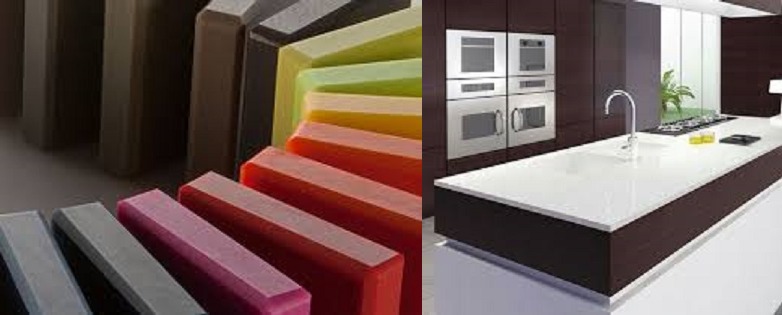
Countertops are the statement pieces of every space because they define style, dictate usability, and influence how a space feels and performs daily. Whether it’s a minimalist kitchen, a luxury vanity, or a commercial workspace, the surface you choose becomes the centerpiece of design and durability. Among the wide range of materials available, acrylic solid surface stands out as a modern favorite, blending visual elegance with unmatched versatility. It’s not just a countertop material; it’s a design revolution that allows creativity to flow seamlessly across form, function, and finish.
Let’s explore how this versatile material is transforming countertops across residential, commercial, and hospitality settings.
A Shift from Traditional to Modern Countertops
Granite, marble, and quartz have long dominated the countertop market. While each has its strengths, they often fall short in aspects such as repairability, hygiene, or design flexibility. Acrylic for countertops bridges this gap beautifully and it offers the appearance of stone with the added advantage of workability, non-porosity, and effortless upkeep.
The transformation begins with the way acrylic adapts to design demands. Unlike natural materials, acrylic solid surfaces can be seamlessly molded into various shapes and sizes without visible joints. This allows for smooth, continuous countertops that feel elegant and modern whether for a minimalist kitchen, a contemporary reception desk, or a clinical workspace where hygiene is critical.
What Makes Acrylic a Preferred Choice for Countertops?
Here’s what makes acrylic for countertops so widely appreciated across design segments:
1. Seamless Aesthetics:
No visible joints mean uninterrupted beauty. Countertops made from acrylic solid surfaces are joined using color-matched adhesives, which blend flawlessly. The result is a monolithic look which is perfect for long counters, islands, or wraparound designs.
2. Non-Porous and Hygienic:
Acrylic surfaces are inherently non-porous, which means no room for bacteria, stains, or moisture to seep in. This makes them ideal for kitchens, bathrooms, healthcare facilities, and laboratories where cleanliness is paramount.
3. Easy to Fabricate and Repair:
Designers and contractors love acrylic for its flexibility. It can be cut, shaped, thermoformed, and even repaired on-site if scratched or chipped. Unlike stone or quartz, which often need replacement for damage, acrylic surfaces can be sanded back to perfection.
4. Endless Design Possibilities:
Acrylic comes in a wide range of colors, patterns, and finishes including solid, veined, translucent, and textured options are all available. It can even be backlit for dramatic visual effects, allowing creativity to flourish in both residential and commercial projects.
5. Long-Term Cost Efficiency:
While some may initially hesitate about the acrylic solid surface sheet price, the long-term benefits outweigh the cost. With lower maintenance, better durability, and the ability to renew the surface, it becomes a smart, sustainable investment over time.
The Craftsmanship Behind Acrylic Solid Surfaces
The transformative power of acrylic solid surfaces lies not only in their composition but also in how they’re crafted. Made from a blend of acrylic resin, natural minerals, and pigments, these sheets are engineered for performance and consistency. The resulting product is solid, uniform, and repairable offering the best of both natural and synthetic worlds.
Fabricators can achieve precision cuts, invisible joints, and complex curves which are difficult with stone or laminate. The smooth finish and seamless joins also make it easier to clean and maintain, reducing the need for harsh chemicals or sealants.
If you’re working on a project that demands modern design combined with durability, contact us if any requirement is there for detailed samples or fabrication support.
Comparing Acrylic Countertops with Natural Stone
When comparing acrylic solid surfaces with natural stone for countertops, several distinctions highlight why acrylic often stands out as a modern and versatile choice.
- Porosity: Unlike natural stone, which is inherently porous and requires regular sealing to prevent stains or moisture absorption, acrylic is completely non-porous, ensuring a smooth, waterproof, and hygienic surface.
- Maintenance: Acrylic surfaces are known for their easy maintenance. A simple wipe keeps them clean, while natural stones demand more effort, periodic sealing and special cleaning agents to maintain their appearance.
- Joints: One of the key advantages of acrylic is its seamless finish. The joints are almost invisible, creating a sleek and continuous look. In contrast, natural stone installations have visible grout lines that can collect dirt over time.
- Repairability: Acrylic countertops scratches, chips, or stains can be sanded or buffed out easily for repairing. However, natural stones are difficult and expensive to repair, often requiring replacement of entire sections.
- Design Flexibility: Acrylic offers remarkable design freedom, as it can be molded, curved, or thermoformed into unique shapes and profiles. Natural stone, being rigid, has limited shaping options.
- Hygiene: The non-porous structure of acrylic prevents bacteria or mold buildup, making it ideal for kitchens and healthcare spaces where hygiene is crucial. Natural stone, by comparison, provides only moderate resistance to bacteria unless regularly sealed.
- Cost: The acrylic solid surface sheet price generally falls in a moderate range, offering value for money with style and practicality. Natural stone costs vary widely depending on rarity and origin, and can become quite expensive.
Overall, the comparison clearly shows that acrylic for countertops delivers a balance of beauty, functionality, and durability that makes them perfect for those seeking a hygienic, low-maintenance, and contemporary surface.
Real Design Impact: Where Acrylic Surfaces Shine
From luxury homes to high-traffic commercial environments, the application of acrylic surfaces is extensive. Here are some examples of where acrylic for countertops truly makes a difference:
1. Residential Kitchens:
Homeowners love the sleek appeal of acrylic countertops. The smooth, joint-free finish complements both modern and classic kitchen designs while offering stain resistance and easy cleaning essential for everyday cooking spaces.
2. Hospitality and Retail:
Hotels, cafés, and retail counters benefit from the design freedom acrylic offers. Its translucent variants can be backlit to create visual drama in reception desks, bars, or service counters.
3. Healthcare and Laboratories:
For environments demanding the highest hygiene standards, non-porous acrylic solid surfaces eliminate concerns about contamination. They withstand frequent cleaning and chemical exposure, ensuring long-term safety and performance.
4. Corporate and Institutional Interiors:
Reception areas, pantry counters, and collaborative spaces in offices require durability and aesthetic appeal. Acrylic fits seamlessly into such spaces, giving them a professional yet inviting look.
Factors Influencing Acrylic Solid Surface Sheet Price
Understanding acrylic solid surface sheet price helps in making an informed selection for projects. The price generally depends on:
- Thickness: Sheets usually range from 6mm to 12mm, with thicker sheets costing more due to higher material usage.
- Brand and Origin: International brands often command a premium, while local alternatives may offer similar quality at competitive pricing.
- Color and Design: Custom shades or patterns may add to the cost, but they provide exclusivity and design value.
- Fabrication Complexity: Curves, joints, and integrated features like sinks or backsplashes increase fabrication effort and cost.
Despite the varying acrylic solid surface sheet price, the overall value proposition remains strong due to minimal upkeep, long life, and superior design flexibility.
If you are planning a renovation, design upgrade, or new project installation, contact us if any requirement is there. We can help you choose the right material and finish for your specific application.
Maintenance Simplicity
Unlike porous surfaces that require regular sealing or polishing, acrylic surfaces only need mild cleaning with soap and water. Any scratches or dull spots can be easily buffed out, restoring the original look without professional intervention. This low-maintenance nature makes acrylic for countertops an ideal choice for those who prefer both aesthetics and practicality.
Adopt Renewal Sustainability
Acrylic’s sustainability lies in its renewability. Over time, instead of discarding a worn-out countertop, it can be refinished to look brand new. This reduces waste and supports eco-conscious building practices with a growing priority across the design industry.
Furthermore, the longevity and adaptability of acrylic solid surfaces minimize the need for frequent replacements, further reducing the environmental impact of renovation cycles.
Seamlessness allows Future-Forward Designs with Acrylic
The appeal of acrylic solid surfaces is about future-readiness beyond current trends. Its adaptability allows designers to integrate lighting, color, and form in innovative ways. From curved reception desks to seamless kitchen islands, the possibilities are almost limitless.
With technology advancing, manufacturers continue to enhance color stability, UV resistance, and thermal performance, ensuring these surfaces stand the test of time in both functionality and beauty.
So, acrylic for countertops gives you the freedom to create without compromise whether you’re an architect, interior designer, builder, or homeowner.
Conclusion
The journey of acrylic solid surfaces from being an alternative to natural stone to becoming a design standard has been driven by innovation, functionality, and aesthetics. They redefine what countertops can be seamless, stylish, hygienic, and easy to maintain.
Their ability to combine performance with design creativity makes them ideal for diverse spaces including residential kitchens, commercial counters, or healthcare settings. While acrylic solid surface sheet price may vary depending on specifications and brand, the long-term benefits in durability, hygiene, and elegance make it a sound investment.
If you are looking for versatile surface solutions that elevate your design and ensure performance, contact us if you have any requirements. Our experts can guide you with product options, finishes, and fabrication support for your next project.