
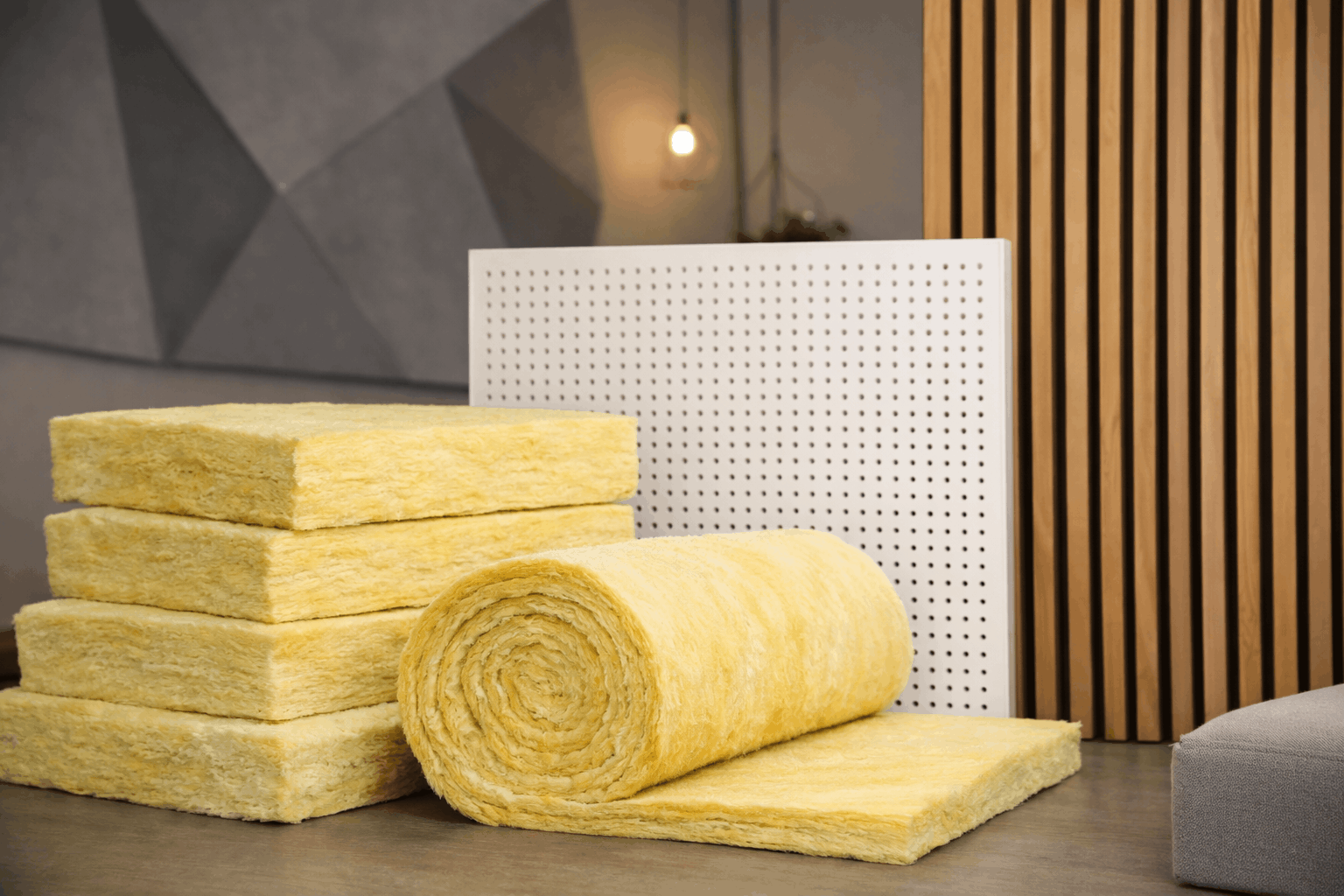
Modern architecture no longer treats acoustics as an afterthought. Today’s spaces from collaborative workplaces to hospitality environments and high-performance institutional interiors demand harmony between sound control, aesthetics, and material efficiency. This is where fiberglass sound insulation has emerged as a transformative solution.
Designers and specifiers increasingly prefer fiberglass acoustic panel systems and fiberglass sound absorbing panels because they seamlessly integrate performance with creative freedom. Whether applied as walls, ceilings, or suspended features, fiberglass suspended ceiling tiles are redefining how interiors manage noise while enhancing visual identity.
This article explores how fiberglass-based acoustic solutions bridge function, design, and acoustic science while offering a practical roadmap for architects, builders, and interior designers seeking performance-driven materials.
Why Fiberglass Sound Insulation Matters in Contemporary Spaces
Noise is one of the most underestimated factors affecting comfort and productivity. In offices, uncontrolled reverberation reduces speech clarity. In hospitality venues, sound spill compromises ambience. In educational environments, poor acoustics directly impact learning outcomes.
Fiberglass sound insulation addresses these challenges by absorbing sound energy rather than reflecting it. The micro-fibrous structure traps sound waves across a wide frequency range, significantly reducing echo and reverberation.
Key acoustic advantages include:
- High Noise Reduction Coefficient (NRC) performance
- Broad-band absorption across speech frequencies
- Consistent acoustic behavior over time
- Lightweight yet structurally stable composition
Because of these properties, fiberglass sound absorbing panels deliver predictable acoustic performance in diverse interior conditions.
The Science Behind Fiberglass Acoustic Panels
At the core of every fiberglass acoustic panel lies compressed glass fiber engineered into a porous matrix. When sound waves enter this structure, friction between air molecules and fibers converts acoustic energy into heat, thereby reducing reflected sound.
This mechanism makes fiberglass one of the most efficient absorptive materials available for architectural acoustics. Unlike foam or mineral alternatives, fiberglass sound insulation maintains performance even at thinner thicknesses, enabling sleek panel designs and lightweight ceiling applications.
Performance Factors That Enhance Fiberglass Acoustics
Several variables influence how effectively fiberglass sound absorbing panels perform:
- Density: Higher density improves low-frequency absorption
- Thickness: Increased depth enhances overall NRC
- Surface finish: Fabric or perforated facings tune absorption
- Mounting system: Air gaps behind panels improve efficiency
Because these parameters can be engineered precisely, fiberglass acoustic panel systems offer predictable, customizable acoustic outcomes.
When Design Meets Acoustics: Aesthetic Flexibility of Fiberglass Panels
One of the defining advantages of fiberglass sound insulation is its design adaptability. Traditional acoustic materials often forced compromises in appearance. Fiberglass changes that narrative by enabling architects to treat acoustics as a visual feature rather than a hidden layer.
Design Possibilities with Fiberglass Acoustic Panels
Modern fiberglass acoustic panel solutions support:
- Custom shapes and parametric forms
- Seamless wall integrations
- Sculpted ceiling clouds and baffles
- Printed graphics and textures
- Color-matched interior palettes
This versatility allows fiberglass sound absorbing panels to become part of architectural storytelling whether in corporate branding walls or experiential hospitality ceilings.
Fiberglass Suspended Ceiling Tiles: Acoustic Performance Above
Ceilings are among the largest uninterrupted surfaces in interiors, making them critical acoustic zones. Fiberglass suspended ceiling tiles provide an efficient way to control reverberation while maintaining access to services and lighting integration.
Unlike traditional gypsum or mineral ceilings that mainly reflect sound, fiberglass suspended ceiling tiles absorb airborne noise directly at the ceiling plane. This improves speech intelligibility and reduces overall noise buildup.
Benefits of Fiberglass Suspended Ceiling Tiles
- High NRC in modular grid systems
- Lightweight for easy installation
- Compatible with HVAC and lighting modules
- Dimensional stability in humid environments
- Cleanable and durable finishes
For open-plan offices, healthcare corridors, classrooms, and retail environments, fiberglass sound insulation integrated into ceilings significantly enhances acoustic comfort.
Applications Where Fiberglass Sound Insulation Excels
Because of its performance-to-weight ratio and aesthetic flexibility, fiberglass sound insulation is used across diverse sectors.
Workspaces and Corporate Offices
Open offices benefit from fiberglass acoustic panel walls and ceiling baffles that control speech noise and improve concentration. Meeting rooms use fiberglass sound absorbing panels to ensure clarity and privacy.
Hospitality and Retail
Restaurants and hotels rely on fiberglass sound insulation to maintain ambience without excessive background noise. Sculptural fiberglass suspended ceiling tiles can define zones while absorbing sound.
Education and Institutions
Classrooms, lecture halls, and libraries require high speech intelligibility. Fiberglass acoustic panel systems reduce reverberation and improve comprehension.
Healthcare
Hospitals demand quiet environments for recovery and communication. Fiberglass sound absorbing panels minimize noise transmission across corridors and patient rooms.
Public and Cultural Spaces
Auditoriums, galleries, and transit hubs integrate fiberglass sound insulation into architectural features for balanced acoustics and visual impact.
Sustainability and Longevity of Fiberglass Acoustic Solutions
Beyond acoustics and aesthetics, fiberglass sound insulation supports sustainable design goals. Many modern fiberglass panels incorporate recycled glass content and low-VOC binders, aligning with green building certifications.
Environmental Benefits
- Recycled material composition
- Long service life with minimal degradation
- Lightweight transport reduces carbon footprint
- Reusable or demountable systems
- Low maintenance requirements
Because fiberglass acoustic panel products retain performance over decades, they reduce replacement cycles and lifecycle costs.
Installation and Integration Advantages
Another reason architects favor fiberglass sound insulation is its ease of integration into construction workflows. Panels can be installed on walls, ceilings, or suspended systems with minimal structural load.
Fiberglass suspended ceiling tiles fit standard grid frameworks, enabling fast installation and access to utilities. Meanwhile, fiberglass sound absorbing panels can be directly mounted or framed as design elements.
Practical Benefits for Builders and Contractors
- Lightweight handling
- Reduced installation time
- Compatibility with modular systems
- Custom fabrication options
- Easy replacement or reconfiguration
These advantages make fiberglass acoustic panel solutions cost-efficient throughout project delivery.
Acoustic Performance Compared to Alternative Materials
When evaluating acoustic materials, fiberglass sound insulation stands out for its balanced performance across efficiency, flexibility, durability, and weight. Compared to common alternatives, fiberglass acoustic panel systems offer several distinct advantages:
- Higher acoustic efficiency than foam: While foam provides moderate absorption, fiberglass sound absorbing panels deliver broader frequency control and higher NRC values.
- Greater design flexibility than mineral fiber: Mineral fiber ceilings are typically limited in form and finish, whereas fiberglass acoustic panel solutions support custom shapes, colors, and seamless integrations.
- Lighter than wood acoustic systems: Perforated wood panels offer good acoustics but add structural load. Fiberglass suspended ceiling tiles achieve similar or better absorption at a fraction of the weight.
- More durable than foam materials: Foam can degrade or discolor over time, while fiberglass sound insulation maintains structural integrity and acoustic performance for decades.
- Balanced performance profile: Combining high absorption, low weight, and aesthetic adaptability, fiberglass sound absorbing panels provide one of the most efficient overall acoustic solutions available.
Emerging Trends in Fiberglass Acoustic Design
As acoustic awareness grows, fiberglass sound insulation is evolving from functional material to architectural medium.
Key Trends
- Parametric Acoustic Forms
Complex geometries created from fiberglass acoustic panel modules provide both diffusion and absorption.
- Integrated Lighting and Acoustics
Suspended features combining luminaires and fiberglass sound absorbing panels create multi-functional ceilings.
- Branding and Wayfinding
Printed or colored fiberglass suspended ceiling tiles reinforce identity in corporate and retail spaces.
- Hybrid Wall-Ceiling Systems
Continuous fiberglass sound insulation surfaces blur boundaries between planes.
These innovations position fiberglass as a central material in experiential interior design.
Choosing the Right Fiberglass Acoustic Panel System
Selecting the appropriate fiberglass acoustic panel depends on acoustic goals, spatial constraints, and aesthetic intent.
Considerations for Specification
- Required NRC performance
- Panel thickness and density
- Surface fabric or finish
- Fire rating compliance
- Mounting method
- Maintenance requirements
For ceilings, fiberglass suspended ceiling tiles should match grid size, load capacity, and service integration needs. For walls, fiberglass sound absorbing panels can be tailored to decorative or performance priorities.
Storytelling through Fiberglass Acoustics
Consider a modern workplace renovation where employees struggled with noise distraction. Instead of adding conventional acoustic boards, designers installed sculpted fiberglass sound absorbing panels across collaboration zones and introduced floating fiberglass suspended ceiling tiles above workstations.
The result was more than acoustic improvement. The panels formed visual rhythm across the ceiling, reinforcing brand colors and spatial hierarchy. Employees reported clearer conversations and reduced fatigue demonstrating how fiberglass sound insulation can transform both experience and identity.
This shift from hidden acoustic treatment to visible design element captures the essence of fiberglass in contemporary architecture.
The Future of Fiberglass Sound Insulation
As architecture moves toward human-centric and sensory-aware environments, fiberglass sound insulation will continue gaining importance. Future developments may include:
- Adaptive acoustic surfaces
- Smart integrated ceiling systems
- Bio-based fiberglass binders
- Advanced digital fabrication forms
- Acoustic-thermal hybrid panels
These innovations will further strengthen the role of fiberglass acoustic panel technologies in sustainable and experiential interiors.
Conclusion
Function, Design, and Acoustics in Harmony
Fiberglass sound insulation has evolved far beyond conventional acoustic treatment. Today’s fiberglass acoustic panel systems and fiberglass sound absorbing panels integrate seamlessly into architecture enhancing comfort, clarity, and visual expression.
From sculptural wall features to modular fiberglass suspended ceiling tiles, fiberglass offers a rare combination of performance, flexibility, and sustainability. It empowers architects and designers to treat acoustics not as compromise but as creative opportunity.
As buildings increasingly prioritize wellbeing and sensory experience, fiberglass stands out as a material that unites function, design, and acoustics into one cohesive solution.
Reach Out to us…
If you are designing or delivering spaces that demand both acoustic performance and aesthetic impact, explore advanced fiberglass sound insulation systems tailored to your project. From custom fiberglass acoustic panel walls to high-performance fiberglass suspended ceiling tiles, the right solution can elevate both sound comfort and spatial identity.
Connect with acoustic solution specialists to evaluate your space, optimize reverberation control, and integrate fiberglass sound absorbing panels that align with your design vision and performance goals.