
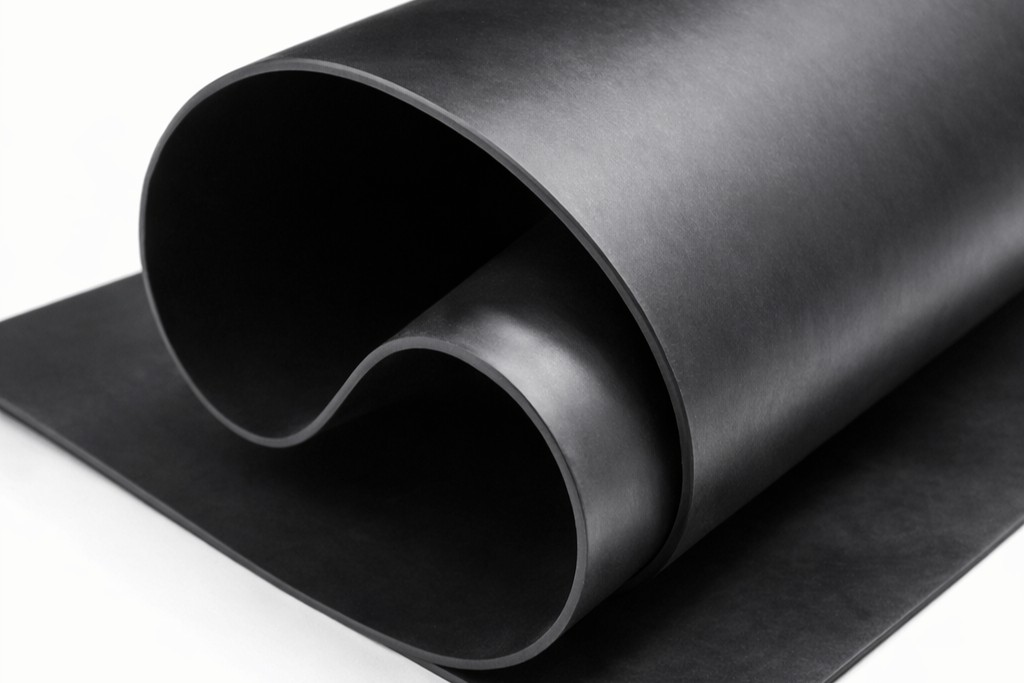
Sound shapes how we experience space. Whether it’s the hush of a private office, the calm of a hotel room, or the clarity of a meeting environment, controlling noise has become essential in modern architecture and interiors. As buildings grow denser and functions overlap, the demand for effective sound proofing solutions is accelerating.
Yet, despite rising awareness, many projects still struggle with one fundamental gap: understanding performance metrics and choosing the right materials. That’s where next-generation soundproofing sheets and sound proofing panels are redefining expectations. The future of acoustic control is no longer about adding thickness blindly, it’s about measurable performance, intelligent layering, and design integration.
This article explores how sound proofing is evolving, what key metrics really mean, and how emerging materials are reshaping acoustic strategies for architects, contractors, and developers.
Why Sound Proofing Matters More Than Ever
Urban environments are louder than ever. Mixed-use developments combine residential, retail, hospitality, and workspaces in one footprint. Open-plan layouts prioritize collaboration but often sacrifice privacy. Mechanical systems, traffic, and human activity all contribute to background noise.
Without proper sound proofing, these conditions create stress, reduce productivity, and degrade user experience. Research consistently shows that excessive noise impacts concentration, sleep quality, and well-being. As a result, acoustic comfort is moving from a “nice-to-have” to a core design parameter just like lighting or thermal comfort.
Modern projects therefore demand soundproofing sheets within partitions, floors, and ceilings, combined with visible sound proofing panels that enhance interior aesthetics while controlling reflections. The shift is clear: acoustic performance must be engineered, measured, and validated.
The Science Behind Sound Proofing: Key Metrics Explained
To understand the future of sound proofing, we first need clarity on how performance is measured. Acoustic metrics translate physical material properties into real-world outcomes.
STC (Sound Transmission Class)
STC measures how effectively a wall or assembly blocks airborne sound such as speech or music. Higher STC ratings indicate better sound isolation.
Traditional construction might rely on mass alone to improve STC. However, modern soundproofing sheets use dense yet flexible layers that add isolation without excessive thickness. When integrated into drywall or partitions, these sheets significantly enhance STC performance while maintaining design efficiency.
NRC (Noise Reduction Coefficient)
While STC addresses sound passing through walls, NRC measures sound absorption within a room. Materials with higher NRC reduce echoes and reverberation.
This is where sound proofing panels excel. Wall panels, ceiling baffles, and suspended clouds absorb reflected sound, improving clarity and comfort. The combination of isolation (STC) and absorption (NRC) creates balanced acoustic environments.
IIC (Impact Insulation Class)
In multi-story buildings, impact noise from footsteps or moving furniture travels through floors. IIC measures how well a floor assembly reduces this transmission.
Advanced soundproofing sheets installed beneath flooring or within slab systems are increasingly used to address impact noise especially in residential and hospitality projects.
The Evolution of Soundproofing Sheets
Early sound proofing approaches relied heavily on thick masonry or multiple board layers. While effective, these methods increased structural load and reduced usable space. Today’s soundproofing sheets represent a major technological leap.
High-Density Flexible Barriers
Modern sheets use mass-loaded polymers or composite layers that combine density with flexibility. This allows them to block sound energy efficiently while adapting to irregular surfaces.
Unlike rigid boards, these sheets maintain performance even when applied to lightweight partitions making them ideal for retrofit or modular construction.
Thin Yet High-Performance Assemblies
One of the most significant advances is achieving high isolation with minimal thickness. Architects can now specify soundproofing sheets that deliver substantial STC improvement without compromising room dimensions.
This is particularly valuable in urban residential towers, where every millimeter of space counts.
Integration with Multi-Layer Systems
Future sound proofing is not about a single material but layered assemblies. Sheets are paired with insulation cores, resilient channels, and finish panels to create optimized acoustic barriers.
The result is predictable performance backed by laboratory testing rather than guesswork.
The Design Transformation of Sound Proofing Panels
Acoustic control was once hidden behind walls or ceilings. Today, sound proofing panels are visible architectural features that combine performance with aesthetics.
Acoustic Panels as Design Elements
Contemporary panels come in textiles, wood finishes, perforated metal, and sculpted geometries. They contribute to visual identity while managing reverberation.
In offices, panels define collaboration zones. In hospitality, they shape ambience. In auditoriums, they tune acoustic responses. The material palette continues to expand, allowing acoustic solutions to merge seamlessly with interior design.
Custom Geometry for Targeted Absorption
Emerging manufacturing techniques enable panels with parametric patterns, grooves, or relief forms. These shapes increase surface area and diffusion, improving acoustic performance beyond flat surfaces.
Such innovations make sound proofing panels more effective across wider frequency ranges especially for speech clarity in workplaces and educational spaces.
Modular and Sustainable Solutions
Future panels are also modular and recyclable. Lightweight systems allow easy installation and replacement, while recycled fibers and low-VOC finishes support sustainability goals.
This alignment with green building standards is accelerating adoption across commercial and institutional sectors.
Bridging Isolation and Absorption: A Holistic Approach
A common misconception is that sound proofing requires only blocking sound. In reality, successful acoustic design combines isolation and absorption.
For example, a meeting room may use soundproofing sheets within partitions to prevent sound leakage while installing sound proofing panels on walls to reduce internal echoes. Without absorption, speech remains unclear even if sound does not escape.
The future lies in integrated acoustic strategies where materials are selected based on performance metrics rather than appearance alone. Designers increasingly evaluate STC, NRC, and IIC together to create balanced environments.
Technology and Testing: The New Standard in Sound Proofing
Advances in acoustic modeling and testing are transforming how materials are specified. Computer simulations predict sound transmission paths and reverberation patterns before construction begins.
Manufacturers now provide laboratory-verified data for soundproofing sheets and sound proofing panels, enabling evidence-based decisions. Certification and testing standards ensure that installed systems meet target performance levels.
This shift toward measurable outcomes is redefining expectations across the building industry. Clients no longer accept vague claims as they expect quantified acoustic comfort.
Applications Driving the Future of Sound Proofing
The demand for advanced sound proofing solutions spans multiple sectors, each with unique challenges.
- Residential and Mixed-Use Buildings
Urban housing requires strong sound isolation between units and floors. Thin soundproofing sheets allow developers to achieve higher STC and IIC ratings without increasing wall thickness, preserving saleable area.
- Workspaces and Corporate Offices
Open offices demand controlled reverberation and speech privacy. Sound proofing panels in ceilings and partitions create focused zones while maintaining collaborative openness.
- Hospitality and Healthcare
Guest comfort and patient recovery depend heavily on quiet environments. Combining soundproofing sheets in walls with absorptive panels in rooms ensures restful interiors despite external noise.
- Educational and Cultural Spaces
Classrooms and auditoriums require clarity and controlled reflections. Sculpted sound proofing panels and high-performance isolation layers support speech intelligibility and acoustic balance.
The Unique Shift: Sound Proofing as Spatial Experience
Perhaps the most transformative change is conceptual. Sound proofing is moving beyond technical compliance into experiential design.
Architects now shape how spaces sound, not just how they look. Acoustic comfort influences mood, productivity, and perception of quality. A quiet hotel room feels luxurious. A calm office feels focused. A clear classroom feels engaging.
In this context, soundproofing sheets and sound proofing panels become tools for crafting atmosphere. Materials are selected not only for decibel reduction but for how they enhance human experience.
Sustainability and the Future of Acoustic Materials
Environmental responsibility is also guiding the evolution of sound proofing. Manufacturers are developing sheets with recycled content and panels made from renewable fibers. Low-emission binders and finishes reduce indoor air pollutants.
As green certifications increasingly include acoustic criteria, projects must balance environmental and performance goals. Future soundproofing sheets will likely combine high density with recyclable polymers, while sound proofing panels will adopt biodegradable or circular material systems.
The convergence of acoustics and sustainability will define the next generation of building materials.
Choosing the Right Sound Proofing Strategy
Selecting effective solutions requires understanding both metrics and context. No single product solves all acoustic challenges.
Isolation demands soundproofing sheets within assemblies. Reverberation control requires sound proofing panels on surfaces. Impact noise calls for specialized underlayments.
The most successful projects integrate these layers early in design rather than treating acoustics as an afterthought. Collaboration between architects, acoustic consultants, and manufacturers ensures that materials and metrics align with spatial goals.
Conclusion
Sound proofing is entering a new era defined by measurable performance, material innovation, and design integration. Metrics such as STC, NRC, and IIC are no longer technical jargon as they are essential tools guiding material selection and spatial quality.
Advanced soundproofing sheets enable high isolation without bulk, while expressive sound proofing panels transform interiors into acoustically tuned environments. Together, they create spaces that are quieter, clearer, and more comfortable.
As buildings become denser and expectations rise, acoustic comfort will increasingly define perceived quality. Projects that embrace data-driven sound proofing strategies will deliver superior user experience and long-term value.
Ready to elevate acoustic performance in your next project?
Explore advanced soundproofing sheets and sound proofing panels engineered for measurable results and design flexibility because the future of sound proofing isn’t just about blocking noise, it’s about shaping how spaces feel and function.