
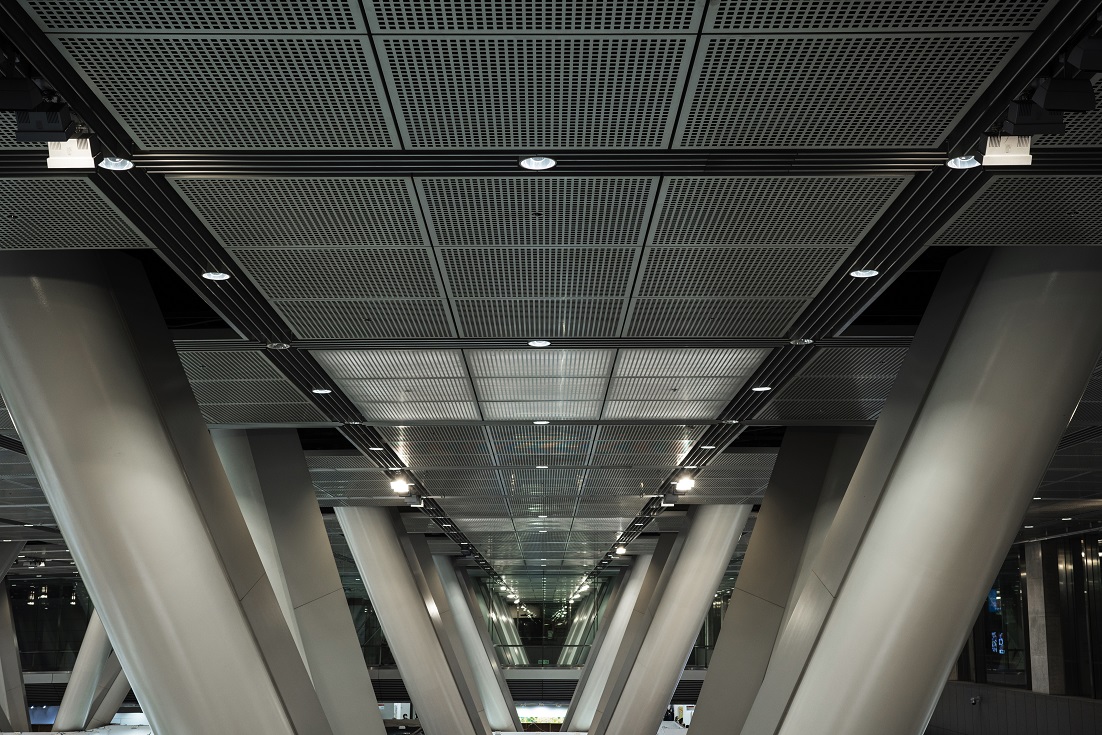
The ceiling is often called the “fifth wall” of a space. It silently defines the mood, acoustics, and visual harmony of interiors. When it comes to durability, design flexibility, and performance, metal ceilings have become a preferred choice for architects and designers across commercial, institutional, and even residential projects. But with multiple material types, perforation options, finishes, and installation systems available, choosing the right ceiling type requires both design intent and technical understanding.
This guide helps designers make informed choices while specifying metal ceiling perforated systems or other variants for their upcoming projects.
Understanding the Essence of Metal Ceilings
Metal ceilings go far beyond mere surface aesthetics. They are engineered architectural systems that integrate design with performance. Whether one opts for a perforated metal ceiling or a plain one, each type delivers a unique blend of acoustic control, visual refinement, and longevity.
Why designers prefer metal ceilings:
- Durability: Resistant to moisture, sagging, and wear over time.
- Design versatility: Available in various patterns, modules, finishes, and installation styles.
- Ease of maintenance: Easy to clean, replace, or reconfigure.
- Sustainability: Aluminium and steel ceilings are recyclable, supporting green building goals.
- Integration-friendly: Compatible with HVAC, lighting, fire systems, and other ceiling services.
Before finalizing the ceiling system, it’s essential to align the ceiling’s functionality with the space’s purpose.
Key Material Considerations
When designers choose metal ceilings, the base material determines both performance and cost-effectiveness.
- Aluminium Ceilings
Aluminium remains the most popular material due to its lightweight and corrosion-resistant nature. An aluminium false ceiling offers design flexibility with smooth finishes, minimal structural load, and easy handling during installation. It’s also suitable for humid environments such as airports, hospitals, and washrooms. - Steel Ceilings
Galvanized or powder-coated steel ceilings are chosen where high strength and rigidity are needed. They are ideal for spaces requiring impact resistance or where a bold, industrial aesthetic is preferred. - Other Metals
Specialty projects sometimes call for copper, brass, or stainless-steel finishes to create statement ceilings. While more expensive, they deliver unmatched aesthetic appeal and durability for premium interiors.
If you’re working on a project that demands a balance of form and function, contact us to discuss the most suitable metal ceiling options for your design intent.
Perforation: Aesthetic and Acoustic Impact
One of the defining aspects of modern metal ceilings is perforation. A metal ceiling perforated with precision patterns serves both functional and aesthetic purposes. The size, shape, and arrangement of perforations can completely change how a ceiling looks and sounds.
Why perforation matters:
- Acoustics: A perforated metal ceiling allows sound to pass through small holes and get absorbed by the acoustic backing material (such as fleece or mineral wool). This helps reduce reverberation and improves sound quality in large spaces.
- Visual texture: Perforations introduce rhythm and depth, adding visual softness to the otherwise rigid metal surface.
- Ventilation & lighting: Certain perforation patterns improve airflow and lighting diffusion, enhancing comfort and energy efficiency.
Common perforation patterns include:
- Round holes (uniform or staggered layout)
- Square or rectangular perforations
- Custom geometric or floral designs for architectural uniqueness
Designers often experiment with varying open-area ratios and perforation sizes to create dynamic surfaces that interact beautifully with lighting and acoustics.
Finish and Color Selection
The finish of a metal ceiling defines its character. Powder coating, anodizing, or pre-painted finishes are commonly used to protect the metal and enhance aesthetics.
Key finish options:
- Powder-coated: Durable and available in a wide range of RAL shades and gloss levels.
- Anodized aluminium: Offers a premium metallic sheen and excellent corrosion resistance.
- Wood-grain or metallic laminate: Provides warmth or reflective depth depending on design intent.
While white remains the timeless favorite for its ability to amplify light and openness, designers increasingly explore darker tones and metallic shades like bronze, champagne, or copper for a more dramatic ceiling statement.
Modular Systems and Ceiling Configurations
Metal ceilings come in multiple forms depending on the design layout and installation requirements. The following configurations can influence the spatial experience and technical integration:
- Lay-in and Lay-on Tiles
Easy to install and remove, these tile systems are ideal for offices and healthcare environments where maintenance access is frequent. - Clip-in Systems
They provide a sleek, monolithic look without visible grid lines. Perfect for spaces demanding a premium, continuous appearance such as corporate boardrooms or luxury retail stores. - Linear Baffle or Open Cell Ceilings
For designers seeking openness and depth, linear baffles create rhythmic patterns and aid in acoustic dispersion. Open-cell ceilings, on the other hand, bring a sculptural identity while concealing services efficiently. - Custom Curved or 3D Forms
Advanced metal-forming technology allows creation of curves, waves, or complex geometries giving designers complete freedom to translate artistic ideas into functional realities.
If you’re unsure which system suits your project best, contact us to explore customized ceiling solutions that align with your aesthetic and performance requirements.
Integrating Functionality with Design
While metal ceilings are visually strong, their technical features make them stand out in performance. Designers can integrate lighting, air-conditioning diffusers, sprinklers, and sensors seamlessly without disrupting ceiling uniformity.
Moreover, combining perforated metal ceiling panels with acoustic backing can achieve impressive NRC (Noise Reduction Coefficient) values without compromising design intent. Such integration enhances user comfort, especially in open offices, educational institutions, and hospitality spaces.
In areas with high humidity or maintenance challenges, opting for an aluminium false ceiling ensures long-lasting performance and minimal degradation over time.
Maintenance and Longevity
A major advantage of metal ceilings lies in their easy maintenance. They resist sagging, cracking, and discoloration issues that commonly affect gypsum or mineral-fiber ceilings. Periodic cleaning using mild detergents keeps the surfaces fresh and reflective.
For high-traffic or industrial zones, the ceiling’s modularity allows easy replacement of damaged panels without disturbing adjacent ones, reducing downtime and costs.
Sustainability in Design
Sustainability is an integral part of responsible design practice. Metal ceilings contribute significantly by being recyclable, reusable, and compatible with green building standards. Aluminium ceilings, in particular, have a low carbon footprint and can be repurposed without losing material quality.
Designers working on LEED or IGBC-rated projects can rely on metal ceiling perforated systems to achieve both performance efficiency and environmental compliance.
Choosing the Right Partner
The process of specifying and installing the correct ceiling system involves collaboration between the designer, manufacturer, and installer. Choose a reliable partner who offers:
- Technical consultation and mock-up support
- Customization in perforation, module size, and finish
- Compliance with international quality and fire safety standards
- On-site installation guidance
This partnership ensures that design intent translates seamlessly from drawing to reality.
Final Thoughts
A ceiling is no longer just a covering; it’s an architectural expression that influences both function and emotion. Whether you’re designing a modern corporate office, a serene healthcare facility, or an innovative institutional space, a thoughtfully chosen perforated metal ceiling or aluminium false ceiling can define its atmosphere with sophistication and performance.
To explore a wide range of customizable ceiling solutions, contact us today. Our experts can help you select, design, and implement the perfect ceiling system that meets both your aesthetic and functional goals.