
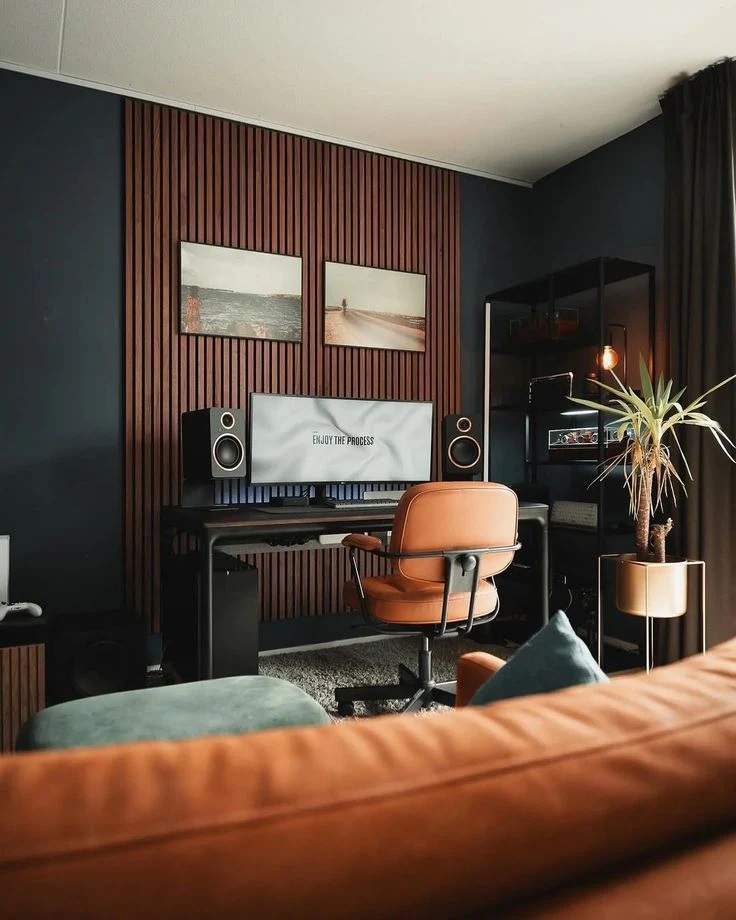
Many people try to fix sound problems in a room by adding sofas, curtains, rugs, or bookshelves. While furniture can slightly soften a space, it cannot solve the real acoustic problems that make rooms sound echoey, muddy, or uncomfortable. Acoustic sound panels exist for one reason: to control sound in ways furniture never can.
Understanding the difference can completely change how your space sounds.
1. Furniture Softens Sound — Panels Control It
Furniture absorbs sound accidentally. A couch may soak up some high-frequency noise, and curtains might reduce a bit of echo, but none of it is intentional or consistent.
Acoustic sound panels are engineered to:
-
Absorb sound at specific frequencies
-
Reduce reflections at precise locations
-
Control how long sound stays in a room (reverberation time)
Furniture reacts randomly. Panels work by design.
2. Acoustic Panels Fix Echo at the Source
Echo happens when sound waves bounce between hard, parallel surfaces like walls and ceilings. Furniture placed on the floor does little to stop these reflections because the problem exists at ear level and above.
Acoustic panels are placed at:
-
First reflection points on walls
-
Behind speakers or sound sources
-
On ceilings where sound bounces directly back
This targeted placement removes flutter echo and harsh reflections that furniture simply cannot reach.
3. Furniture Cannot Control Low Frequencies (Bass)
Low-frequency sound waves are long and powerful. They build up in corners and along room boundaries, creating boomy or muddy sound.
-
Rugs and sofas do nothing for bass buildup
-
Bookshelves scatter sound but don’t absorb it
-
Curtains only affect high frequencies
Acoustic panels—especially corner bass traps—are designed with the thickness and density required to absorb low frequencies and stabilize bass response.
4. Acoustic Panels Improve Speech Clarity
Ever notice how voices sound clear in some rooms and exhausting in others? Poor acoustics cause overlapping reflections that smear speech.
Acoustic panels:
-
Reduce reflected sound energy
-
Improve speech intelligibility
-
Make conversations, calls, and dialogue easier to hear
Furniture can’t align reflections or shorten reverberation time in a measurable way. Panels can.
5. Panels Solve Problems Furniture Creates
Ironically, furniture can sometimes make sound worse by:
-
Absorbing only high frequencies
-
Leaving low frequencies uncontrolled
-
Creating an unbalanced, dull-yet-boomy room
Acoustic panels are balanced tools. When properly selected and placed, they create clarity without deadening a room.
Good acoustics are about control, not silence.
6. Acoustic Panels Are Predictable and Measurable
One of the biggest differences is consistency.
Furniture results vary wildly from room to room. Acoustic panels are tested, rated, and designed to deliver predictable performance. Their effectiveness can be measured in reduced reverberation time, improved clarity, and smoother frequency response.
This makes panels reliable solutions rather than guesswork.
7. Modern Panels Don’t Compromise Design
Acoustic treatment is no longer limited to ugly foam tiles. Today’s panels come in:
-
Fabric-wrapped finishes
-
Custom colors and shapes
-
Printed designs and artwork
-
Architectural patterns
They enhance a space visually while improving sound—something furniture alone cannot accomplish acoustically.
The Bottom Line
Furniture can make a room feel comfortable, but it cannot fix sound problems. Acoustic sound panels address echo, reflection, bass buildup, and clarity at a level furniture never will.
Whether you’re improving a home office, living room, studio, or commercial space, acoustic panels offer controlled, intentional sound treatment that transforms how a room sounds and feels.
If sound quality matters, furniture is a supplement. Acoustic panels are the solution.