
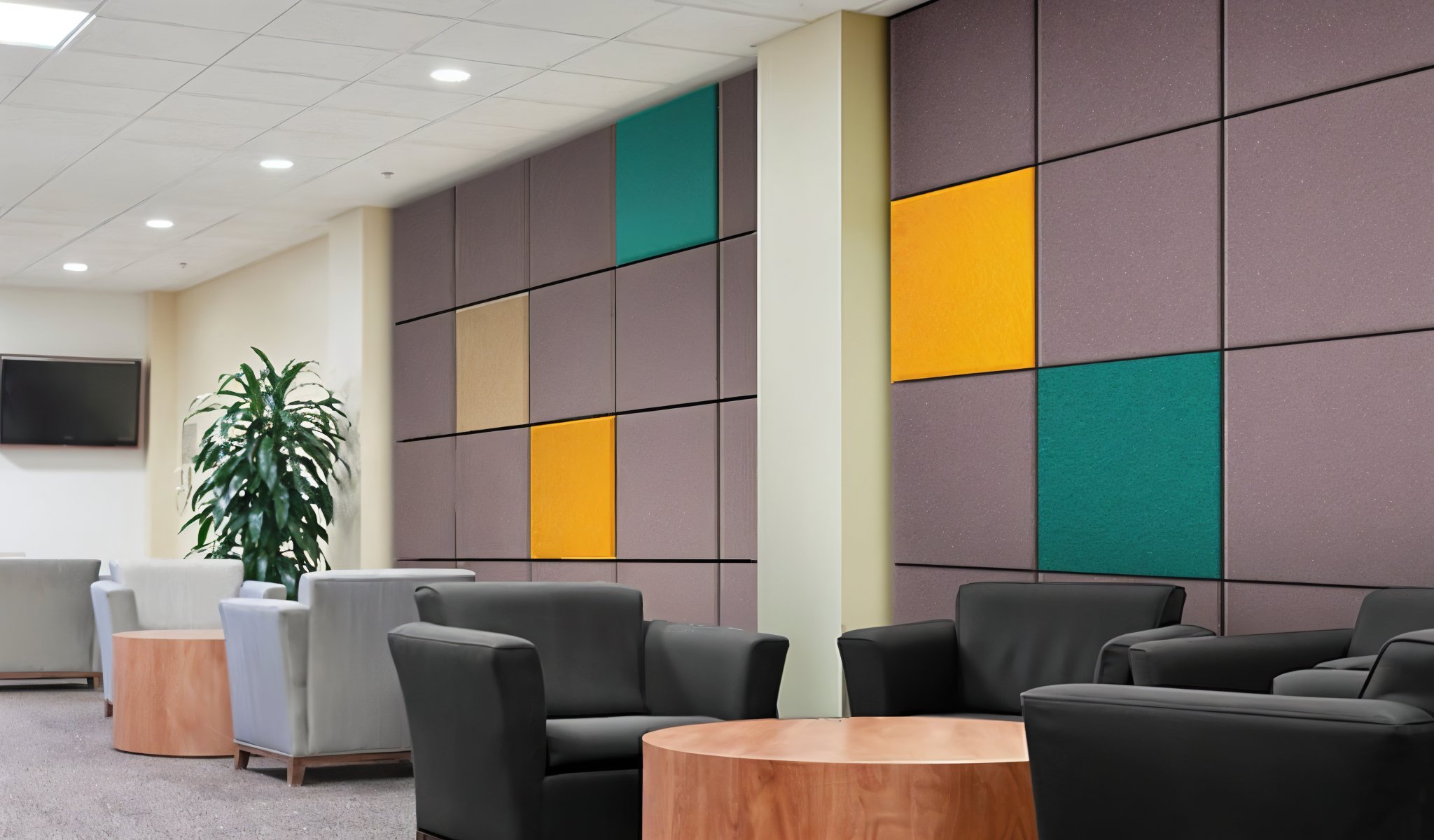
When planning a renovation, you’re not just repainting walls or refreshing furniture—you’re shaping how the space feels and functions. One of the biggest influencers of comfort today is sound. From homes to offices to classrooms, the right acoustic environment improves focus, reduces stress, and enhances communication. This is why many renovators and decision makers ask:
Should I install acoustic board panels on the walls or acoustic ceiling panels overhead?
Both options target unwanted echoes and reverberation, but they work differently, deliver different outcomes, and suit different types of spaces. Understanding these distinctions helps you invest wisely and achieve the acoustic comfort you’re truly aiming for.
Why Acoustics Deserve a Place in Your Renovation Plan
Hard surfaces like tiles, glass, metal, concrete that reflect noise sharply and create discomfort. Renovation is the perfect time to treat the space before these problems settle in again.
Good acoustic planning creates:
- Clearer speech
- Better privacy
- Reduced noise fatigue
- Higher productivity
- A calmer ambience
And the most effective upgrades are usually acoustic board panels and acoustic ceiling panels.
How Each Solution Works and What It Improves
Acoustic Board Panels (Wall Panels)
These are installed on vertical surfaces where sound reflections hit at ear level. Since most dialogue, collaboration, and day-to-day activity happens between 3–6 ft height, wall-mounted acoustic board panels strike directly at the primary reflection zones. They improve clarity, reduce harsh flutter echoes, and add visual depth to interiors, making them ideal when both performance and design matter.
Acoustic Ceiling Panels
Ceilings are the largest uninterrupted reflective surface in most rooms. When sound hits them, it spreads across the space and increases overall loudness. Acoustic ceiling panels absorb this upper-level reverberation, stabilizing the entire room’s sound profile. They are especially effective in large, open, or high-volume spaces where noise control needs to be uniform.
Purpose-Based Comparison: Deciding through Real Intent, Not Specs
Instead of comparing features, the best way to choose is by understanding the purpose of each solution.
If your goal is clearer conversations → Acoustic Board Panels
Acoustic board panels absorb reflections at speech level, making discussions more comfortable. They’re ideal for offices, cabins, study rooms, counseling areas, and meeting setups where clarity matters more than broad noise reduction.
If your goal is lowering overall noise → Acoustic Ceiling Panels
Acoustic ceiling panels reduce long, lingering reverb that can make large rooms sound chaotic. They quieten open-plan offices, libraries, classrooms, restaurants, and public areas where noise spreads in every direction.
If your goal is a decorative upgrade with function → Acoustic Board Panels
Acoustic board panels come in textures, patterns, prints, and artistic designs that elevate interiors while absorbing sound.
If your goal is wide coverage without affecting walls → Acoustic Ceiling Panels
Ceilings handle large-area acoustic control without consuming wall space, making them cost-effective for big rooms.
Scenario-Based Guide: Which Space Needs What?
- Executive Cabin or Private Office: Sound issues come from walls, not ceilings.
Best Fit: Acoustic board panels for sharper dialogue and better privacy. - Co-working Floors or Large Open Offices: Noise comes from all sides and builds up overhead.
Best Fit: Acoustic ceiling panels for smooth, uniform sound across the floor. - Cafés, Lounges, Boutique Restaurants: Ambience is as important as noise reduction.
Best Fit: Wall panels near seating areas, with ceiling panels added only if space is large. - School Classrooms and Training Halls: Instructors need their voice to travel cleanly.
Best Fit: Acoustic ceiling panels for balanced speech distribution. - Home Theatres or Media Rooms: Reflections bounce between walls, affecting audio precision.
Best Fit: Acoustic board panels, especially behind and beside the seating zone. - Auditoriums or Multi-purpose Halls: These are large spaces where echo becomes a major issue.
Best Fit: Acoustic ceiling panels as the primary treatment.
Strengths and Drawbacks Explained Simply
Acoustic Board Panels
They’re excellent for speech clarity and aesthetics, with the power to transform smaller or medium rooms instantly. Their limitation is coverage—if the room is very large, wall treatment alone won’t control reverberation.
Acoustic Ceiling Panels
They efficiently reduce overall noise in wide or open areas and improve comfort for groups. Their downside is design flexibility: most ceiling treatments are more functional than decorative.
Choosing Wisely: A Quick 3-Question Framework
Ask yourself:
- Is my space small or medium?
→ Go for wall panels. - Is noise bouncing everywhere because of openness?
→ Ceiling panels are essential. - Do I want the acoustic solution to be a visible design element?
→ Choose wall-mounted acoustic board panels.
If your room demands both clarity and coverage, combining both solutions is the smartest investment.
Value-Led Recommendations for Different Renovation Goals
- Modern Offices: Start with ceiling panels; refine important rooms using wall panels.
- Educational Spaces: Ceiling panels first for consistent learning acoustics.
- Homes: Wall panels provide immediate improvement with minimal changes.
- Hospitality Spaces: Wall panels create a warm, controlled ambience; ceiling panels used only for larger layouts.
- Creative Studios: Wall panels are essential for sound precision; ceiling additions only if required.
Final Summary
Renovation is the ideal moment to upgrade acoustics and eliminate issues that affect clarity, comfort, and productivity. Deciding between acoustic board panels and acoustic ceiling panels depends on the size of the space, the type of noise challenge, and the experience you want to create.
Wall-mounted acoustic board panels are the best choice when speech clarity, design aesthetics, or focused sound treatment is needed. Acoustic ceiling panels are the right investment when the aim is to control overall reverberation and reduce room-wide noise levels, especially in open or large spaces.
The smartest renovations often blend both—ceiling panels for wide coverage and board panels for clarity where people interact. With the right acoustic strategy, your space becomes more functional, more peaceful, and more enjoyable for everyone who uses it.